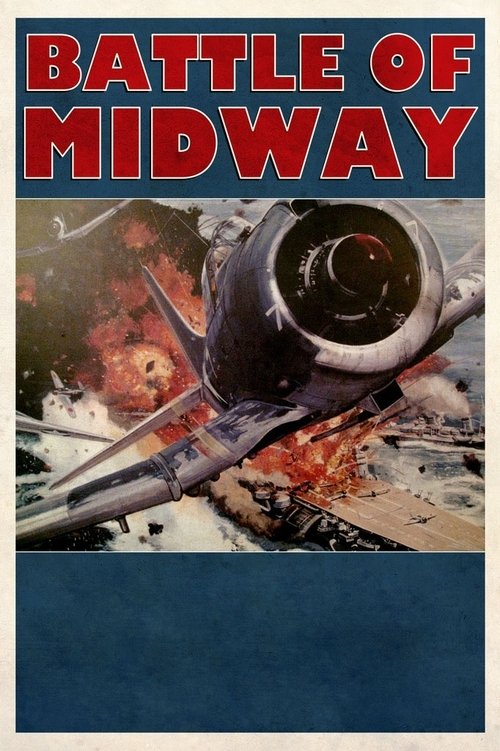
The Battle of Midway
1942
No user ratings available yet
Representation score: 0.2 out of 10

Representation Score
Minimal
1942
Director
Stuart Legg
Runtime
22 minutes
Average Rating
No ratings yetNew Showbiz Analysis
This 1942 wartime newsreel prioritizes geopolitical mobilization over character-driven storytelling. It serves as a propaganda tool to align public sentiment with the Allied cause during the Second Sino-Japanese War. The film successfully highlights the Chinese experience and provides visibility to non-Western subjects within a global conflict. However, this representation is limited by the era's focus on strategic importance rather than individualized ethnic or cultural depth. Ultimately, the work is constrained by traditional hierarchies. It lacks the complexity needed to address modern standards of gender, LGBTQ+, or disability representation, focusing instead on collective national struggle.
Category Breakdown
The film does not depict any queer narratives or non-straight relationships. It focuses solely on the military and nationalistic mobilization of 1942.
The narrative is dominated by masculine military and political structures. Women appear as civilians or victims but do not have the power to drive the geopolitical plot or hold leadership positions.
The film highlights Chinese populations resisting Japanese occupation. However, its perspective is filtered through a Western documentary lens focused on Allied strategic interests.
The content centers on wartime patriotism and anti-aggression. It supports the Western-aligned geopolitical order of the time without delving into deeper cultural nuances or critiquing Western institutions.
There is no representation of disability or neurodivergence. Physical injuries are shown only as consequences of war violence, without any nuanced or individual ability to act.
Present on Screen
Limited or Absent
Official Synopsis
This wartime newsreel from 1942 documents the efforts of China to deal with Japanese aggression.
1942
1946
1941

1943
1943
1943
1940
1942
No reviews yet. Be the first to share your thoughts on this movie!
Use the rating form above to leave a star rating and optional review.