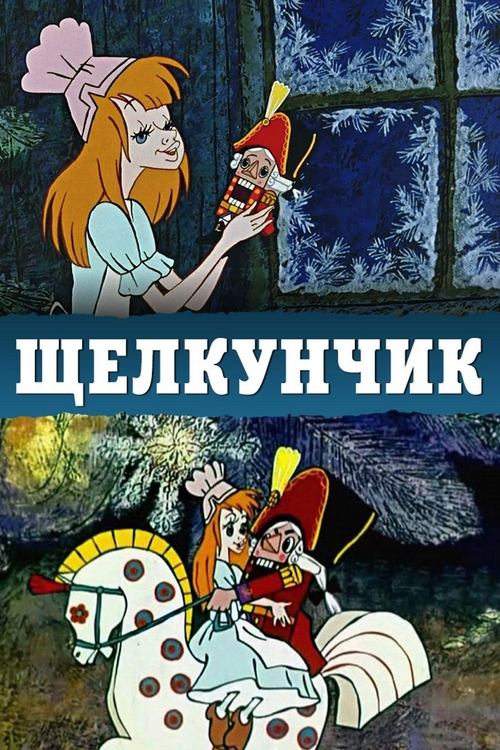
The Nutcracker
1973
No user ratings available yet
Diversity score: 1.9 out of 10
1992
Director
Georges Schwizgebel
Runtime
5 minutes
Average Rating
No ratings yetSynopsis
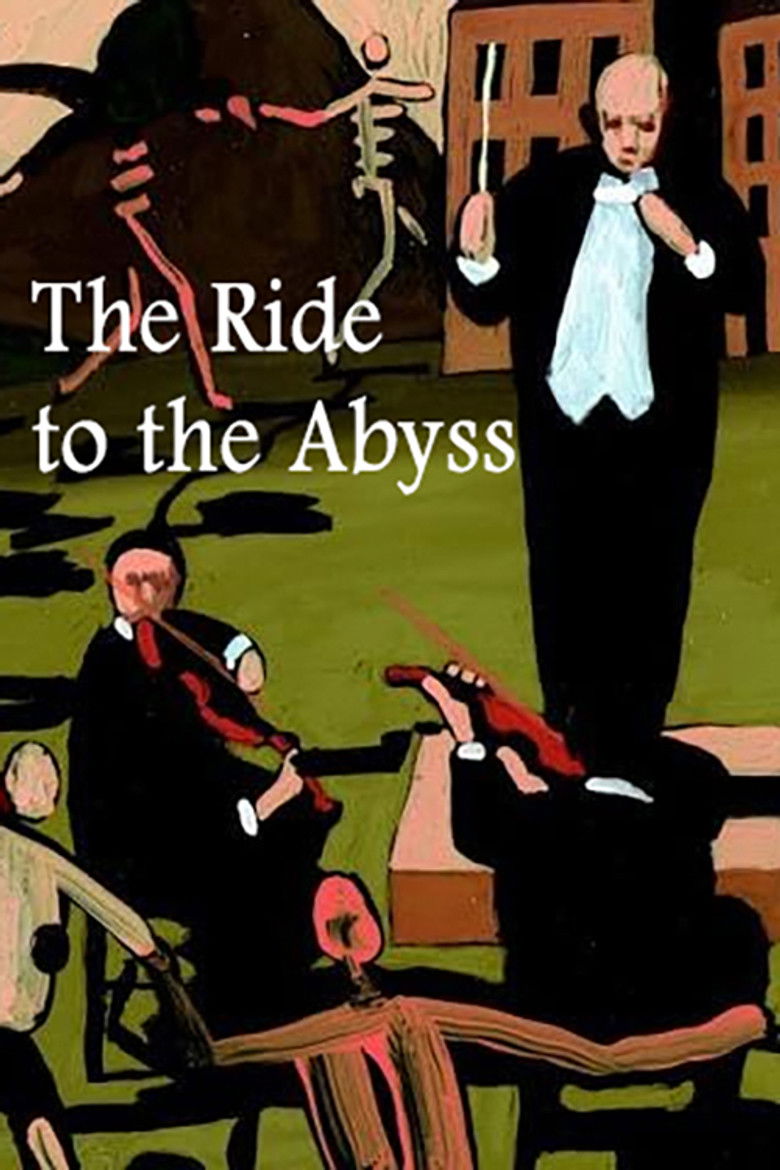
‘La course à l’abîme’ is a depiction of the final ride into hell from ‘La Damnation de Faust’ (1846) by Hector Berlioz.
Overall Score
Limited
Category Breakdown
LGBTQ+ Representation
The film lacks explicit queer-coded elements or non-cisnormative identities. It adheres strictly to the traditional romantic and tragic structures found in the 1846 source material.
Gender Representation
Representation follows established gender roles inherent in 19th-century Romantic literature. The narrative focuses on a traditional dramatic arc without subverting gender hierarchies.
Racial & Ethnic Diversity
The work functions within a culturally homogeneous framework centered on European mythological archetypes. There is no evidence of non-Anglo-Saxon casting or racial diversity.
Religious & Cultural Diversity
The film is deeply rooted in Western classical traditions and religious frameworks regarding damnation. It serves as a medium for high-art musical preservation rather than social commentary.
Disability Representation
There is no information available regarding the inclusion of characters with visible or invisible disabilities.
Strengths
Areas for Improvement
AI Analysis
The film is a formalist, aesthetic adaptation of Hector Berlioz’s 19th-century operatic work. Because it prioritizes the intersection of classical music and avant-garde animation, the narrative is dictated by historical literary tropes rather than modern social themes. As a result, the work lacks contemporary intersectional frameworks. It operates within a traditionalist storytelling mode that focuses on Faustian tragedy and European mythological archetypes. Ultimately, the film's adherence to its classical origins limits its engagement with diverse social identities or the subversion of traditional hierarchies.
1973
1992
1992
1994

1994
1987

2002

1938

2010
2019
1978

1935
No reviews yet. Be the first to share your thoughts on this movie!
Use the rating form above to leave a star rating and optional review.