Find another title
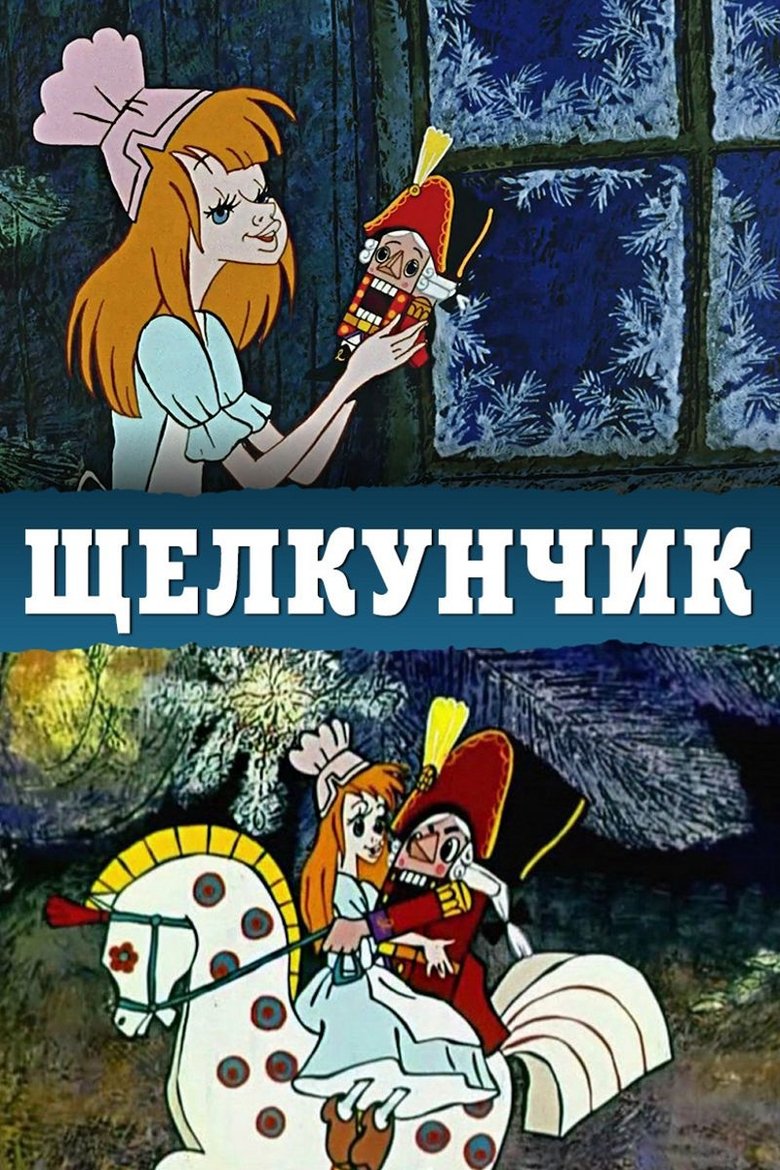
The Nutcracker
1973
Director
Boris Stepantsev
Runtime
25 minutes
Average Rating
No ratings yetSynopsis
A young chambermaid finds a neglected nutcracker under a Christmas tree. It comes to life, but the Nutcracker is really an enchanted prince.
Where to Watch
Diversity & Representation
Overall Score
Minimal
Category Breakdown
LGBTQ+ Representation
The film lacks LGBTQ+ characters or non-heteronormative identities. The central romance follows a conventional trajectory between the female protagonist and the enchanted prince.
Gender Representation
Traditional gender roles dominate the narrative. While Marie drives the initial discovery, the story ultimately prioritizes a male-led hero's journey, reinforcing classical gender binaries.
Racial & Ethnic Diversity
The animation maintains a homogeneous, Eurocentric aesthetic. Character designs are rooted in traditional European fairy tale archetypes without any representation of diverse ethnic identities.
Religious & Cultural Diversity
The story celebrates idealized Western traditions, specifically Christmas and bourgeois domesticity. It follows a singular moral framework of good versus evil without cultural critique.
Disability Representation
There is no significant depiction of physical or neurodivergent disabilities. Characters are presented as idealized or anthropomorphic figures within a standard fantasy setting.
Strengths
- Faithfully preserves the classical aesthetic and magical realism of the original European fairy tale traditions.
Areas for Improvement
- Lacks representation of diverse racial, ethnic, or LGBTQ+ identities.
- Relies on traditional gender roles that favor a male-led hero's journey.
- Provides no meaningful depiction of physical or neurodivergent disabilities.
AI Analysis
Stepantsev’s animation functions as a preservation of classical folklore rather than a tool for social subversion. It adheres strictly to the established archetypes of the Hoffmann tale and Tchaikovsky ballet, prioritizing whimsical escapism over modern intersectional perspectives. The film's architecture is built upon traditionalist structures. It reinforces existing cultural hierarchies and gender binaries, offering a stylized version of European domesticity that lacks contemporary social commentary. Ultimately, the work serves as a traditionalist narrative. It focuses on maintaining the integrity of a specific historical and literary aesthetic rather than expanding the scope of its character representation.
Rate this Movie
Reviews
No reviews yet. Be the first to share your thoughts on this movie!
Use the rating form above to leave a star rating and optional review.