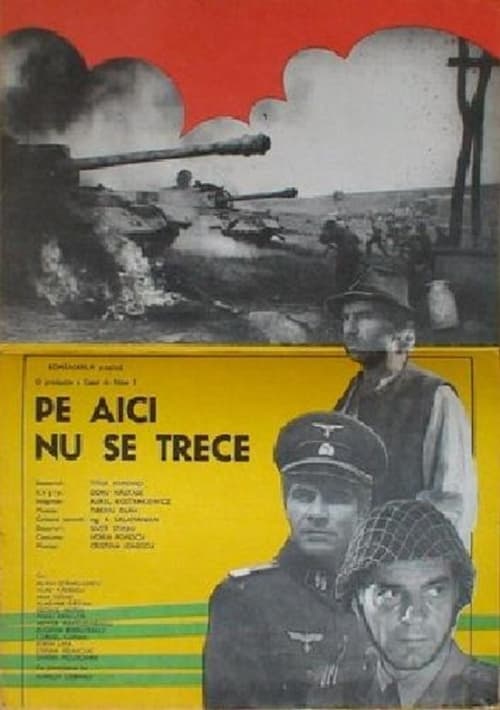
No Trespassing
1975
No user ratings available yet
Diversity score: 4.2 out of 10
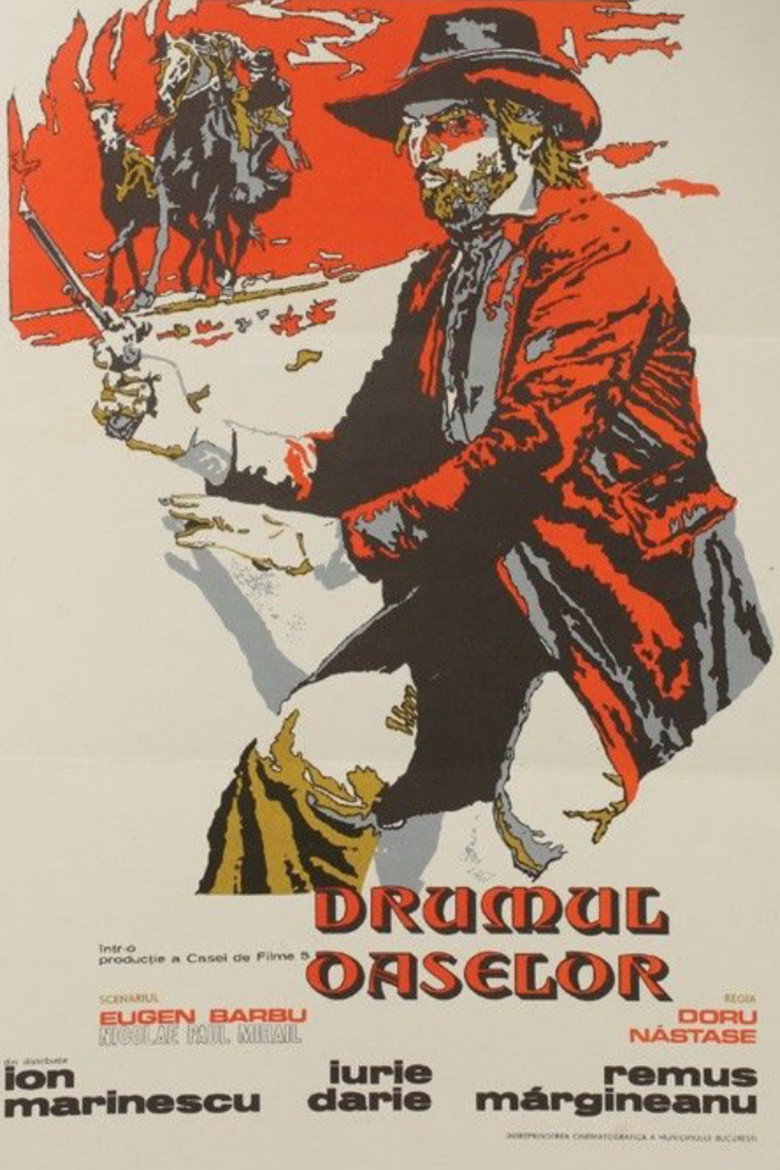
1980
Director
Doru Năstase
Runtime
116 minutes
Average Rating
No ratings yetSynopsis
Margelatu, the feared criminal helps the Romanian resistance to fight the dictatorial authorities.
Overall Score
Fair
Category Breakdown
LGBTQ+ Representation
The film lacks any depiction of non-cisnormative identities or same-sex intimacy. The narrative adheres to traditional revolutionary archetypes common in 1980s Eastern European adventure cinema.
Gender Representation
Agency is heavily concentrated in male figures, following Western genre conventions. The protagonist, Mărgelatu, drives the plot through physical combat and masculine prowess.
Racial & Ethnic Diversity
The cast is ethnically homogeneous, reflecting its 1840s Wallachian setting. However, it avoids Anglo-centric hegemony by centering a localized, national struggle for identity.
Religious & Cultural Diversity
The film offers a progressive critique of institutional power. It frames the state as an oppressive force, prioritizing a revolutionary, anti-authoritarian framework over state-sanctioned order.
Disability Representation
There is no evidence of characters with visible or invisible disabilities driving the plot or being integrated into the narrative.
Strengths
Areas for Improvement
AI Analysis
The Bone Srewn Road functions as a historical Western that prioritizes political subtext over modern intersectional identity. It utilizes the outlaw archetype to critique the legitimacy of dictatorial authorities in 19th-century Wallachia. While the film lacks representation for LGBTQ+ individuals and people with disabilities, it finds strength in its narrative stance on power dynamics. It centers a localized struggle for national identity rather than following Western-centric tropes. Ultimately, the film is a study of systemic conflict. It replaces modern identity politics with a sophisticated look at how individuals resist oppressive institutional hierarchies.
No reviews yet. Be the first to share your thoughts on this movie!
Use the rating form above to leave a star rating and optional review.