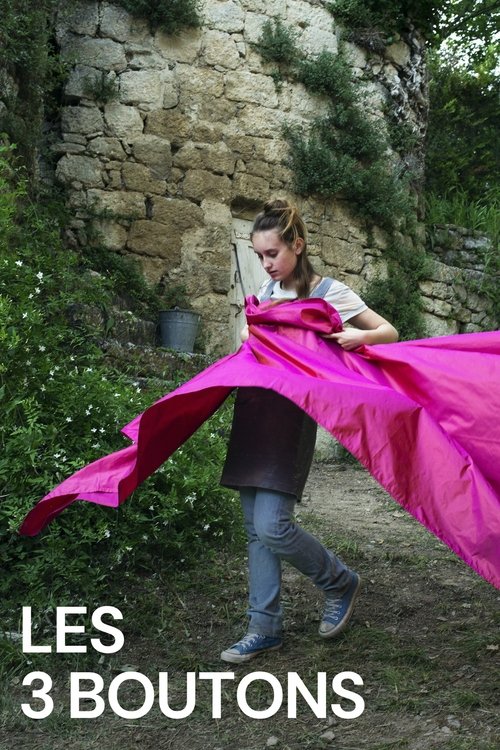
Les 3 Boutons
2015
No user ratings available yet
Representation score: 4.4 out of 10
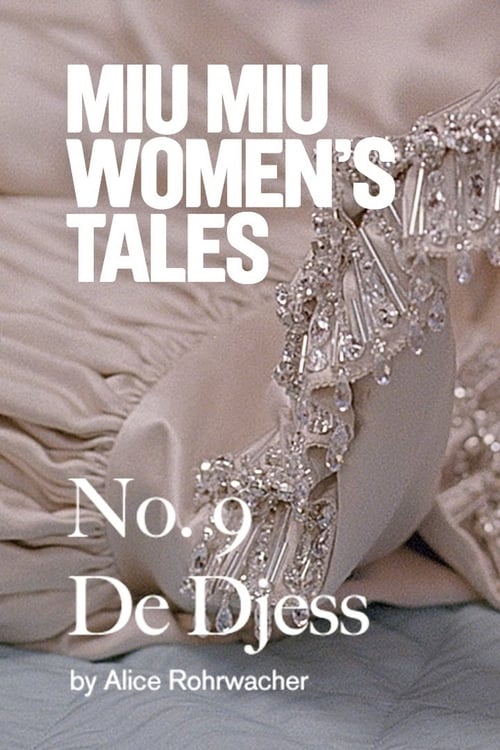
Representation Score
Good
2015
Director
Alice Rohrwacher
Runtime
15 minutes
Average Rating
No ratings yetNew Showbiz Analysis
De Djess disrupts traditional Western societal norms through its use of magical realism. The film elevates transient and underrepresented lifestyles over structured, capitalist storytelling. It critiques established social frameworks by presenting a subjective reality that questions the necessity of institutionalized order. Despite avoiding overt identity politics, the film centers those living on the margins of society.
Category Breakdown
The film avoids explicit LGBTQ+ themes but presents a world where gender and sexual identities are fluid and not confined to traditional roles.
The movie emphasizes the role of women through the main character Mica and her mother Alba Rohrwacher. It avoids typical gender roles and focuses on a female-led perspective centered around survival and mythology.
By focusing on nomadic and itinerant communities, the film highlights the lives of those who exist outside the mainstream, offering a nuanced view of these diverse groups.
The film challenges traditional Western institutions such as capitalism and organized religion, emphasizing a mythic morality and existential freedom over the stability of settled societies.
There are no specific depictions of physical or neurodivergent disabilities present in the narrative.
Present on Screen
Limited or Absent
Official Synopsis
The ninth short film of the Miu Miu’s Women’s Tales series reflects Alice Rohrwacher’s attention to the surreal world of ordinariness and exceptions.
2015
1974

2015
2015
2011
2001
1905
1907
No reviews yet. Be the first to share your thoughts on this movie!
Use the rating form above to leave a star rating and optional review.