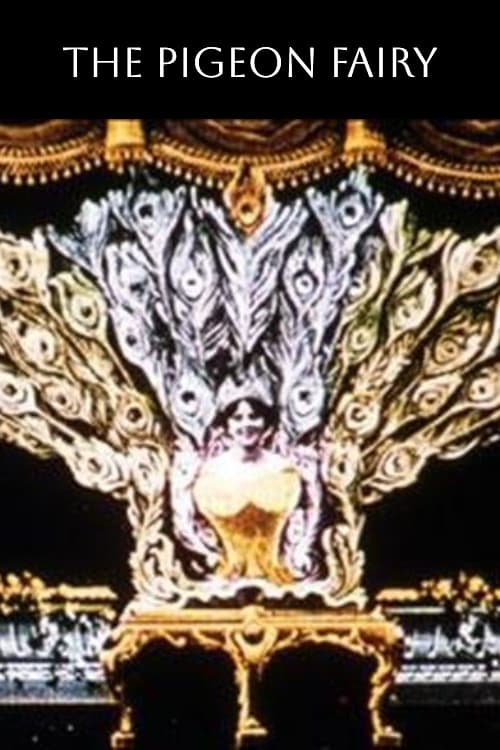
The Pigeon Fairy
1906
No user ratings available yet
Representation score: 0.8 out of 10
Representation Score
Minimal
1905
Director
Gaston Velle
Runtime
13 minutes
Average Rating
No ratings yetNew Showbiz Analysis
Gaston Velle’s work is a foundational piece of cinematic surrealism that prioritizes visual experimentation over social representation. The film relies on early 20th-century storytelling and folklore, focusing on moral consequences rather than diverse character perspectives. Because the film predates modern sociological discourse, it lacks the layered representation found in contemporary cinema. The narrative is driven by greed and its consequences, rather than diverse viewpoints. Ultimately, the film serves as a technical showcase for trick photography and dream-like imagery. It remains rooted in the homogeneous casting and traditional moral frameworks of the early 1900s.
Category Breakdown
The film does not include any representation of LGBTQ+ identities or queer narratives. It adheres to traditional storytelling without addressing or challenging assumptions about gender identity.
The story centers around a male protagonist motivated by greed within a fairy tale setting. It lacks strong female roles or challenges to traditional gender norms.
The film features a predominantly white cast with no evidence of racial or ethnic diversity. There is no use of non-human species as metaphors for racial diversity.
The film incorporates religious imagery, such as a devil's face and a hell sequence, which disrupts conventional morality by presenting the protagonist's downfall as a surreal consequence of greed.
There is no representation of characters with visible or invisible disabilities. Disability is not used as a narrative device or plot point in this film.
Present on Screen
Limited or Absent
Official Synopsis
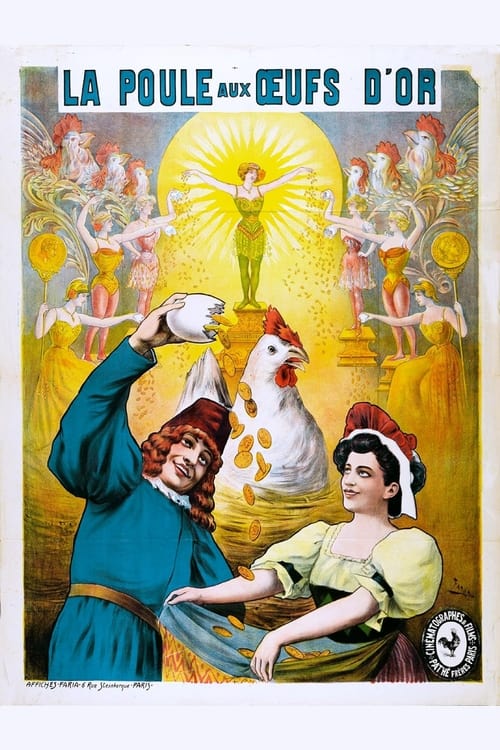
This has more of a clear narrative than most of the films in the set although it’s still quite odd and random compared to today’s films. There are some effectively surreal and creepy sequences in this imaginative short, such as the devil’s face appearing in an egg and spewing coins as well as the finale where our protagonist is sent to an egg-filled hell.
1906
1907
1905
1905
1905
1908
1906
1901
No reviews yet. Be the first to share your thoughts on this movie!
Use the rating form above to leave a star rating and optional review.