Royal Cat Nap
1958
No user ratings available yet
Representation score: 0.4 out of 10
Representation Score
Minimal
1954
NRDirector
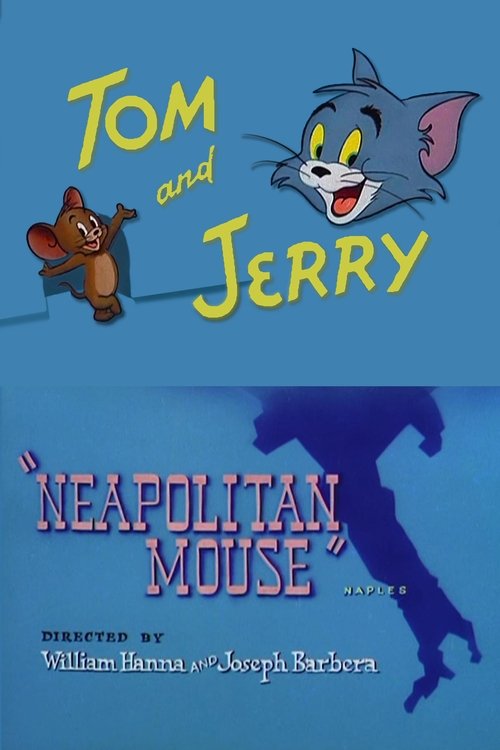
William Hanna, Joseph Barbera
Runtime
7 minutes
Average Rating
No ratings yetNew Showbiz Analysis
Neapolitan Mouse follows the established Tom and Jerry formula, emphasizing kinetic physical comedy over social commentary. The narrative relies on the classic predator-prey dynamic within a localized setting. While introducing a local mouse character and a specific European setting expands the franchise's geographic scope, the characters remain archetypal. The film adheres to conventional boundaries of mid-century animation, focusing on situational humor rather than identity-based exploration. Ultimately, the work lacks intentional disruption of social or cultural hierarchies, favoring traditional comedic structures and established character clichés.
Category Breakdown
The film centers on the raw, non-romantic conflict between Tom and Jerry. It does not include any characters with non-cisgender identities or narratives.
Characters are defined by physical aggression and slapstick humor. The protagonists act as non-gendered archetypes without challenging traditional gender roles.
A European setting and a local mouse add cultural flavor. However, this representation serves as an aesthetic backdrop without delving into ethnic identity.
The Naples setting provides a scenic backdrop for physical humor. The narrative does not explore systemic power dynamics or challenge social norms.
The short contains no characters with visible or invisible disabilities. Disability is not used as a plot device.
Present on Screen
Limited or Absent
Official Synopsis
Tom chases Jerry through the streets of Naples; they meet a local mouse who recognizes them from their cartoons and shows them around. Meanwhile, some local dogs are shadowing them.
1958
1958
1949
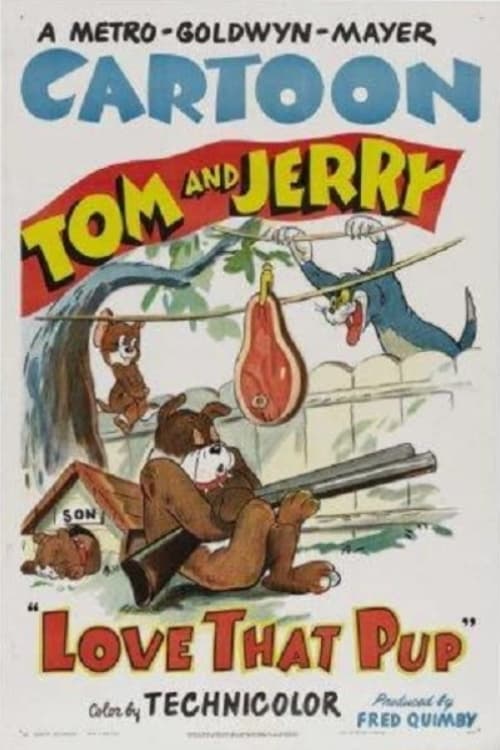
1949
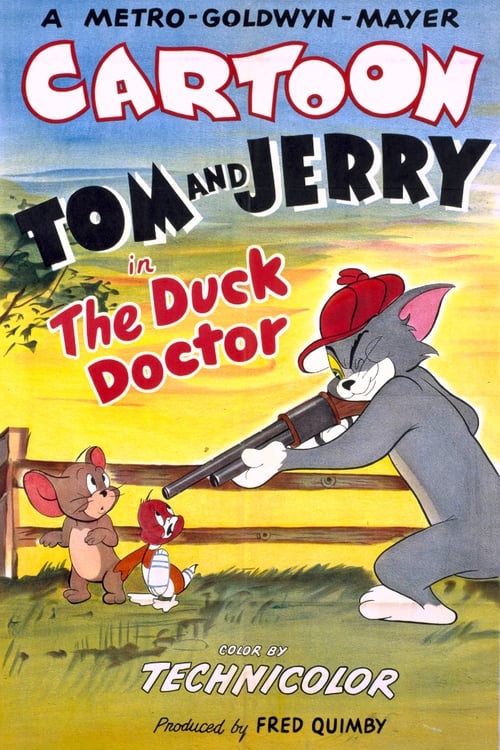
1952
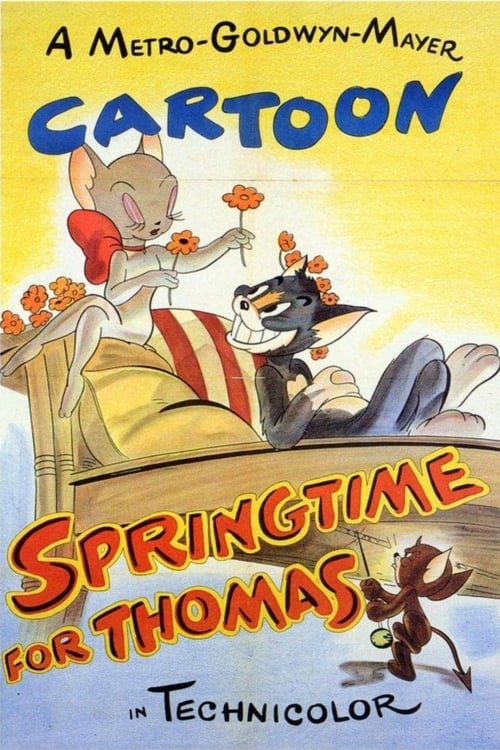
1946
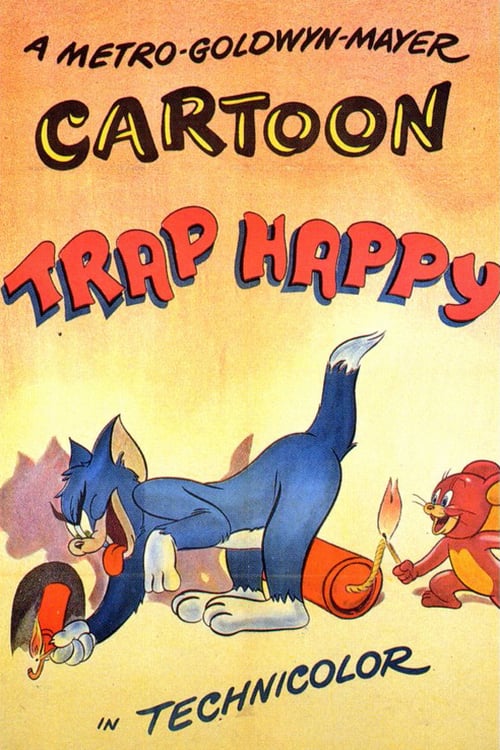
1946
1956
No reviews yet. Be the first to share your thoughts on this movie!
Use the rating form above to leave a star rating and optional review.