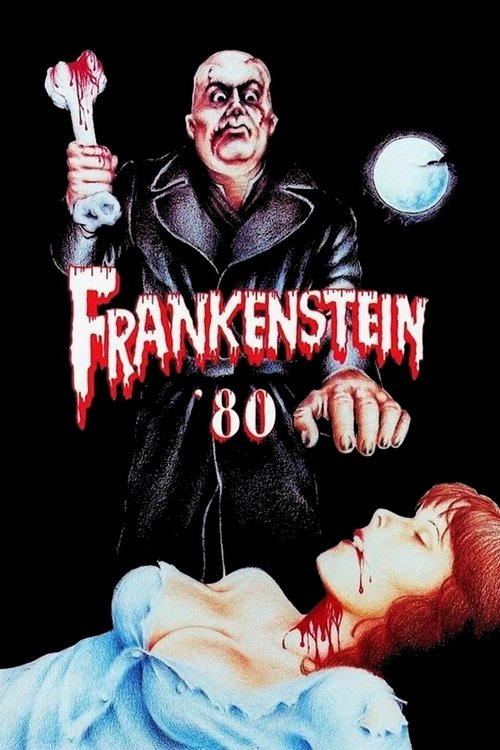
Frankenstein '80
1972
No user ratings available yet
Representation score: 0.9 out of 10
Representation Score
Minimal
1958
NRDirector
Charles Saunders
Runtime
70 minutes
Average Rating
No ratings yetNew Showbiz Analysis
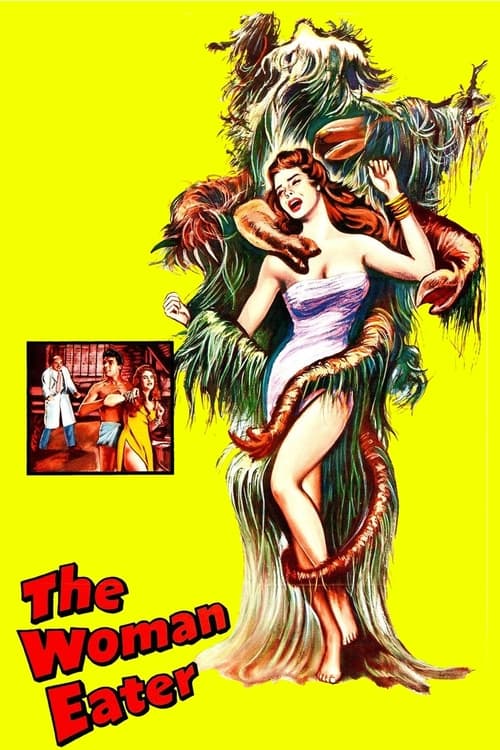
Womaneater is a product of its 1958 context, functioning as a traditional mid-century horror piece. It relies heavily on established genre clichés that prioritize patriarchal authority and male scientific ambition over diverse perspectives. The film reinforces social hierarchies rather than challenging them. By portraying women as mere catalysts for a scientist's goals, the narrative denies them a significant role in driving the story. Ultimately, the production lacks intentionality regarding storytelling that reflects multiple aspects of identity. It remains a standard example of the era's homogeneous and formulaic approach to science fiction horror.
Category Breakdown
The film does not include any LGBTQ+ characters or narratives, reinforcing the assumption that everyone is straight or cisgender.
Female characters are portrayed as passive victims of a predatory entity, while the narrative centers on a dominant male scientist, reinforcing patriarchal hierarchies.
The film likely reflects the era's lack of racial integration, with no evidence of a diverse cast or actors from different racial backgrounds.
The story adheres to conventional mid-century Western themes, focusing on man versus science conflicts without addressing modern moral relativism or systemic critiques.
There are no characters with physical or neurodivergent disabilities in the film, which focuses solely on biological horror and scientific resurrection.
Present on Screen
Limited or Absent
Official Synopsis
A mad scientist captures women and feeds them to a flesh-eating tree, which in turn gives him a serum that helps bring the dead back to life.
1972
1969
1963
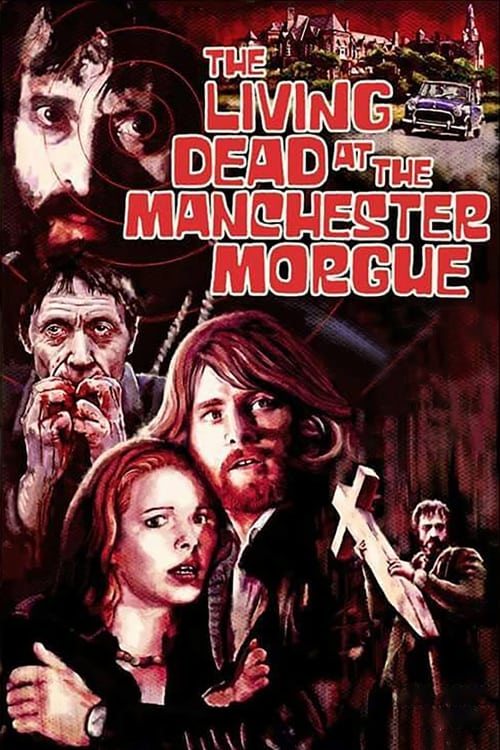
1974
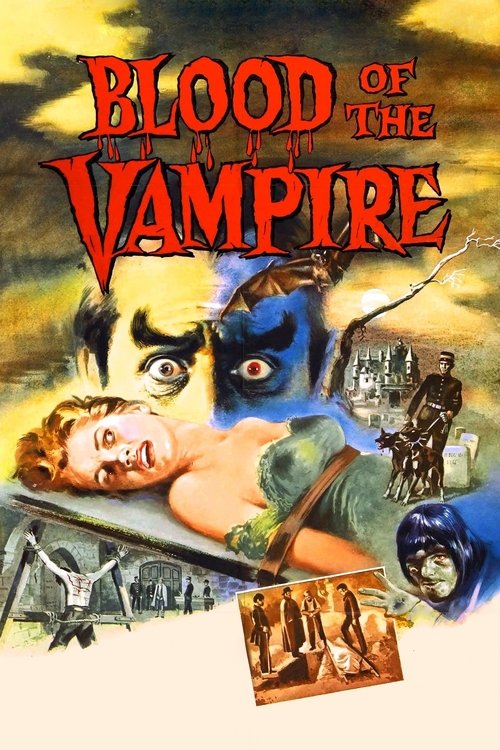
1958
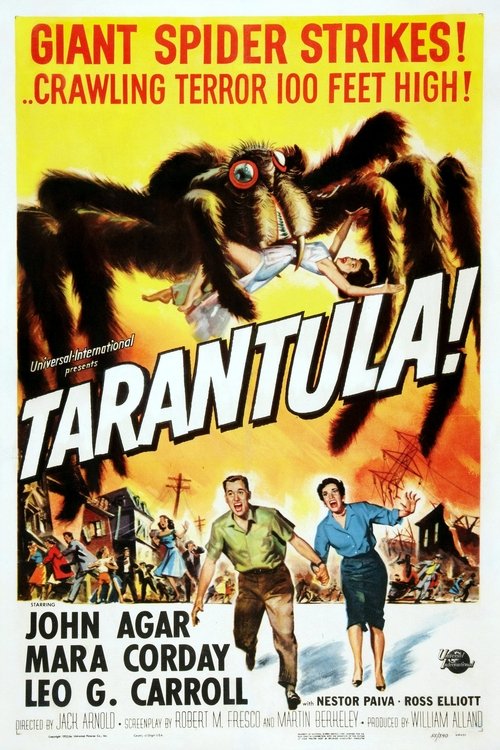
1955
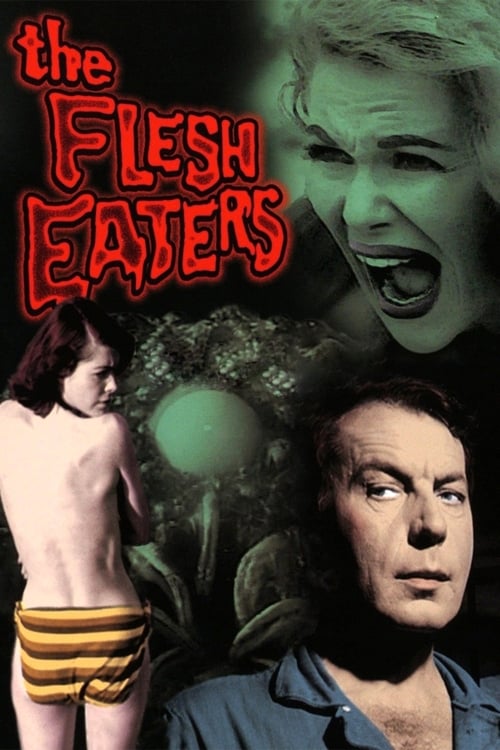
1964
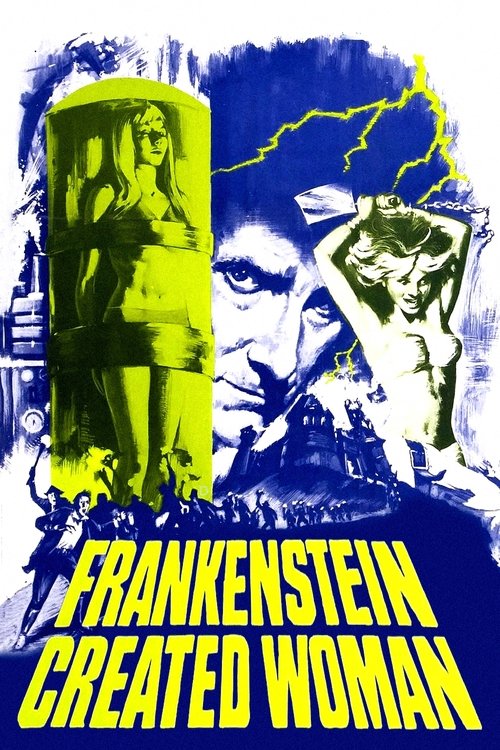
1967
No reviews yet. Be the first to share your thoughts on this movie!
Use the rating form above to leave a star rating and optional review.