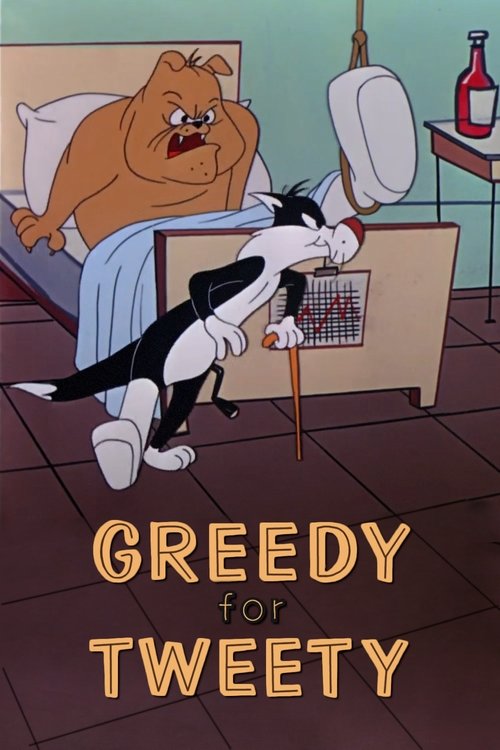
Greedy for Tweety
1957
No user ratings available yet
Representation score: 1.6 out of 10
Representation Score
Minimal
1953
Director
Friz Freleng
Runtime
7 minutes
Average Rating
No ratings yetNew Showbiz Analysis
This animated short is a product of its era, prioritizing slapstick humor and physical gags over social or identity-driven narratives. The conflict is driven by instinctual predator-prey dynamics rather than any exploration of systemic power or social representation. The film maintains a conventional status quo, using characters like Granny to reinforce traditional mid-century domestic archetypes. It offers no disruption to established cultural hierarchies, focusing instead on the comedic pursuit of food and physical obstacles.
Category Breakdown
The film focuses solely on the predatory relationship between Sylvester and Tweety, without depicting any non-binary gender identities or challenging assumptions about straight relationships.
Granny is portrayed as a traditional caregiver, embodying mid-century domestic roles. The anthropomorphic characters avoid typical human gender hierarchies.
The setting is a uniform, homogenous environment with no racial or ethnic identifiers. It does not engage with the complexities of ethnic identity.
The short follows a standard Western comedic tradition, reinforcing a stable, traditional domestic setting without critiquing Western institutions or promoting secularism.
Hector the bulldog is shown as bedridden, serving mainly as a comedic plot device rather than a nuanced portrayal of disability.
Present on Screen
Limited or Absent
Official Synopsis
The title of this cartoon is a misnomer, because it is in fact Tweety Bird who is the homeless one here, and Sylvester is Granny's pet. Tweety seeks shelter from a blizzard and taps on Granny's house door. Sylvester answers and grabs the canary. He tries to hide Tweety from Granny while evading the attacks of Hector, Granny's bed-ridden bulldog, who wants revenge on Sylvester for his broken leg. Tweety keeps escaping Sylvester's clutches, with Hector's help.
1957
1954
1944
1956
1948
1953
1950
1955
No reviews yet. Be the first to share your thoughts on this movie!
Use the rating form above to leave a star rating and optional review.