Third Party Risk
1954
No user ratings available yet
Representation score: 0.8 out of 10
Representation Score
Limited
1942
Director
Jacques Becker
Runtime
105 minutes
Average Rating
No ratings yetNew Showbiz Analysis
The film operates as a traditional 1940s crime drama, emphasizing procedural mystery-solving over challenging social norms. Its narrative structure revolves around male-driven investigations and conventional crime genre formulas. Although the setting introduces an international element, the film stays within the bounds of its time period's standards. It does not actively question systemic hierarchies or explore diverse identities. Ultimately, the film aligns with the cinematic standards of 1942, concentrating on resolving a crime rather than disrupting established social norms.
Category Breakdown
The film does not include any characters with non-binary gender identities. It adheres to the assumption that everyone is straight or cisgender, reflecting the social norms of the early 1940s.
The story focuses on male characters involved in investigations, reinforcing traditional gender roles where men take the lead in solving crimes.
The film is set in an imaginary South American country, which might seem exotic but it's unclear if this adds genuine diversity or just serves as decorative scenery.
The storyline follows standard procedures related to crime and law enforcement. It doesn't clearly address secularist themes or challenge Western institutions.
There are no characters with visible or invisible disabilities featured in the main plot or character arcs.
Present on Screen
Limited or Absent
Official Synopsis
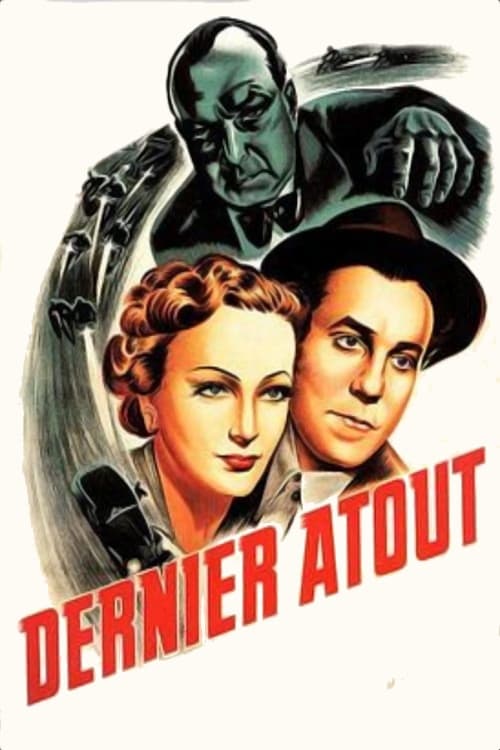
A man is shot In the hotel of an imaginary South American country. Clarence and Montès, two inspector students, must solve this murder, but they don't know that dead guy is the USA public enemy No.1.
1954
1953
1930
1936
1951
1946
1943
1949
No reviews yet. Be the first to share your thoughts on this movie!
Use the rating form above to leave a star rating and optional review.