The Gink at the Sink
1952
No user ratings available yet
Representation score: 2.0 out of 10
Representation Score
Minimal
1952
ApprovedDirector
Henry Levin
Runtime
89 minutes
Average Rating
No ratings yetNew Showbiz Analysis
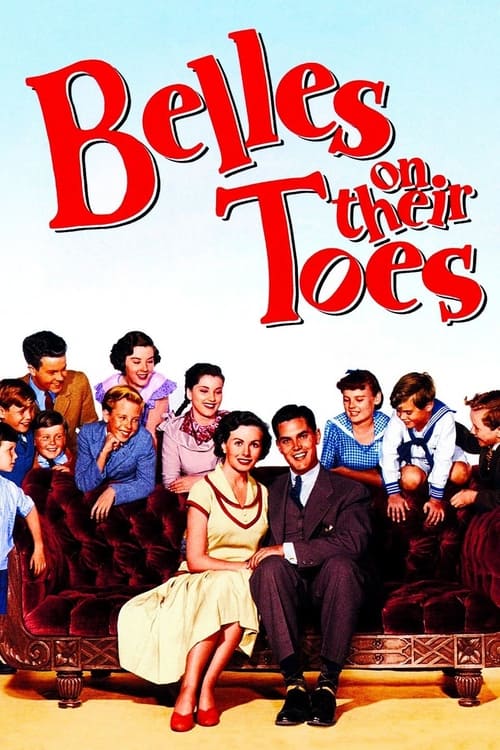
Belles on Their Toes is a classic mid-century musical comedy that focuses on escapism rather than social critique. While the film centers female characters in the comedic storyline, their influence remains tied to traditional domestic and romantic expectations. The production reflects the era’s standard of depicting white, upper-class society as the norm. This leads to a homogenous cast and a narrative that upholds existing social and racial hierarchies without challenging them. Overall, the film lacks multi-layered complexity. It reinforces traditional Western values, focusing on courtship and class preservation within a narrow demographic scope.
Category Breakdown
The film does not include any LGBTQ+ identities or subtext. Romantic storylines follow traditional heterosexual patterns focused on courtship and marriage.
Women play central roles in driving the plot and navigating romantic relationships. However, their influence is confined to domestic settings and maintaining social standing.
The cast is primarily white, reflecting the era's standards. Set in a Southern aristocratic context, the film does not provide meaningful representation for non-white characters.
The narrative emphasizes traditional Western institutions and class status. It celebrates family stability and social decorum without critiquing established social orders.
There are no depictions of physical, sensory, or neurodivergent characters. The cast is portrayed through a lens of able-bodied social performance.
Present on Screen
Limited or Absent
Official Synopsis
The "Cheaper by the Dozen" crew is back, sans Clifton Webb. Lillian is struggling to make ends meet without her husband's income, while Anne, Martha, and even Ernestine find romance.
1952
1954
1942
1942
1942
1938
1953
1961
No reviews yet. Be the first to share your thoughts on this movie!
Use the rating form above to leave a star rating and optional review.