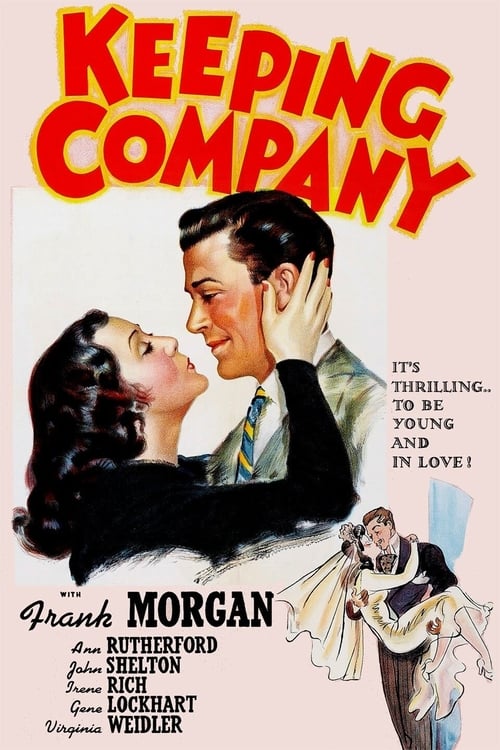
Keeping Company
1940
No user ratings available yet
Representation score: 2.7 out of 10
Representation Score
Minimal
1942
ApprovedDirector
Alfred E. Green
Runtime
73 minutes
Average Rating
No ratings yetNew Showbiz Analysis
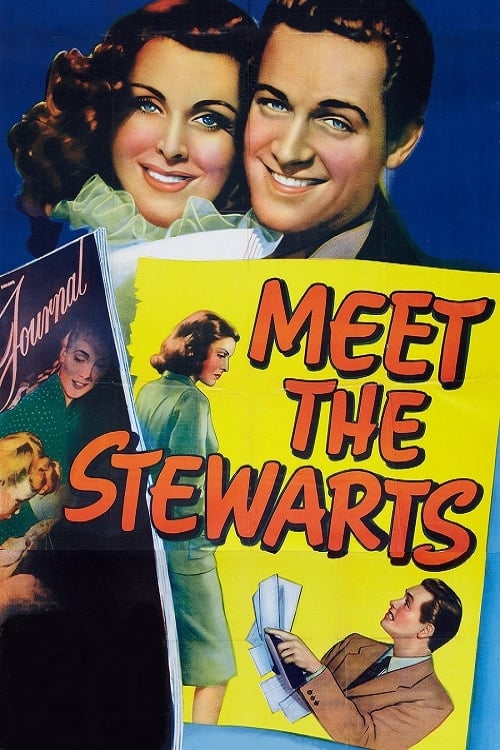
Meet the Stewarts is a product of the 1942 studio system, adhering strictly to the social and cinematic conventions of its time. The narrative structure is centered around the traditional nuclear family, focusing on a newlywed couple managing a household on a budget. Since the film follows mid-century clichés related to marriage and domesticity, it does not challenge established social hierarchies. The lack of diverse representation reflects the period's mainstream cinematic standards, which favored conventional Western social structures and homogeneous casting.
Category Breakdown
The film does not include any LGBTQ+ characters or stories. It focuses on a newlywed couple, a common theme that emphasizes traditional heterosexual relationships.
The story revolves around a couple learning to navigate marriage. This likely relies on traditional gender roles and domestic dynamics typical of 1940s comedies.
The film reflects the homogeneous casting standards of 1942. It seems to prioritize Anglo-Saxon depictions of the nuclear family without any indication of diverse casting.
The narrative centers on traditional Western values like economic responsibility and marriage. It focuses on the successful navigation of standard social milestones.
There are no characters with visible or invisible disabilities in the film. No such characters appear to be central to the narrative.
Present on Screen
Limited or Absent
Official Synopsis
A young, newlywed couple learns to make their marriage work—on a budget.
1940

1934
1952
1940

1924
1944
1947

1954
No reviews yet. Be the first to share your thoughts on this movie!
Use the rating form above to leave a star rating and optional review.