
Don't Blink - Robert Frank
2015
No user ratings available yet
Representation score: 6.2 out of 10
Representation Score
Fair
2001
Director
Makoto Satō
Runtime
53 minutes
Average Rating
No ratings yetNew Showbiz Analysis
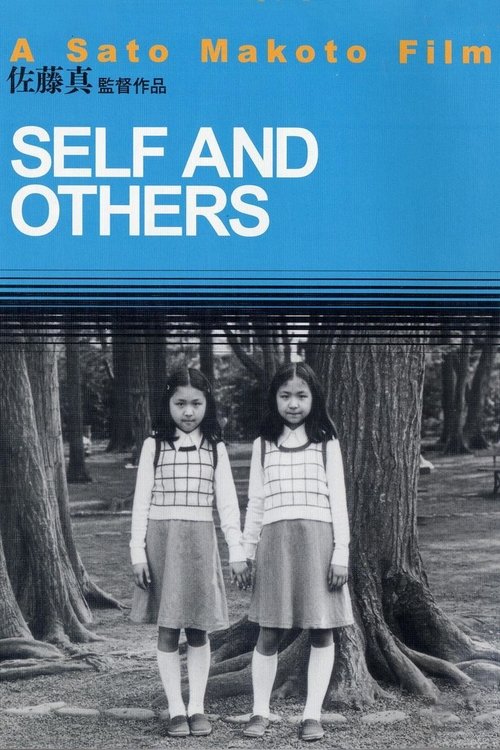
Self and Others is a meditative documentary that replaces authoritative biography with a fragmented, subjective experience. It uses a collage of manuscripts, letters, and photographs to explore the human condition through the lens of photographer Gocho Shigeo. The film succeeds in offering a non-Western perspective, centering a Japanese creative legacy. Its structural refusal to follow linear, institutionalized storytelling methods provides a sophisticated framework for exploring identity and human connection. However, the work lacks overt demographic markers or explicit representation of specific identities. While it offers philosophical depth, it does not provide clear on-screen evidence of LGBTQ+ or disability-related narratives.
Category Breakdown
The film explores intimate connections through private correspondence and photographs. Though it doesn't explicitly identify LGBTQ+ characters, the focus on personal gestures suggests potential depth regarding non-traditional relationships.
Avoiding the typical 'great man' biographical cliché, the film disrupts traditional masculine hierarchies. It emphasizes emotional resonance and the photographic gaze over social status or leadership.
This Japanese documentary offers a non-Western perspective on art and existence. It centers a Japanese creative legacy, providing a narrative that exists outside the dominant Anglo-Saxon cinematic tradition.
The film prioritizes philosophical inquiry and subjective truth over rigid biography. Its focus on the ephemeral and personal suggests a departure from traditional, institutionalized Western storytelling structures.
There is no specific evidence regarding the portrayal of physical or neurodivergent disabilities within the film's narrative.
Present on Screen
Limited or Absent
Official Synopsis
In 1983, photographer Gocho Shigeo met an early death at the young age of 36. The view we see reflected in Gocho’s photographic images has become more profound over time since his death and has struck a chord in people’s hearts. While focusing on Gocho’s collection of photographs Self and Others, the film also visits places associated with him, creating a collage with the manuscripts, letters, photographs and voice recordings remaining in an attempt to capture “one more gesture”—a theme pursued by Gocho through photographic expression. This film is neither a critical biography nor a monograph on the photographer. Rather, we are offered a new perception. As if mesmerized, the photographs Gocho left behind captivate us in their gaze.
2015

1983
2014

1985
2003
1978
2001
2014
No reviews yet. Be the first to share your thoughts on this movie!
Use the rating form above to leave a star rating and optional review.