To Keep the Light
2016
No user ratings available yet
Diversity score: 5.5 out of 10
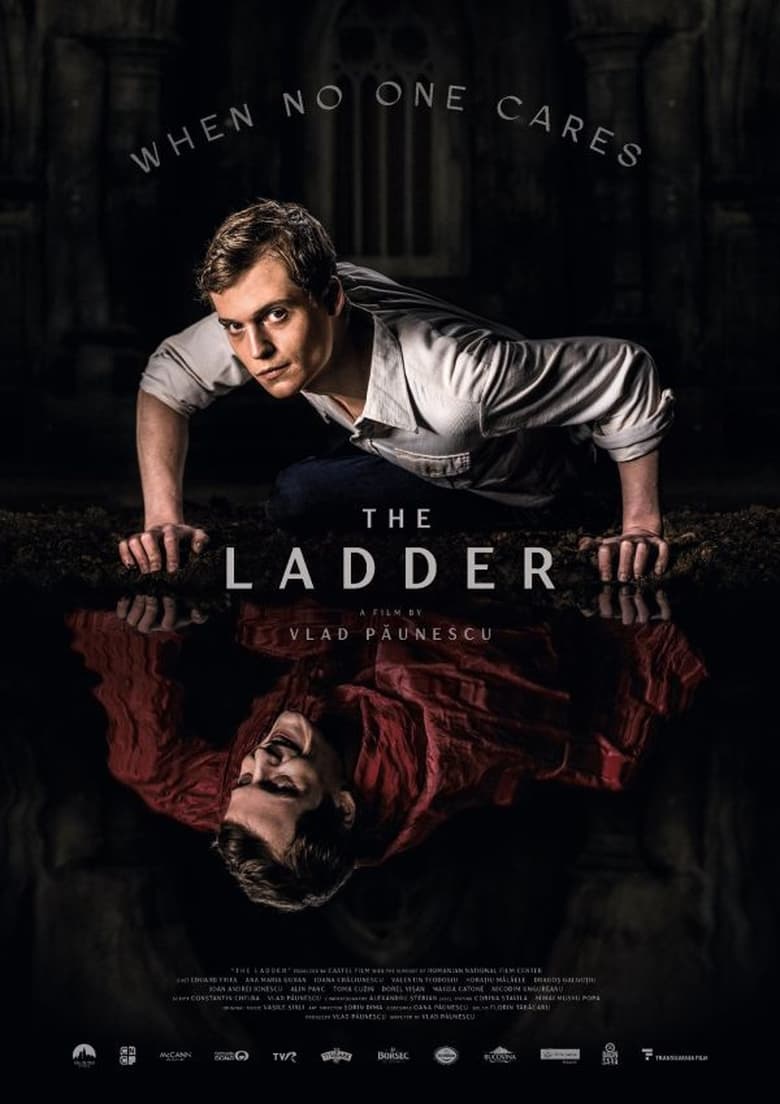
2021
Director
Vlad Păunescu
Runtime
137 minutes
Average Rating
No ratings yetSynopsis
Based on true events, The Ladder follows the spiritual journey of Andrei, a sensitive, socially awkward young man who turns to acting in his search for true happiness. After the fall of communism, he is blinded by the illusion of freedom and democracy and faces a series of brutal events that have deeply marked Romania's recent history. Finding comfort in playing the part of Aliosa in a stage adaptation of The Karamazov Brothers, he becomes closer and closer to his character, gradually discovering the way to understanding divinity.
Overall Score
Fair
Category Breakdown
LGBTQ+ Representation
The film lacks explicit depictions of non-heteronormative identities or same-sex intimacy. The protagonist's sensitivity and social awkwardness may offer subtextual explorations of non-conforming behaviors.
Gender Representation
The narrative subverts traditional masculine archetypes by centering on a sensitive, socially awkward protagonist. It prioritizes vulnerability and internal spiritual growth over conventional displays of dominance or leadership.
Racial & Ethnic Diversity
Set in post-communist Romania, the film focuses on a specific localized historical context. The narrative emphasizes systemic identity shifts rather than multi-ethnic representation.
Religious & Cultural Diversity
The film offers a sophisticated critique of Western institutional transitions. It explores spiritual divinity and moral relativism, framing the shift to democracy as a potential illusion.
Disability Representation
Andrei's social awkwardness suggests a nuanced look at neurodivergence or mental health. His internal state drives the plot, granting him agency rather than treating his struggles as mere obstacles.
Strengths
Areas for Improvement
AI Analysis
The Ladder is a character-driven historical drama that prioritizes psychological depth over broad demographic representation. It succeeds in subverting traditional masculine tropes by focusing on a sensitive protagonist navigating a complex spiritual and political landscape. While the film lacks overt diversity in terms of race or LGBTQ+ visibility, it provides intellectual depth through its critique of systemic power. The narrative uses theatrical performance and spiritual searching to explore identity during Romania's transition from communism. Ultimately, the film's strength lies in its nuanced portrayal of individual vulnerability within shifting societal structures, even if it remains localized in its cultural scope.
2016

1960
1972

2004
2012
1982
2020
2025
2002

2024

2000
2018
No reviews yet. Be the first to share your thoughts on this movie!
Use the rating form above to leave a star rating and optional review.