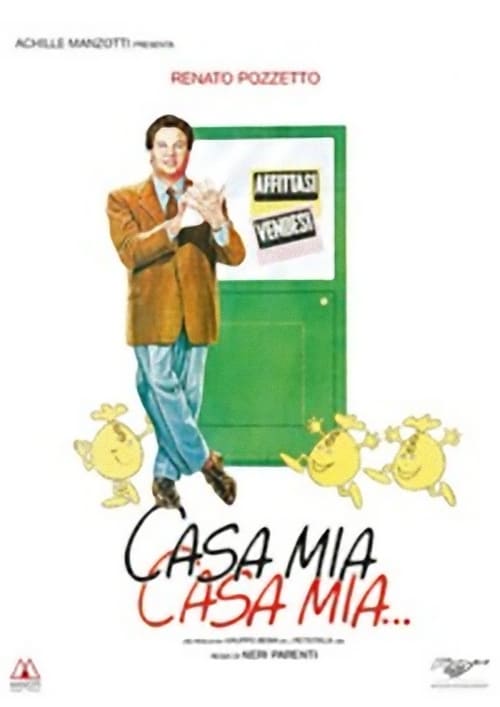
Just Like Home
2011
No user ratings available yet
Representation score: 4.0 out of 10
Representation Score
Minimal
1988
Director
Neri Parenti
Runtime
90 minutes
Average Rating
No ratings yetNew Showbiz Analysis
Neri Parenti’s comedy operates within the traditional framework of the *commedia all'italiana* style. The film prioritizes regional humor and domestic situational clichés over disrupting social hierarchies. Because the story focuses on a localized apartment exchange between Milan and Rome, the narrative remains culturally homogeneous, adhering to the conventional social standards and gender roles typical of 1980s Italian cinema. Ultimately, the film offers limited opportunities for representing multiple aspects of diversity, functioning instead as a period piece that reinforces established cultural norms.
Category Breakdown
The film does not include any LGBTQ+ characters or stories that challenge the assumption that everyone is straight or cisgender. It follows traditional comedic structures focused on everyday mishaps and situational absurdity.
Female characters seem to play supporting roles or act as catalysts for the male protagonist's complications. The narrative likely reinforces traditional gender hierarchies common to the genre.
The production centers on a homogeneous Italian cultural environment with no evidence of non-white majority casting or multi-layered ethnic representation.
The comedy arises from conflicts within established social and familial structures rather than institutional critique. It leans towards the conventional social mores of late-20th-century Italy.
There is no mention of characters with visible or invisible disabilities. Disability is not used as a central narrative device or plot catalyst.
Present on Screen
Limited or Absent
Official Synopsis
Bartoloni from Milan exchanges apartments with his colleague from Rome and moves toa new place. And everything could be good, if not unexpected trouble with which he will have to face ..
2011
1983

1985
1985

2012
2008

1983

1984
No reviews yet. Be the first to share your thoughts on this movie!
Use the rating form above to leave a star rating and optional review.