Hunt for Justice
2005
No user ratings available yet
Representation score: 5.4 out of 10
Representation Score
Good
2008
Director
Laurent Jaoui
Average Rating
No ratings yetNew Showbiz Analysis
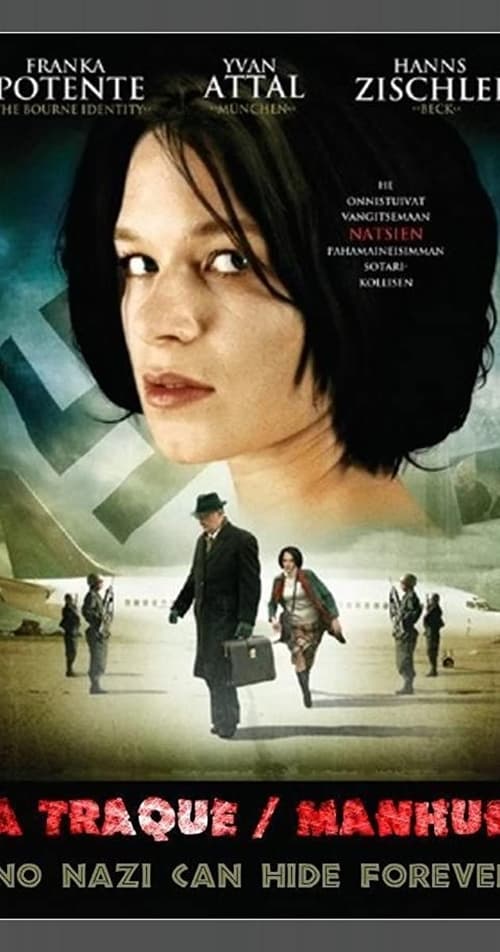
Manhunt stands out from typical biographical dramas by using a multi-perspective approach. Rather than focusing solely on the Klarsfelds, the film incorporates the viewpoints of Klaus Barbie and the Bolivian people, offering a broader historical context. The film effectively challenges traditional gender roles by placing Beate Klarsfeld at the forefront of the plot. This move shifts the narrative away from a strictly male-centric hero storyline, providing a more nuanced exploration of justice. While the film excels in its broad cultural scope and gender representation, it remains conventional in its treatment of identity. It does not delve into LGBTQ+ themes or disability representation, focusing instead on historical and political accountability.
Category Breakdown
The film focuses on the lifelong partnership between Serge and Beate Klarsfeld. It does not depict non-binary gender identities or challenge assumptions that everyone is straight or cisgender.
Beate Klarsfeld is shown as a strong, independent character rather than a supporting figure. The film challenges typical male-dominated historical stories by emphasizing her role in the investigation and legal battles.
The story goes beyond a Eurocentric viewpoint by including the perspectives of Bolivian citizens. This approach recognizes the impact of Klaus Barbie on non-Western populations and their ability to act in the narrative.
The narrative examines the complex interplay of international politics and identity in Bolivia. It presents memory as a contested space, criticizing the leniency shown to Western fugitives in foreign countries.
There are no visible or invisible disabilities portrayed as central narrative elements or character arcs in this historical account.
Present on Screen
Limited or Absent
Official Synopsis
Nazi hunters Serge and Beate Klarsfeld devoted twelve years of their lives to relentlessly tracking down Klaus Barbie, who had fled to Latin America under a false identity. La Traque looks back at their early exploits in Germany, through to the legal and media battles that led to the major trials in France. How was Klaus Barbie able to reinvent himself so easily and continue to wreak havoc in Bolivia with complete impunity in the 1970s? This is what this fictional account reveals, drawing its originality from the various points of view it adopts: that of the Klarsfelds, who had never before been the heroes of a fictional story, but also that of Klaus Barbie and the Bolivians, the new victims of this "exiled" barbarity. Between historical clarifications and revelations, this story forcefully reminds us that memory is not a given, but something that must be fought hard to achieve.
2005
2015

2014

2015
2001
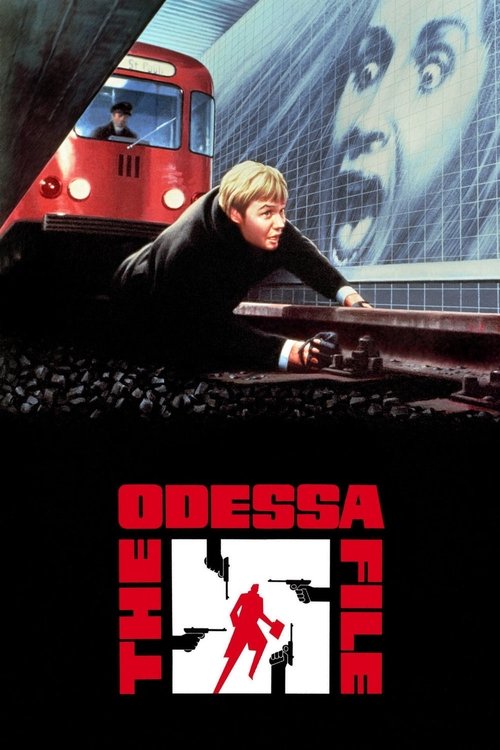
1974

1988

2014
No reviews yet. Be the first to share your thoughts on this movie!
Use the rating form above to leave a star rating and optional review.