
21 Hours at Munich
1976
No user ratings available yet
Diversity score: 2.5 out of 10
1996
NRDirector
William A. Graham
Runtime
96 minutes
Average Rating
No ratings yetSynopsis
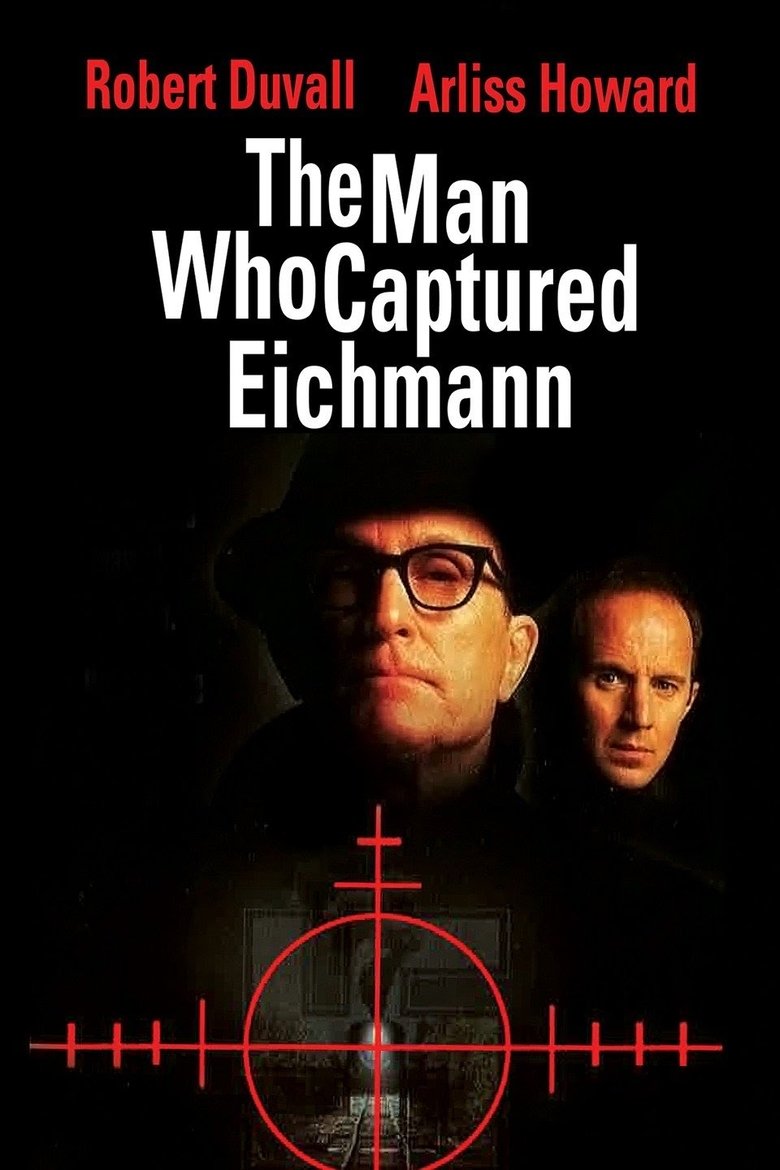
Set in 1960, the story follows the efforts of the Mossad, the Israeli Secret Service, to find former SS Colonel Adolf Eichmann, who ran from Germany to Argentina and took the name Ricardo Clement. He was wanted for the murders of both Europeans and Jews during the Holocaust. Learning of Eichmann's living in Argentina, the Mossad sends a team to capture him, led by agent Peter Malkin. The standing order: bring Eichmann back alive to Israel for trial.
Overall Score
Limited
Category Breakdown
LGBTQ+ Representation
The film adheres to the traditional social structures of the 1960s. There is no presence of non-cisnormative identities or same-sex intimacy within the character arcs.
Gender Representation
The narrative focuses on a male-dominated hierarchy of intelligence and state security. Female characters are largely relegated to domestic spheres or secondary roles.
Racial & Ethnic Diversity
Casting aligns with the historical identities of the subjects, focusing on the Jewish Israeli experience. It maintains historical accuracy without utilizing diverse ethnic blending.
Religious & Cultural Diversity
The story reinforces the legitimacy of state-sanctioned justice and international accountability. Family and religious identity are treated with historical gravity.
Disability Representation
There are no prominent depictions of visible or invisible disabilities that serve as central character drivers or plot devices.
Strengths
Areas for Improvement
AI Analysis
The film functions as a traditional historical reconstruction that prioritizes biographical accuracy and established moral hierarchies. It centers on the specific ethnic and national identities of the Mossad agents and the pursuit of justice for Holocaust victims. Because the story is rooted in the geopolitical realities of 1960, it reflects the professional and social norms of that era. The narrative lacks the intersectional complexity or the deconstruction of power dynamics found in more contemporary media. Ultimately, the work serves as a standard historical drama. It upholds the legitimacy of state institutions rather than seeking to subvert traditional social or gender hierarchies.
No reviews yet. Be the first to share your thoughts on this movie!
Use the rating form above to leave a star rating and optional review.