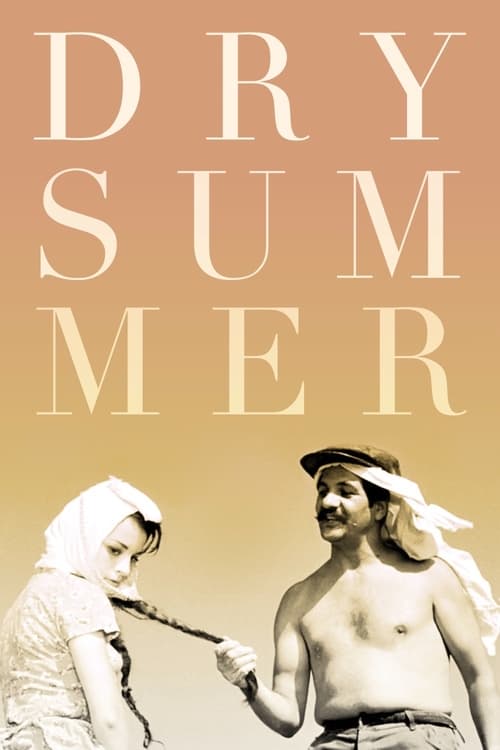
Dry Summer
1963
No user ratings available yet
Representation score: 2.6 out of 10
Representation Score
Good
1962
Director
Metin Erksan
Runtime
108 minutes
Average Rating
No ratings yetNew Showbiz Analysis
Metin Erksan’s drama stands out as a powerful social critique of systemic corruption and rural hierarchy. By focusing on a underrepresented family fighting land dispossession, the film delves into themes of exploitation and ability to act. The film's strength lies in its subversion of traditional roles, especially through the character of Irazca, who defies passive stereotypes of elderly women. Additionally, it provides a gritty, realistic portrayal of the working class, avoiding idealized rural clichés. However, the film remains limited in its scope regarding identity diversity. Its focus on a homogeneous village setting and a traditional family structure means it lacks representation for LGBTQ+ identities or disabilities.
Category Breakdown
The film focuses on a traditional family unit in a Turkish village, with no depiction of non-binary gender identities or same-sex relationships.
The film challenges traditional gender roles by featuring Irazca, an elderly woman who actively resists oppression. She plays a key role in driving the story forward.
Set in a homogenous Turkish village, the film offers a realistic look at the working class, avoiding idealized portrayals of rural life.
The movie critiques corrupt local governance and capitalist expansion, showing how village institutions and land ownership can be exploitative forces against community survival.
The film does not prominently feature characters with physical or cognitive disabilities that play central roles in the narrative.
Present on Screen
Limited or Absent
Official Synopsis
The film follows the life of a poor, old woman defying the hierarchy in the village. Irazca is an old woman who lives with her son Kara Bayram, her daughter-in-law Hatice, and three grandchildren. The headman of the village sells a lot from the common land of the village to Haceli. The family does not want a house to be built in front of their house and struggles against the tricks of the headman and Haceli.
1963
1985
1985

1968

1972

1977
1968
1969
No reviews yet. Be the first to share your thoughts on this movie!
Use the rating form above to leave a star rating and optional review.