
La Terra Trema
1949
No user ratings available yet
Representation score: 3.1 out of 10
Representation Score
Limited
1957
NRDirector
Gillo Pontecorvo
Runtime
103 minutes
Average Rating
No ratings yetNew Showbiz Analysis
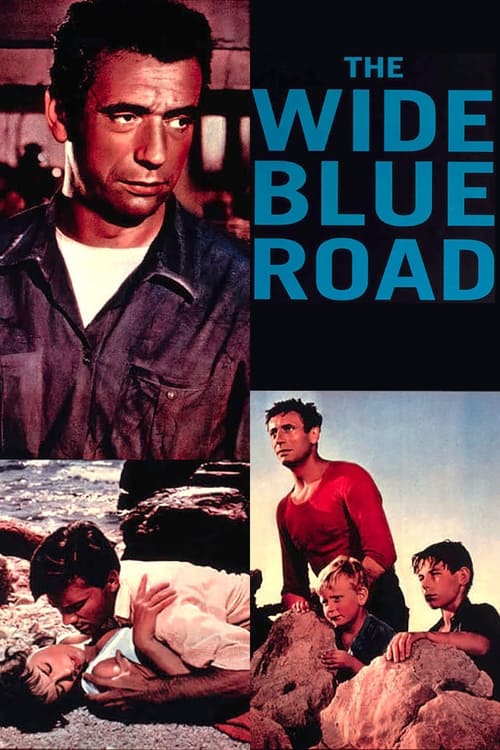
The Wide Blue Road is a gritty drama centered on the socioeconomic struggles of a Dalmatian fishing community. It effectively critiques systemic exploitation and portrays the tension between underrepresented individuals and exploitative economic structures. However, the film lacks diverse representation, particularly in terms of LGBTQ+ identities and characters with disabilities. Gender dynamics are portrayed through a traditional patriarchal family structure. Overall, the film excels in its portrayal of regional identity and class-based struggles, but it could benefit from broader representation.
Category Breakdown
The film does not include any LGBTQ+ characters or narratives. The story revolves around the economic and domestic challenges faced by a traditional fishing family.
The narrative centers on a patriarchal family structure led by Squarciò. While female characters play important roles, their ability to act is not extensively explored. Instead, the film highlights the protagonist's social isolation and the provider archetype.
Set on the Dalmatian coast, the film delves into the unique regional identity of the area. It showcases the class-based conflicts between local fishing communities and outside wholesalers.
The film provides a nuanced look at systemic exploitation. It portrays illegal bomb-fishing as a last resort to cope with oppressive economic conditions and institutional failures.
The film does not feature any characters with visible or invisible disabilities. Disability is not addressed as a theme or character trait.
Present on Screen
Limited or Absent
Official Synopsis
Squarciò, a fisherman, lives with his family on a small island off the Dalmatian coast of Italy. Like his fellow villagers, Squarciò struggles against harsh living conditions, a scarcity of fish in nearby waters and exploitation by the local wholesaler. But while the other fishermen continue to use nets, he goes out to the open sea to fish illegally with bombs. But Squarciò borrows money, loses his boat, and in a moment of supreme desperation, has to bomb directly off-shore, causing the hatred and rejection of his fellow fishermen. Trying to save his family, Squarciò and his young sons sail their new boat out beyond the local waters and bomb-fish again. But this time, the sea exacts a terrible toll…
1949

1957
1961

1960

2021
1954
1962
1971
No reviews yet. Be the first to share your thoughts on this movie!
Use the rating form above to leave a star rating and optional review.