
Smart People
2008
No user ratings available yet
Representation score: 5.1 out of 10
Representation Score
Limited
1994
PGDirector
Fred Schepisi
Runtime
100 minutes
Average Rating
No ratings yetNew Showbiz Analysis
I.Q. is a period-specific romantic comedy that focuses on traditional storylines rather than challenging social norms. Set in 1919, the film explores personal relationships within a mostly homogenous community, avoiding broader societal complexities. The narrative centers on conventional romantic hierarchies and social norms, steering clear of systemic issues or diverse identity perspectives. Ultimately, the film reflects the cinematic conventions of its time, emphasizing a narrow, traditional view of social interactions and community life.
Category Breakdown
The film does not feature any LGBTQ+ characters or narratives. Romantic relationships are exclusively between heterosexual couples, with no hints of non-straight or non-cisgender identities.
The movie follows traditional gender roles where women have social influence but do not challenge patriarchal structures. The film does not question traditional masculinity either.
The cast is primarily made up of white actors, reflecting the 1919 small-town setting. There are no characters of color or discussions about the era's racial issues.
The story is set within a typical Western social framework focusing on community gossip and traditional morals. It avoids any critique of religion or capitalism.
The film does not depict any physical, sensory, or neurodivergent disabilities. Characters are shown as having standard abilities without any representation of lived disability experiences.
Present on Screen
Limited or Absent
Official Synopsis
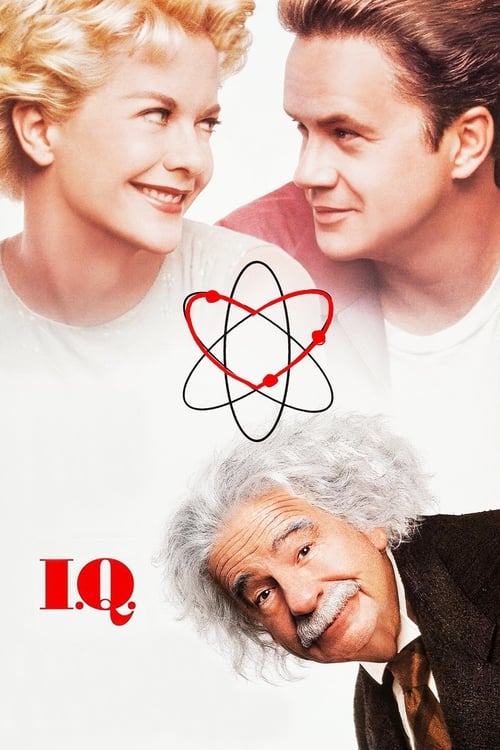
Albert Einstein helps a young man who's in love with Einstein's niece to catch her attention by pretending temporarily to be a great physicist.
2008

1957

1994

1963

2002

1964

2006

1983
No reviews yet. Be the first to share your thoughts on this movie!
Use the rating form above to leave a star rating and optional review.