
Crazy, Stupid, Love.
2011
No user ratings available yet
Representation score: 1.7 out of 10
Representation Score
Good
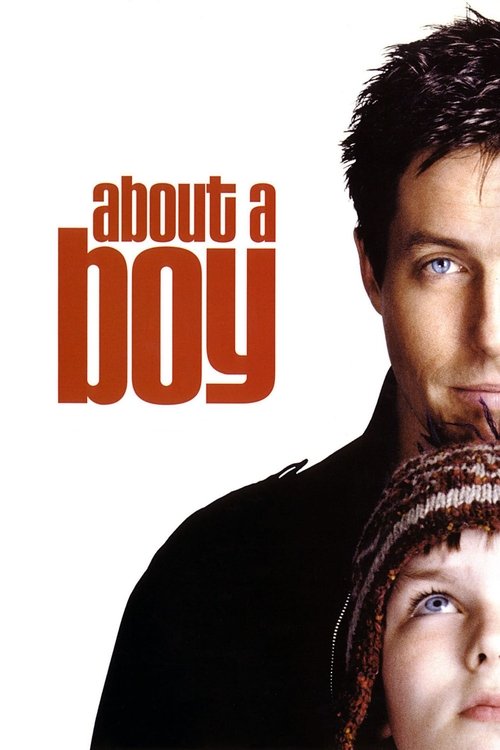
2002
PG-13Director
Chris Weitz, Paul Weitz
Runtime
101 minutes
Average Rating
No ratings yetNew Showbiz Analysis
About a Boy focuses on the emotional growth of its characters, emphasizing interpersonal relationships over typical genre clichés. It successfully dismantles traditional masculine stereotypes while examining the intricacies of unconventional family dynamics. However, the film falls short in representing diverse racial and LGBTQ+ identities. The social context is largely uniform, limiting the range of backgrounds represented. Ultimately, the film excels in showcasing genuine, intricate human connections rather than conforming to idealized social or familial structures.
Category Breakdown
The film does not include any LGBTQ+ characters or explore non-straight relationships. The plot follows a conventional storyline without any queer undertones.
The story challenges traditional masculine stereotypes by shifting the protagonist from a hedonistic lifestyle to one of emotional vulnerability. It passes the Bechdel test through substantial interactions between female characters.
The setting is predominantly white and upper-middle class, with a lack of significant racial or ethnic diversity among the main characters.
The narrative highlights a 'found family' dynamic that contrasts with the traditional nuclear family structure. It addresses the social isolation caused by extreme individualism.
The film presents a realistic depiction of mental health issues through the character of Marcus’s mother. Her struggles are portrayed with psychological depth rather than as mere plot devices.
Present on Screen
Limited or Absent
Official Synopsis
Will Freeman is a good-looking, smooth-talking bachelor whose primary goal in life is avoiding any kind of responsibility. But when he invents an imaginary son in order to meet attractive single moms, Will gets a hilarious lesson about life from a bright, but hopelessly geeky 12-year-old named Marcus. Now, as Will struggles to teach Marcus the art of being cool, Marcus teaches Will that you're never too old to grow up.
2011
2006
1999
2007
1971

1983

2006
2006
No reviews yet. Be the first to share your thoughts on this movie!
Use the rating form above to leave a star rating and optional review.