Call of the Wild
1935
No user ratings available yet
Diversity score: 1.7 out of 10
1940
NRDirector
Cecil B. DeMille
Runtime
126 minutes
Average Rating
No ratings yetSynopsis
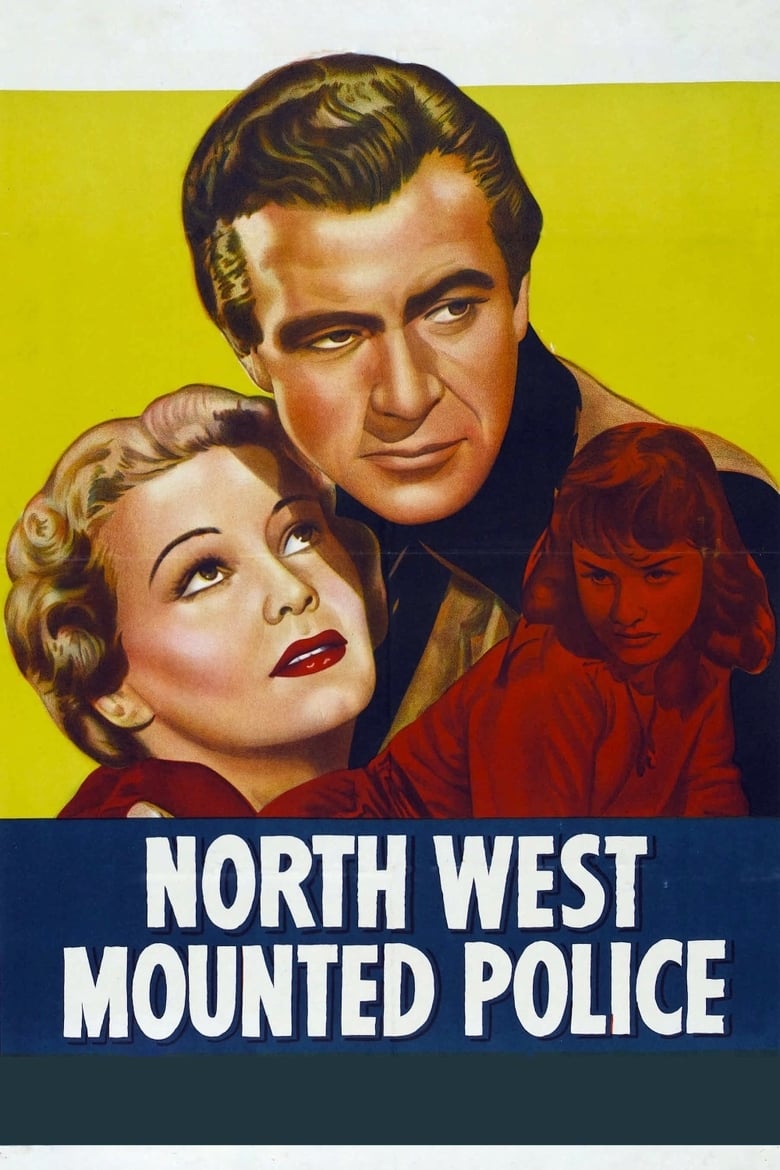
Texas Ranger Dusty Rivers ("Isn't that a contradiction in terms?", another character asks him) travels to Canada in the 1880s in search of Jacques Corbeau, who is wanted for murder. He wanders into the midst of the Riel Rebellion, in which Métis (people of French and Native heritage) and Natives want a separate nation. Dusty falls for nurse April Logan, who is also loved by Mountie Jim Brett. April's brother is involved with Courbeau's daughter Louvette, which leads to trouble during the battles between the rebels and the Mounties. Through it all Dusty is determined to bring Corbeau back to Texas (and April, too, if he can manage it.)
Overall Score
Limited
Category Breakdown
LGBTQ+ Representation
The film operates within a strictly heteronormative framework. There are no depictions of non-cisnormative identities or narratives that challenge traditional romantic structures.
Gender Representation
Masculinity is centered on the physical authority of the police. Female characters like April Logan primarily function as romantic catalysts or supporting figures within emotional spheres.
Racial & Ethnic Diversity
Indigenous and Métis populations are framed through a colonial lens. These groups lack the agency to drive the narrative independently of state-sanctioned law enforcement characters.
Religious & Cultural Diversity
The narrative celebrates Western institutional stability and the expansion of state authority. It promotes the legitimacy of colonial structures and the suppression of rebellion.
Disability Representation
There are no prominent depictions of visible or invisible disabilities that drive the narrative or provide meaningful representation.
Strengths
Areas for Improvement
AI Analysis
Cecil B. DeMille’s epic reinforces traditional social and institutional hierarchies. The film prioritizes the legitimization of state authority and the preservation of conventional power dynamics. While it touches on historical complexities like the Riel Rebellion, it does so through a lens that centers Western colonial stability. The narrative architecture is built around classical heroism and established social structures. This results in a story where diverse groups are managed by central protagonists rather than acting as independent agents of change.
1935

1923
1926
2009
1939
1914
1936
No reviews yet. Be the first to share your thoughts on this movie!
Use the rating form above to leave a star rating and optional review.