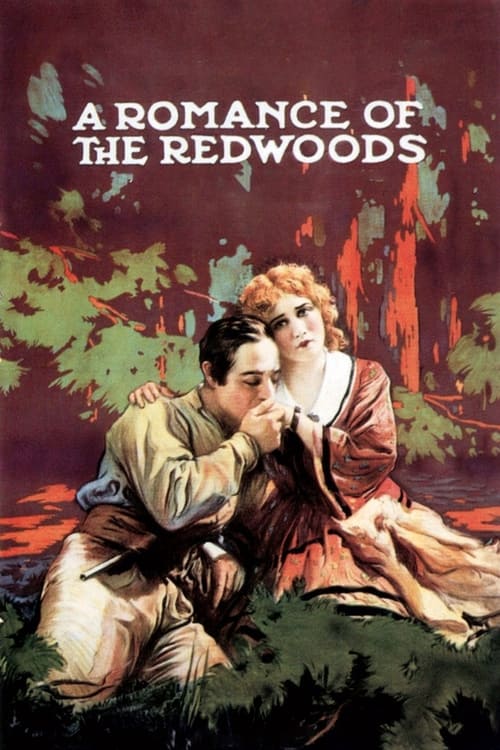
A Romance of the Redwoods
1917
No user ratings available yet
Diversity score: 2.1 out of 10
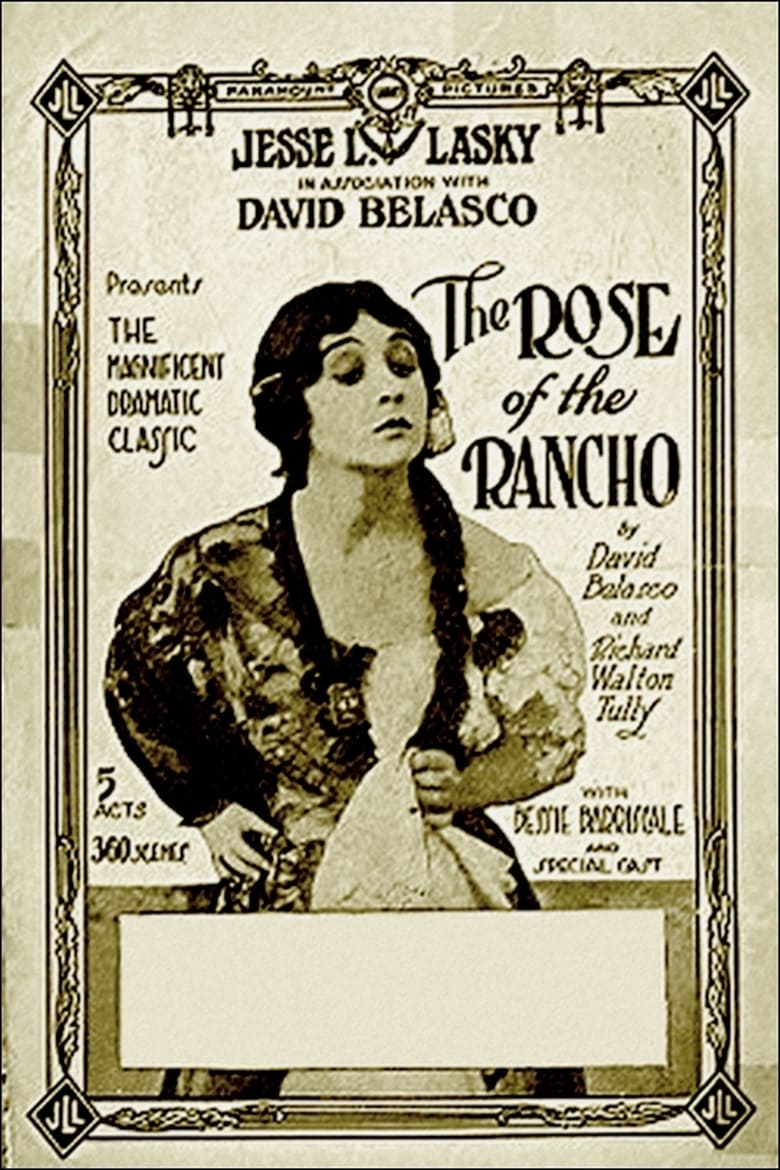
1914
PassedDirector
Cecil B. DeMille
Runtime
50 minutes
Average Rating
No ratings yetSynopsis
Esra Kincaid takes land by force and, having taken the Espinoza land, his sights are set on the Castro rancho. Government agent Kearney holds him off till the cavalry shows up and he can declare his love for Juanita, called “the Rose of the Rancho.”
Overall Score
Limited
Category Breakdown
LGBTQ+ Representation
The film lacks any depiction of non-heteronormative identities. The story focuses entirely on a traditional romantic pursuit between the male protagonist and Juanita.
Gender Representation
Male characters drive the plot through land acquisition and government intervention. Juanita is framed as a symbolic romantic figure rather than an active participant in the conflict.
Racial & Ethnic Diversity
Spanish and Mexican surnames like Espinoza and Castro suggest ethnic intersectionality. However, it remains unclear if these characters possess agency or simply serve as a backdrop.
Religious & Cultural Diversity
The narrative reinforces traditional Western values and frontier expansion. It centers on institutional power, such as the cavalry and government agents, rather than critiquing them.
Disability Representation
There are no visible or invisible disabilities portrayed in the narrative. The characters presented do not include any representation of disability.
Strengths
Areas for Improvement
AI Analysis
The Rose of the Rancho is a quintessential early silent Western that prioritizes traditional archetypes and institutional hierarchies. The plot is driven by male agency, focusing on land disputes and military intervention, which leaves little room for diverse perspectives. While the setting and character names hint at the ethnic complexities of the American West, the film appears to reinforce colonial and frontier expansionist tropes. The female lead is relegated to a romanticized, passive role, further cementing conventional gender roles of the era. Ultimately, the film serves as a standard example of early 20th-century storytelling, emphasizing established social orders and romanticized tropes over nuanced or subversive representation.
1917
1940
1915
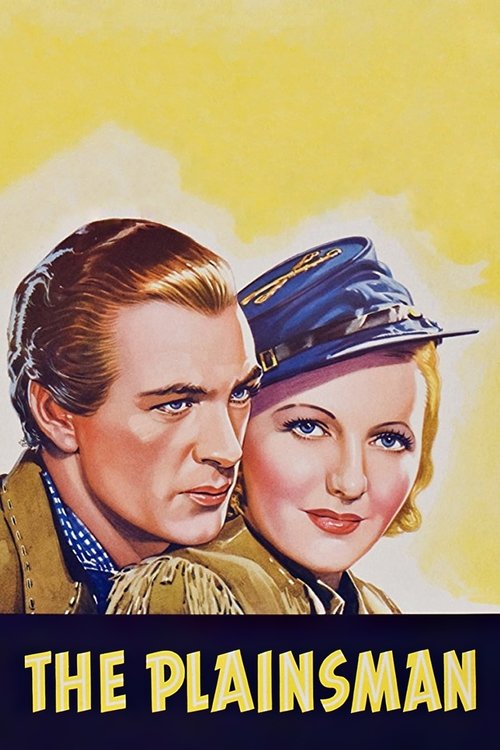
1936
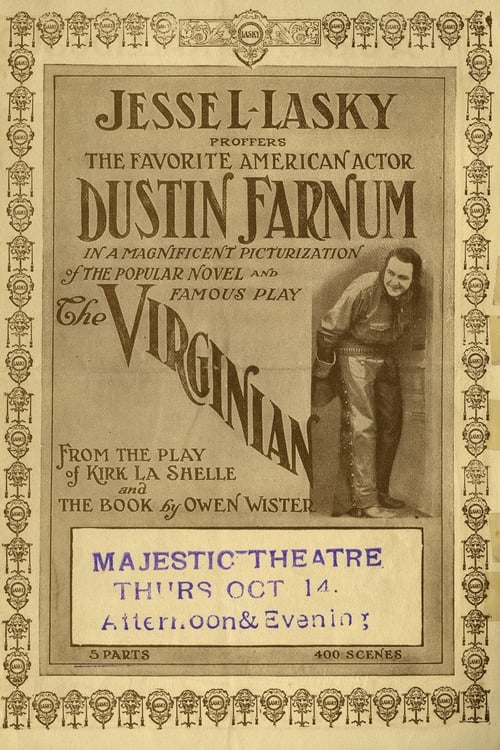
1914
No reviews yet. Be the first to share your thoughts on this movie!
Use the rating form above to leave a star rating and optional review.