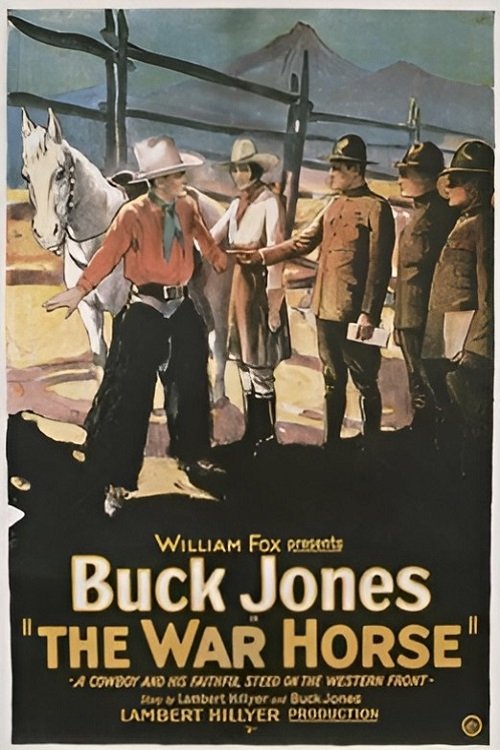
The War Horse
1927
No user ratings available yet
Diversity score: 2.4 out of 10
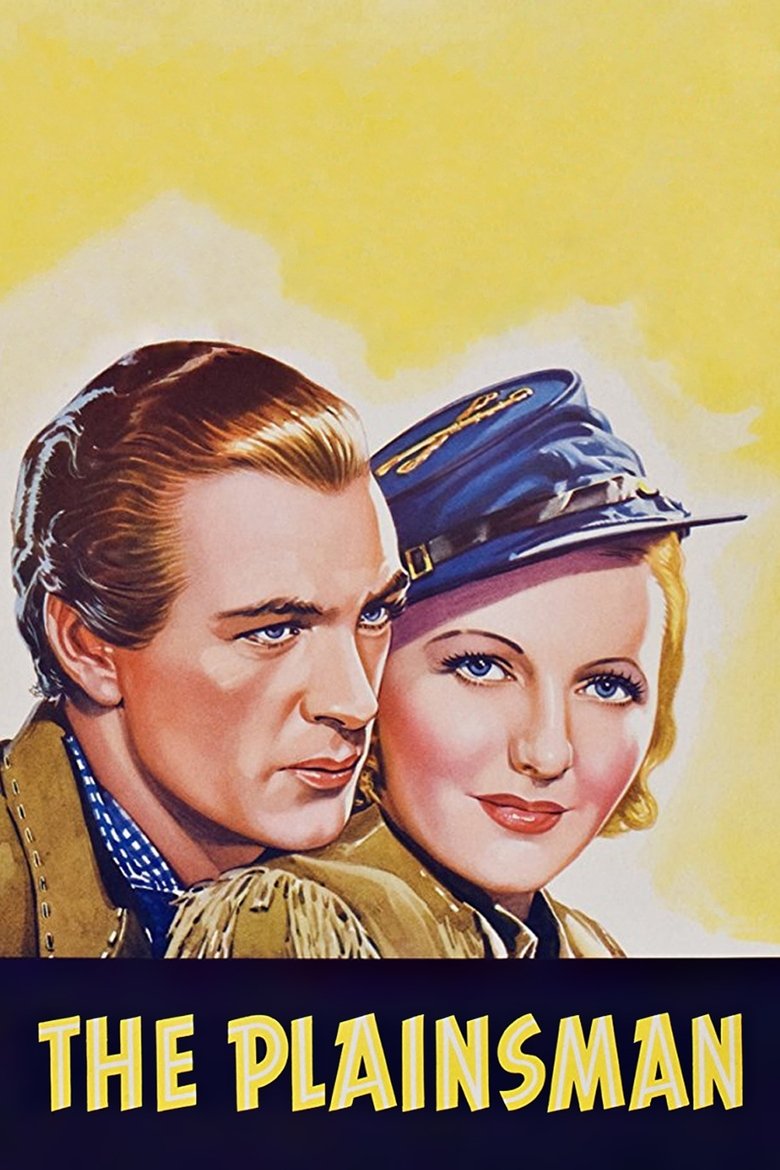
1936
NRDirector
Cecil B. DeMille
Runtime
113 minutes
Average Rating
No ratings yetSynopsis
Wild Bill Hickok, Calamity Jane, and Buffalo Bill go up against Indians and a gunrunner.
Overall Score
Minimal
Category Breakdown
LGBTQ+ Representation
The film contains no discernible LGBTQ+ characters or explorations of non-heteronormative identities. Romantic arcs are strictly centered on traditional courtship and heteronormative pairings.
Gender Representation
Narrative agency is concentrated almost exclusively in male protagonists like Wild Bill Hickok. While Calamity Jane is a notable figure, her role remains tethered to the romantic interests of the male leads.
Racial & Ethnic Diversity
Native American populations are depicted through archetypal tropes common to the era. Rather than providing nuanced portrayals, the narrative positions Indigenous characters as obstacles to the protagonists' expansionist goals.
Religious & Cultural Diversity
The story emphasizes frontier justice, personal honor, and the sanctity of the individual hero. It celebrates the establishment of order within a capitalist, expansionist framework without offering moral relativism.
Disability Representation
There is no significant depiction of physical, sensory, or neurodivergent identities within the primary cast or character arcs.
Strengths
Areas for Improvement
AI Analysis
The Plainsman functions as a reinforcement of established frontier hierarchies and classical moral structures. It prioritizes the traditionalist storytelling of the 1930s, focusing on the triumph of individual heroes within a colonial-era framework. The film lacks the intentionality required to disrupt systemic norms. Instead, it validates the cultural and moral frameworks of the early 20th-century American West through a singular, binary moral compass. Representation is largely homogeneous, adhering to the social constraints of its era. The narrative architecture serves to uphold conventional gender roles and expansionist ideals rather than exploring intersectional depth.
1927
1914
1940
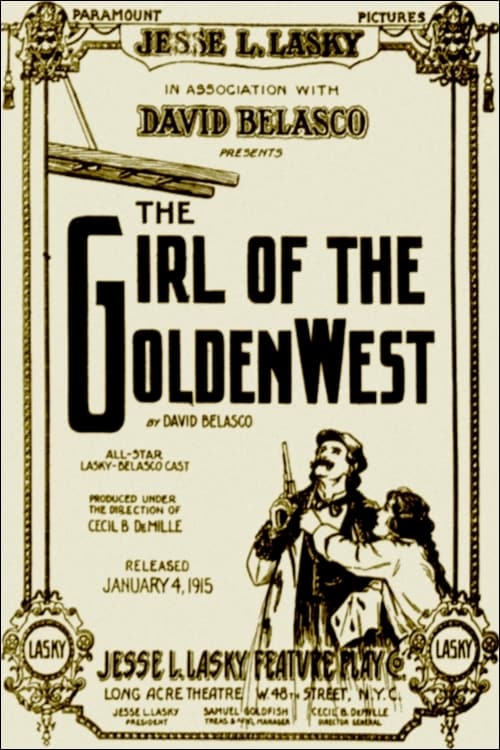
1915
No reviews yet. Be the first to share your thoughts on this movie!
Use the rating form above to leave a star rating and optional review.