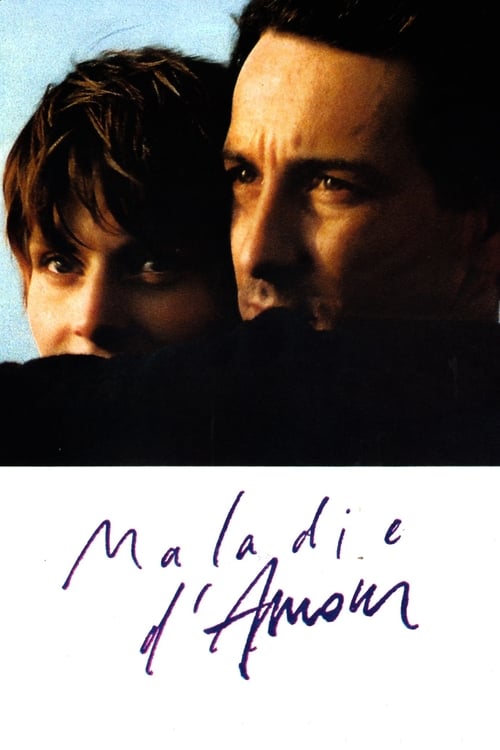
Malady of Love
1987
No user ratings available yet
Diversity score: 2.8 out of 10
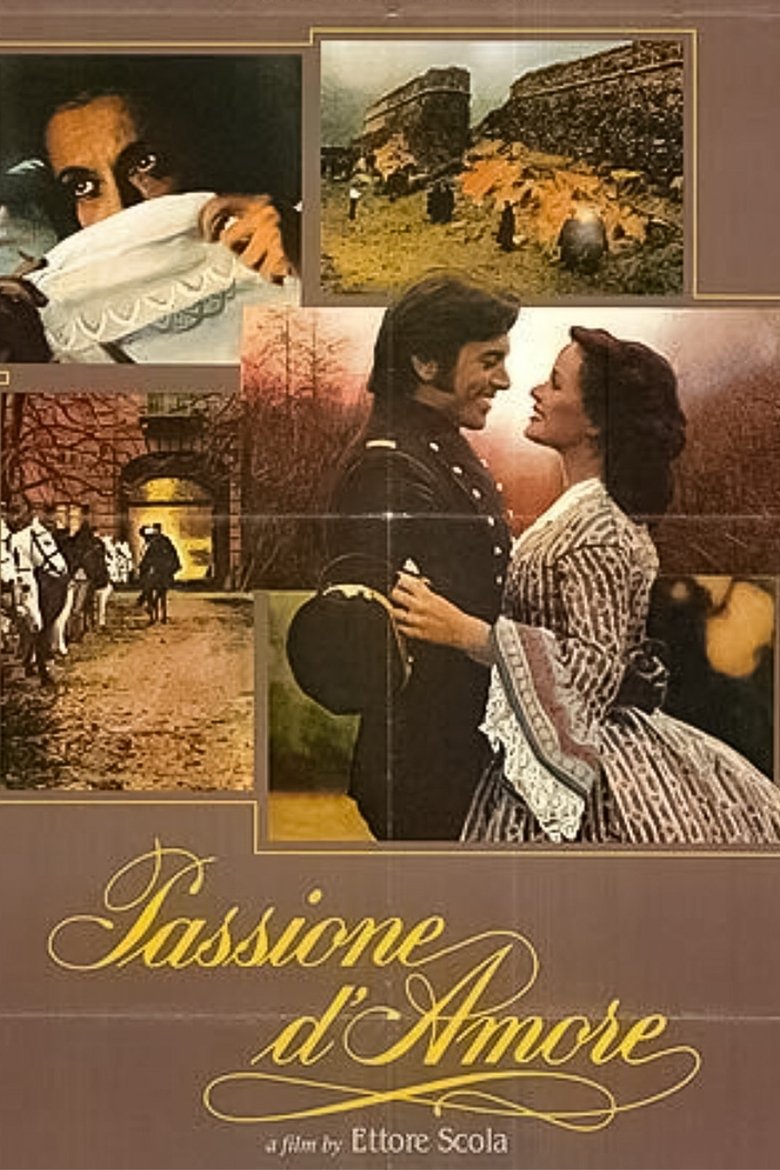
1981
Director
Ettore Scola
Runtime
117 minutes
Average Rating
No ratings yetSynopsis
In the 1860's, Giorgio (Giraudeau), a young Italian soldier is sent to a remote post, far away from his lover, Clara (Antonelli). He is lodged in the house of the colonel (Girotti). He becames friends with the colonel and the local doctor (Trintignant). Among the inhabitants of the house, there is a strange young woman - Fosca (d'Obici) who is both unattractive and mad. However, she has a passion that Giorgio will have to cope with.
Overall Score
Fair
Category Breakdown
LGBTQ+ Representation
The film centers on the romantic entanglements of a central trio. It lacks explicit depictions of non-cisnormative identities or same-sex intimacy, remaining within a traditional heteronormative framework.
Gender Representation
Fosca disrupts the trope of the passive female through her obsessive and psychologically dominant presence. However, male characters still hold the primary positions of social and institutional authority.
Racial & Ethnic Diversity
Set in 1860s Italy, the cast reflects the demographic homogeneity of the era. There is no significant racial blending within the primary character arcs.
Religious & Cultural Diversity
The narrative emphasizes subjective emotional truths over rigid religious doctrine. It deconstructs a perfectly ordered society by focusing on the irrational drives of its characters.
Disability Representation
Fosca is portrayed with psychological complexity, described as mad. While the film avoids simple mockery, it risks using her instability primarily as a narrative catalyst for conflict.
Strengths
Areas for Improvement
AI Analysis
Ettore Scola’s historical drama prioritizes psychological depth and the deconstruction of social decorum over demographic breadth. The film succeeds in challenging 19th-century social structures through the lens of individual obsession. While the work lacks intersectional representation regarding race or LGBTQ+ identities, it offers a nuanced look at agency. The character of Fosca is particularly vital, as she subverts traditional feminine expectations through her disruptive behavior. Ultimately, the film is a study of human passion that favors chaotic, subjective truths over the rigid institutional frameworks of the 1860s.
1987
1998
1952
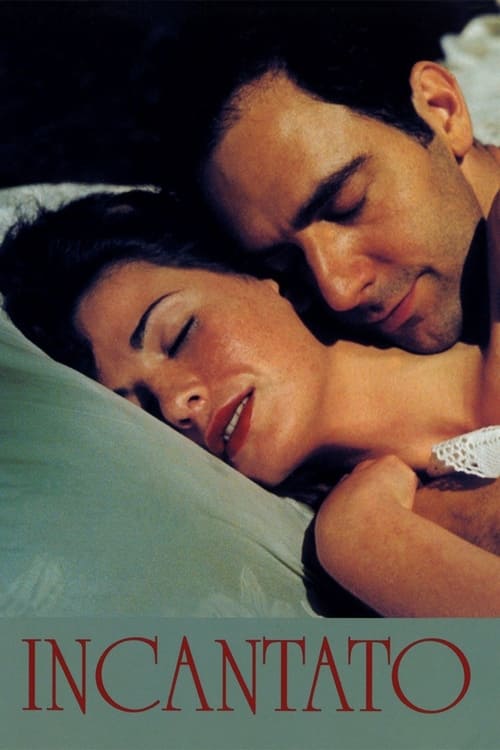
2003
1986

1994

1981
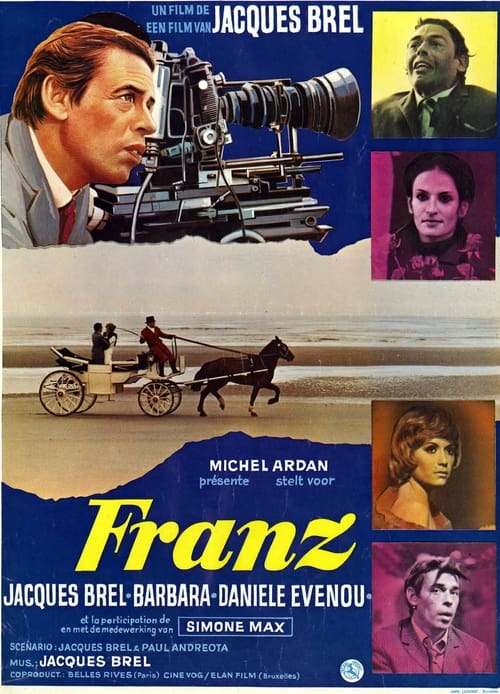
1972

1984
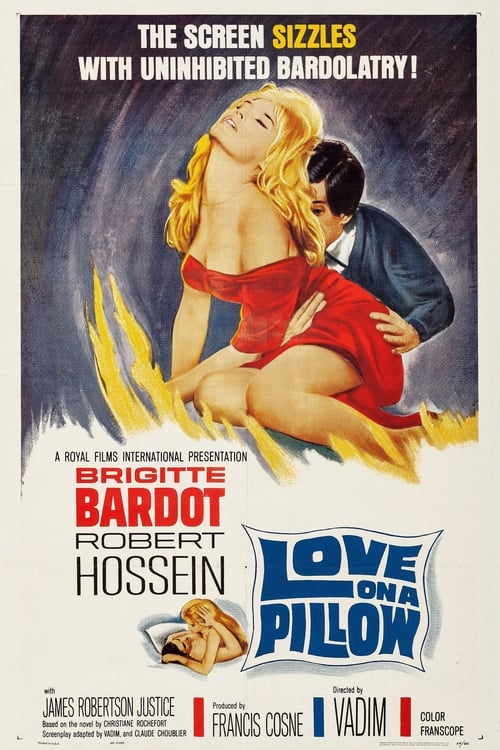
1962

1984

1989
No reviews yet. Be the first to share your thoughts on this movie!
Use the rating form above to leave a star rating and optional review.