Felix the Ghost Breaker
1923
No user ratings available yet
Representation score: 0.8 out of 10
Representation Score
Minimal
1934
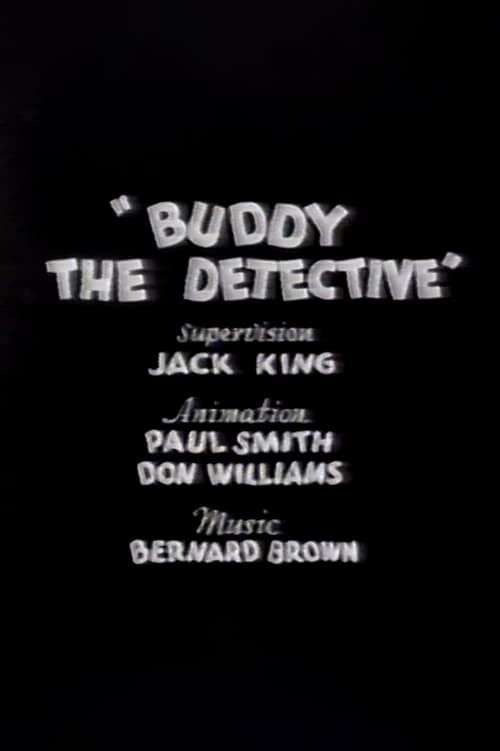
ApprovedDirector
Jack King
Runtime
8 minutes
Average Rating
No ratings yetNew Showbiz Analysis
Buddy the Detective is a product of its era, leaning heavily into the slapstick and surrealist traditions of early American animation. The narrative relies on established genre clichés, such as the 'Mad Doctor' archetype and kidnapping plots, to drive its comedic and horror elements. The film reinforces the social hierarchies of the 1930s. Characters are defined by traditional roles, with the female lead serving as a passive figure in a plot driven by male protagonists and antagonists. Ultimately, the work lacks complexity in reflecting multiple aspects of identity. It prioritizes high-concept melodrama and conventional clichés over nuanced character studies or social subversion.
Category Breakdown
The film follows a strictly heterosexual romantic storyline between Buddy and Cookie. There are no characters with non-cisgender identities.
Gender roles are traditional and hierarchical. Cookie is kidnapped and hypnotized, serving as a passive object of the plot, while male characters drive the action.
The film lacks a diverse cast and adheres to the homogeneous casting standards of 1930s animation. It does not challenge racial clichés.
The story relies on Western archetypes like the 'Mad Doctor' and focuses on individualistic conflict. It operates within standard moral frameworks without critiquing broader societal issues.
Hypnosis is used as a comedic or horror plot device. This approach risks trivializing mental or neurological conditions.
Present on Screen
Limited or Absent
Official Synopsis
We're introduced to a Mad Doctor-type who's bored with just playing the piano by himself on the same dirge. So he kidnaps Buddy's girlfriend, Cookie, by hypnotizing her over the phone before making her play the same thing!
1923
1937

1933
1931
1933
1933
1930

1931
No reviews yet. Be the first to share your thoughts on this movie!
Use the rating form above to leave a star rating and optional review.