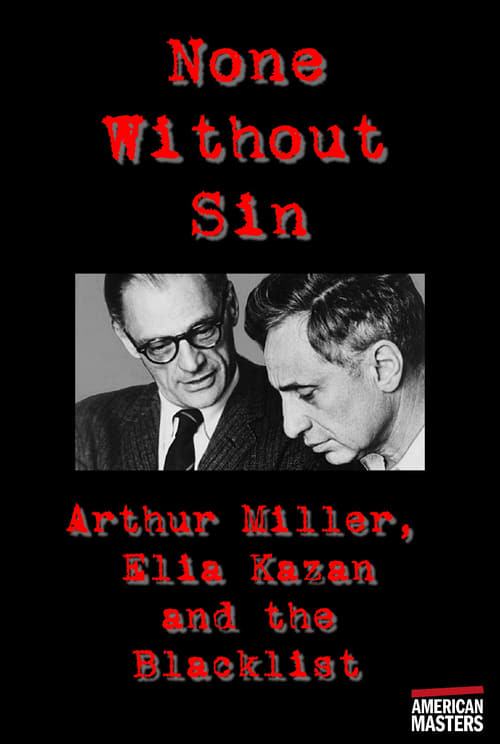
Arthur Miller, Elia Kazan and the Blacklist: None Without Sin
2003
No user ratings available yet
Representation score: 4.8 out of 10
Representation Score
Fair
1976
Not RatedDirector
David Helpern
Runtime
105 minutes
Average Rating
No ratings yetNew Showbiz Analysis
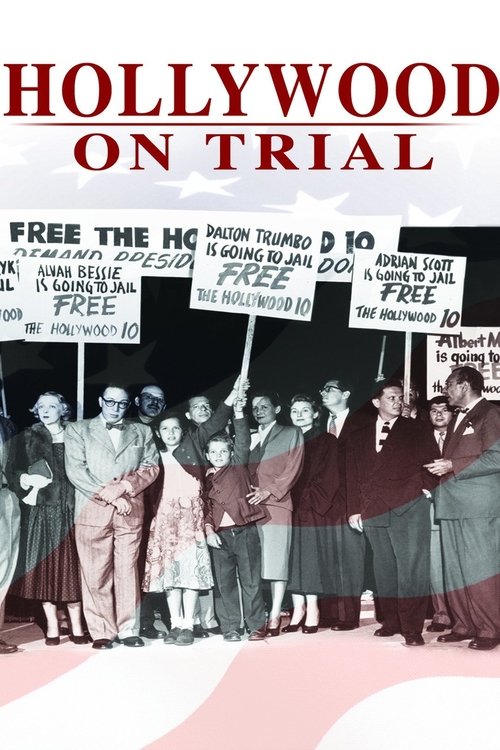
Hollywood on Trial primarily serves as a political and institutional critique. It effectively dismantles the authority of the House Committee on Un-American Activities, showcasing the tension between state and individual freedoms. However, the film’s focus on a specific group of male political figures limits its exploration of broader issues related to gender and sexual orientation. While it addresses systemic pressures, the narrative remains centered on political affiliation rather than a wide range of diverse identities.
Category Breakdown
The film focuses on political blacklisting and freedom of speech rather than LGBTQ+ identities. There is no direct representation of LGBTQ+ individuals in the story.
The story centers on male-dominated political and creative spaces. Female characters play minor roles, and there is no challenge to traditional gender hierarchies.
The documentary explores systemic exclusion during the McCarthy era, but the main subjects are white. It highlights how institutional power dynamics affected people during this time.
The film offers a strong critique of traditional Western institutions and state authority. It emphasizes the tension between individual rights and government-mandated conformity.
There is no discernible evidence regarding the portrayal of physical or neurodivergent disabilities in this production.
Present on Screen
Limited or Absent
Official Synopsis
A detailed look at the events leading up to the blacklisting of Hollywood writers and artists. In October 1947 nineteen Hollywood personalities were subpoenaed by the House Committee on Un-American Activities to testify about their knowledge or possible involvement in the American Communist Party. The first ten to be called refused to cooperate, claiming their first amendment rights, were cited for contempt of Congress and sent to prison. They became known as the "Hollywood Ten" and this is their story.
2003
1991
1983
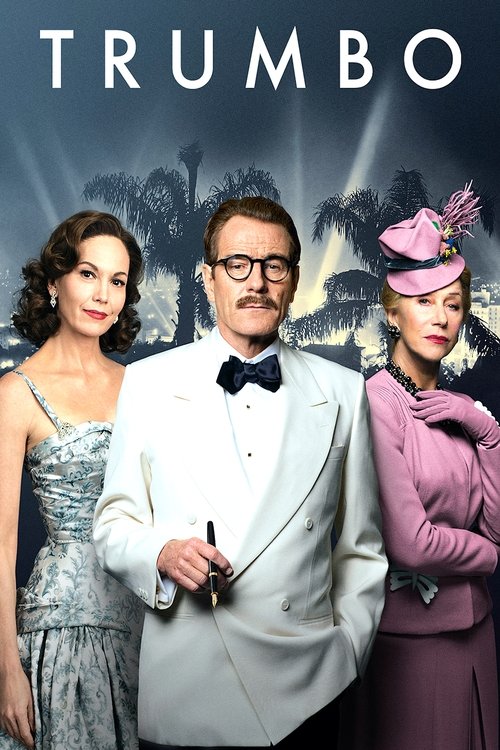
2015
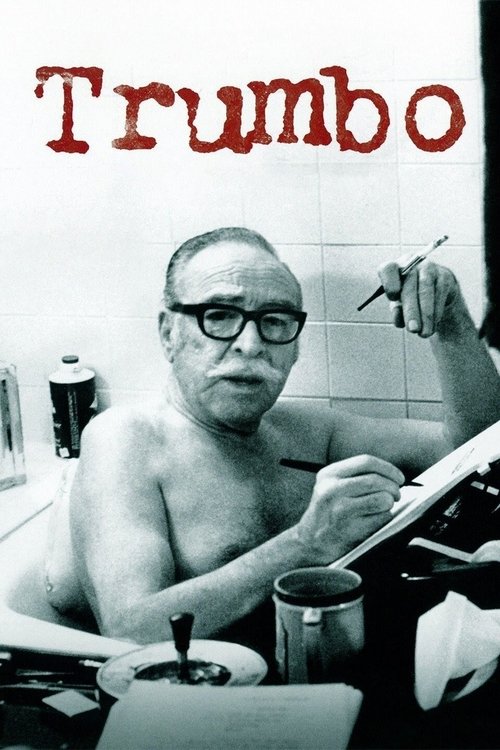
2007
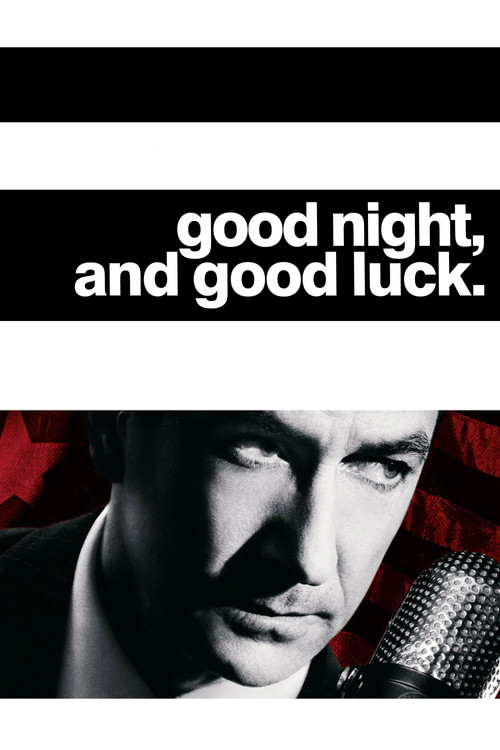
2005
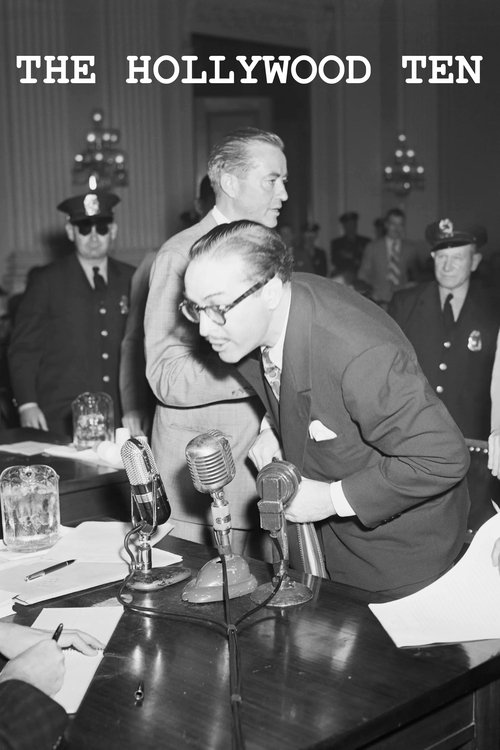
1950
2002
No reviews yet. Be the first to share your thoughts on this movie!
Use the rating form above to leave a star rating and optional review.