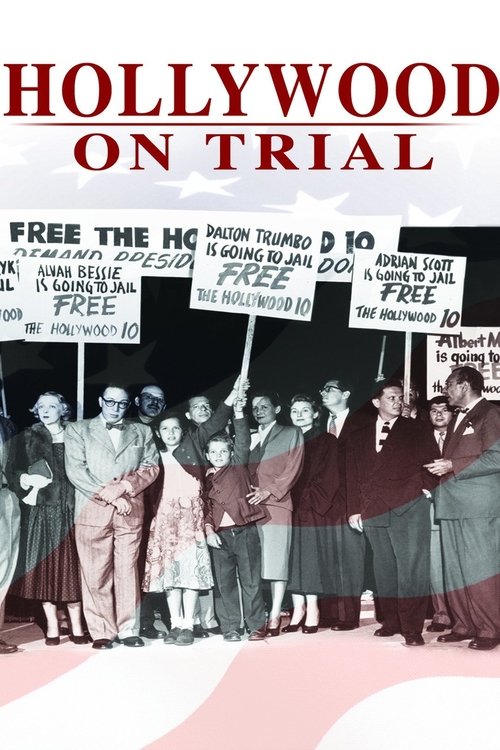
Hollywood on Trial
1976
No user ratings available yet
Representation score: 5.0 out of 10
Representation Score
Fair
2003
TV-14Director
Michael Epstein
Runtime
120 minutes
Average Rating
No ratings yetNew Showbiz Analysis
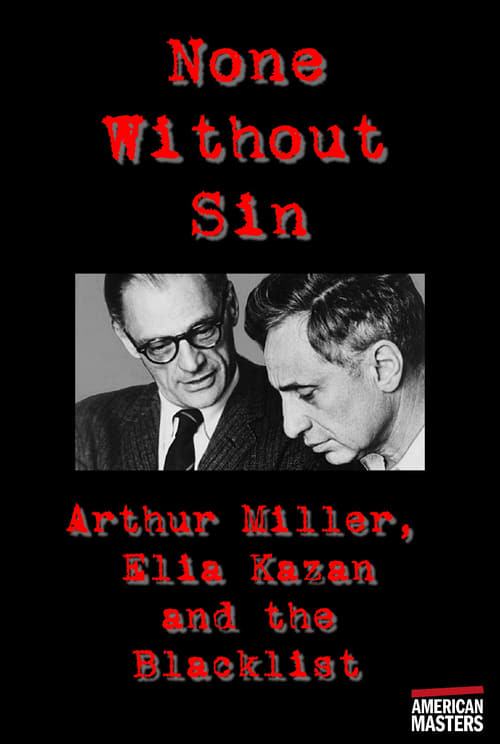
This documentary primarily serves as a political and historical critique of institutional power during the McCarthy era. It centers on the ideological conflict between Arthur Miller and Elia Kazan, using their broken friendship to explore the moral dilemmas of the Hollywood Blacklist. While the film does not delve deeply into visible identity politics, it offers a progressive framework by deconstructing state-sponsored conformity. It reframes the Red Scare as a disruption of individual liberty rather than a simple political event. The focus remains heavily on male-dominated intellectual history, which limits its engagement with gender and queer-specific narratives despite its broader themes of systemic persecution.
Category Breakdown
The film explores the era's climate of persecution targeting non-conforming identities. It doesn't feature explicit, character-driven LGBTQ+ stories, focusing instead on the broader systems enforcing social uniformity.
The narrative focuses on male intellectual and political figures such as Miller and Kazan. It does not actively center female roles or challenge traditional gender hierarchies.
The documentary recognizes the intersection of racial and ethnic identities in mid-20th-century cultural changes. However, it does not prioritize diverse casting as a primary narrative driver.
The film critically examines Western institutions, portraying the HUAC as an oppressive tool. It frames the Red Scare as a systemic effort to suppress individual freedom.
There is no significant depiction of physical or neurodivergent disabilities within this historical context.
Present on Screen
Limited or Absent
Official Synopsis
Director Elia Kazan and playwright Arthur Miller were once best friends and professional colleagues, to most that knew them then in both capacities as soul mates. Their politics were similar which was reflected in their work. Kazan was a Communist Party member for a few years in the mid-1930's, but Miller never officially joined the party ranks. Their relationship changed in the early 1950's when Kazan was subpoenaed to testify in front of the House Un-American Activities Committee where he named names of Communist Party members past and present.
1976
1991
1983
2015
2015
2005
2007
1970
No reviews yet. Be the first to share your thoughts on this movie!
Use the rating form above to leave a star rating and optional review.