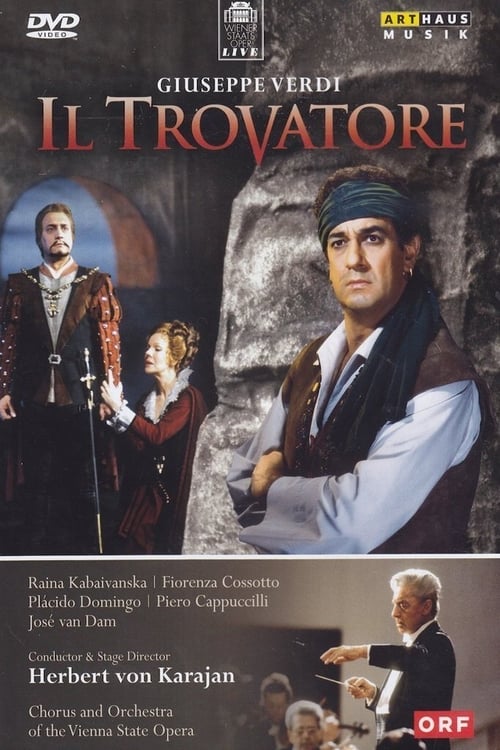
Il Trovatore - Verdi
1978
No user ratings available yet
Representation score: 3.0 out of 10
Representation Score
Limited
1986
PGDirector
Franco Zeffirelli
Runtime
118 minutes
Average Rating
No ratings yetNew Showbiz Analysis
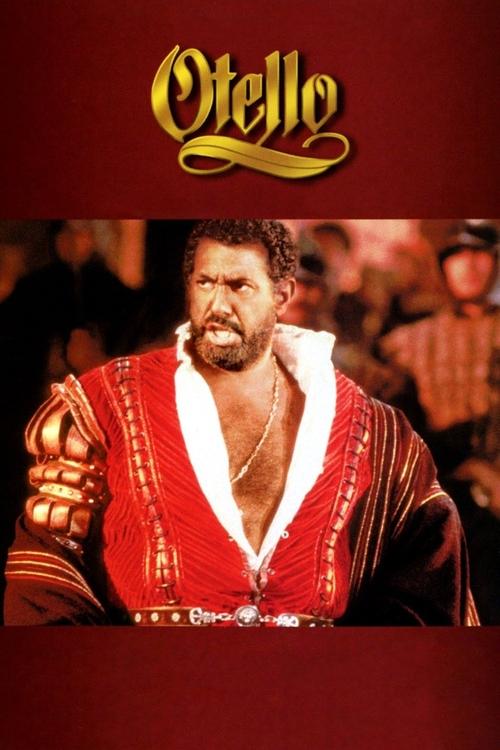
Zeffirelli’s adaptation stands out by featuring a non-white protagonist in a historical setting, offering racial visibility. However, the film maintains traditional tragic structures where women are portrayed as passive victims. Ultimately, the film is a psychological exploration of individual collapse without a broader critique of the social or cultural norms that shape its characters.
Category Breakdown
The film adheres to traditional heterosexual relationships and does not include any queer subtexts or non-cisgender identities.
Desdemona is shown as a passive, tragic figure who triggers male psychological breakdowns. The film emphasizes traditional portrayals of women as victims.
The film highlights a Black lead character who is a Moor in a predominantly European military environment. It examines the complexities of his high rank and precarious social position.
The story focuses on individual moral failings within a classical moral framework. It uses the Venetian aristocracy as a backdrop for personal stories rather than critiquing societal structures.
There are no significant depictions of physical or neurodivergent disabilities that play a central role in the character arcs or the narrative.
Present on Screen
Limited or Absent
Official Synopsis
Based on Shakespeare's play, Verdi's opera depicts the devastating effects of jealousy, "...the green-eyed monster which doth mock the meat it feeds upon". Believing Otello has promoted the fast-rising Cassio over himself, Iago plots to destroy both Cassio and Otello. Iago convinces the jealous Otello that his beautiful wife Desdemona is unfaithful, and that Cassio is her lover. Jealousy is followed by tragedy, then retribution, "Has Heaven no more thunderbolts?"
1978
1951
1982
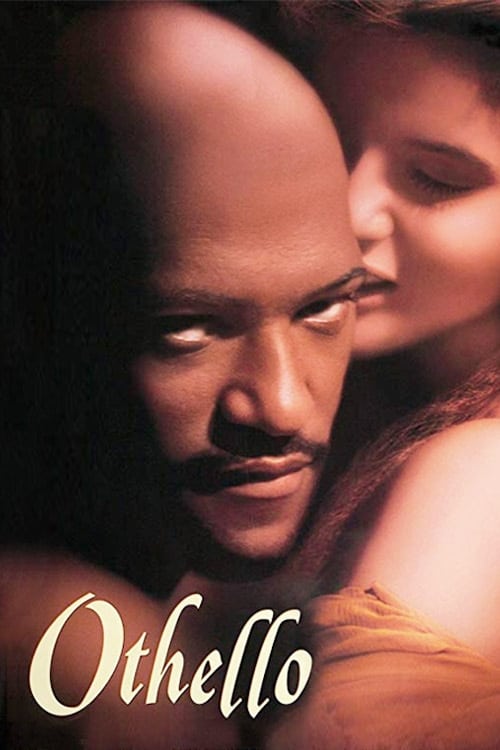
1995
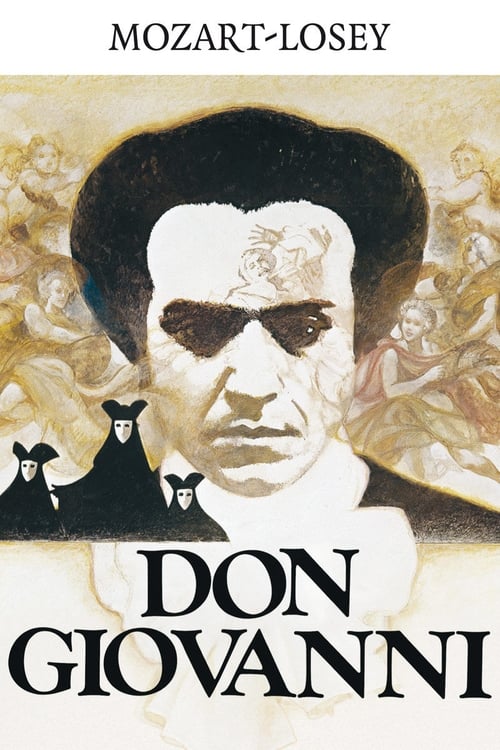
1979
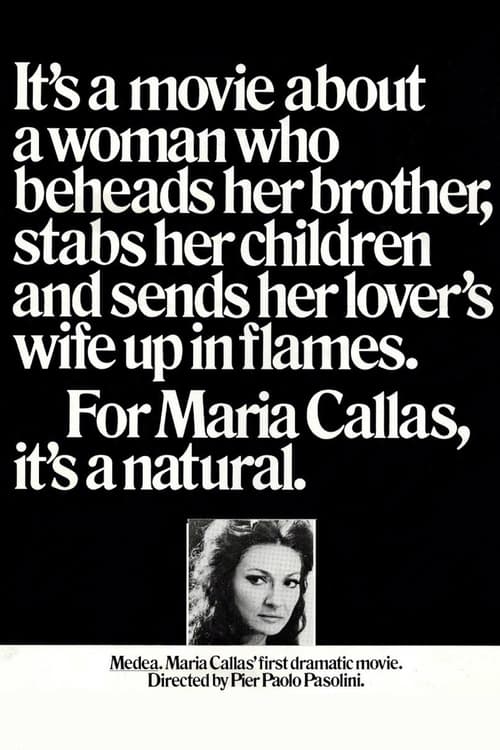
1969

1922
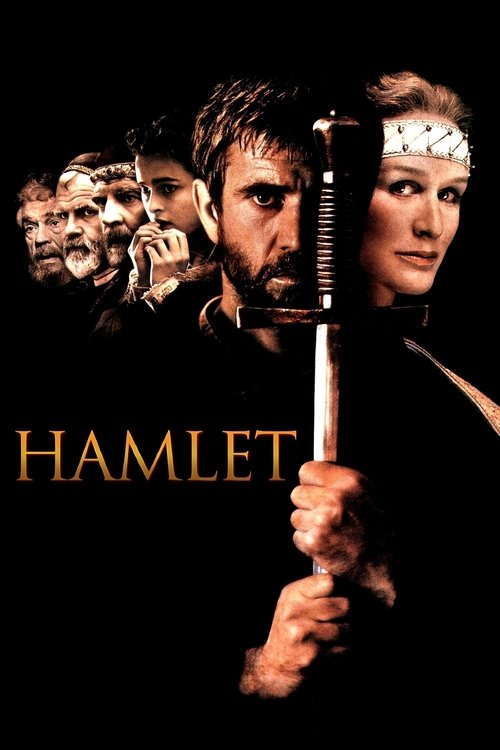
1990
No reviews yet. Be the first to share your thoughts on this movie!
Use the rating form above to leave a star rating and optional review.