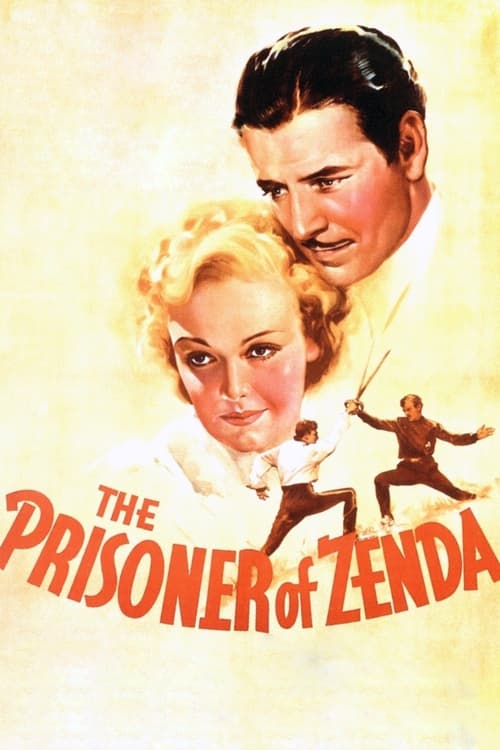
The Prisoner of Zenda
1937
No user ratings available yet
Representation score: 0.4 out of 10

Representation Score
Minimal
1946
NRDirector
Arthur Crabtree
Runtime
117 minutes
Average Rating
No ratings yetNew Showbiz Analysis
Caravan is a mid-century period piece that adheres closely to the social and cinematic constraints of 1946. It functions as a traditional adventure-romance, prioritizing established Western clichés over any subversion of social hierarchies. The film relies heavily on an Orientalist lens, casting Western actors in non-Western settings. This approach prioritizes exoticism over authentic cultural or ethnic representation, a common characteristic of the genre during this era. Ultimately, the narrative reinforces existing power structures. From its heterosexual and cisgender romantic framework to its reactive female characters, the film serves as a standard example of mid-century British studio production.
Category Breakdown
The film follows a strictly heterosexual and cisgender structure. There are no representations of LGBTQ+ identities or same-sex relationships.
Female characters like Oriana and Rosal play key roles in the plot but are mostly reactive. The story reinforces traditional gender roles through classic clichés of the saved heroine.
The production features a predominantly white European cast portraying Middle Eastern characters. This reflects the era's approach to exoticism rather than authentic ethnic representation.
The narrative focuses on Western storytelling conventions, emphasizing class-based conflicts and individualistic romance. It reinforces traditional notions of honor and social standing.
Amnesia is used strictly as a melodramatic plot device to trigger identity shifts. The condition lacks any nuanced exploration of neurodivergence or lived experience with disability.
Present on Screen
Limited or Absent
Official Synopsis
During the last half of the 19th century writer Richard Darrell saves Don Carlos from two robbers, and is entrusted by Don Carlos to take a valuable necklace to Spain. Richard leaves his fiancé, Oriana, and starts the trip. He meets Wycroft, a henchman for Sir Francis Castteldow, an aristocrat out to steal Oriana from Richard. The latter is assaulted, robbed and nearly killed and, as a result, loses his memory. He marries a gypsy girl, Rosal, while Oriana, thinking him dead marries the dastardly Sir Francis. Everybody will meet again. Complications will arise.
1937
1959
1963
1959

1964
1932
1919
1952
No reviews yet. Be the first to share your thoughts on this movie!
Use the rating form above to leave a star rating and optional review.