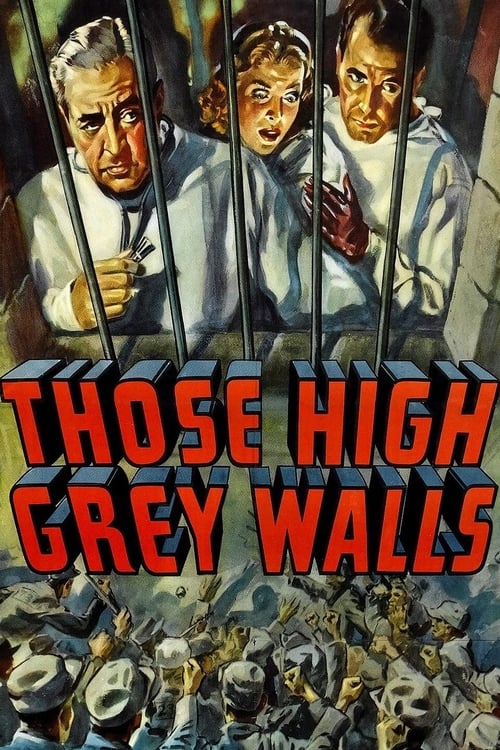
Those High Grey Walls
1939
No user ratings available yet
Representation score: 3.0 out of 10
Representation Score
Minimal
1939
ApprovedDirector
Lewis D. Collins
Runtime
60 minutes
Average Rating
No ratings yetNew Showbiz Analysis
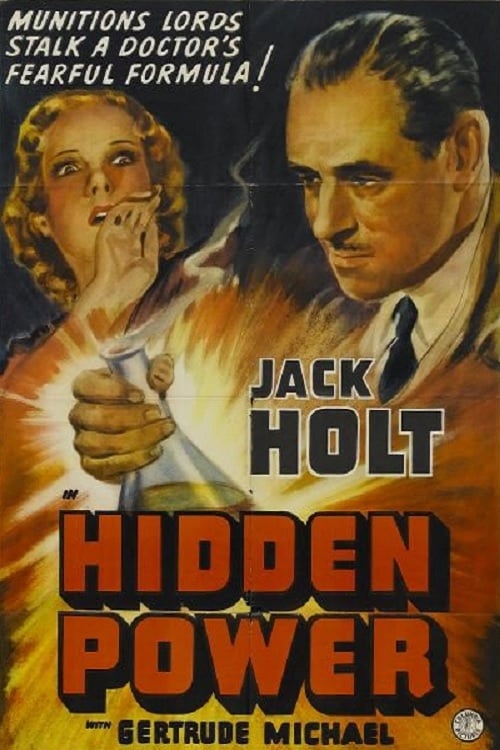
Hidden Power is a mid-century domestic drama that adheres strictly to the conventional storytelling of 1939. The narrative structure prioritizes a singular, homogeneous social perspective centered on a traditional nuclear family. The film's conflict stems from professional obsession, reinforcing era-specific gender hierarchies. While the female lead exercises some control over her life through divorce, the primary momentum is driven by the male protagonist's intellectual pursuits. Ultimately, the film lacks depth in exploring multiple aspects of identity, focusing instead on individual moral failings rather than broader cultural or systemic issues. It functions as a standard period piece of its time.
Category Breakdown
The film focuses on a traditional nuclear family structure and does not include any non-straight or non-cisgender identities or critiques of the assumption that everyone is straight or cisgender.
Dr. Garfield drives the plot through professional ambition, while Virginia reacts to her circumstances. Her decision to divorce shows some control over her life, but the overall hierarchy remains traditional.
The narrative centers on a specific domestic unit without mentioning multi-ethnic elements. There is no indication of a diverse or non-Anglo-Saxon cast.
The story emphasizes Western values regarding family stability and scientific progress. It frames conflict as a personal moral failing rather than a broader systemic issue.
Medical research into severe burns serves as a plot device for obsession. There is no evidence of characters with disabilities playing a leading role in the story.
Present on Screen
Limited or Absent
Official Synopsis
Dr. Garfield gets so involved in his research for an antitoxin for severe burns that he completely neglects his wife, Virginian, and their young son, Steve. Virginia divorces him and takes the son with her. Their paths cross again in a life-or-death situation.
1939
1931
1931
1940
1936
1938
1939
1933
No reviews yet. Be the first to share your thoughts on this movie!
Use the rating form above to leave a star rating and optional review.