The Devil in the Hills
1985
No user ratings available yet
Representation score: 3.2 out of 10
Representation Score
Limited
1978
RDirector
Tonino Cervi
Runtime
105 minutes
Average Rating
No ratings yetNew Showbiz Analysis
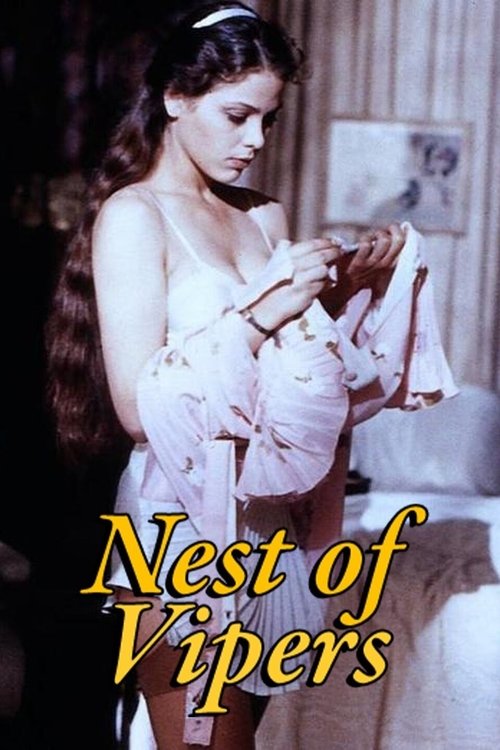
Nest of Vipers is a period-specific genre piece that operates within established social and cinematic conventions. It emphasizes the psychological tensions within a homogeneous, high-socioeconomic environment, prioritizing traditional power dynamics over diverse representation. The film adheres to conventional genre formulas, such as portraying female characters as emotionally vulnerable. It focuses on individual moral failures within a narrow, Eurocentric social context, offering limited disruption to existing social hierarchies.
Category Breakdown
The film does not include any visible LGBTQ+ identities or same-sex relationships. Instead, it focuses on traditional romantic relationships within a privileged social setting.
Female characters are primarily portrayed as emotionally vulnerable and distressed. They play key roles in the emotional storyline but often serve as subjects of tension rather than as active drivers of change.
The cast is predominantly white and reflects the social structure of 1970s Italy. There is no significant racial diversity or representation of non-European cultures.
The narrative examines the moral decay of the upper class through personal interactions. However, it focuses on individual moral failures rather than systemic issues.
Themes of psychological instability and paranoia are used as plot devices to create suspense. The film does not provide nuanced representations of mental health conditions or disability.
Present on Screen
Limited or Absent
Official Synopsis
A background of rising fascism in Venice in 1930s. A music-student, Matthias, mixes with the town's bourgeoisie and falls in love with a mature teacher, Carla, the mother of his friend Renato, and then with his young colleague, Elena.
1985
1976

1973
1972
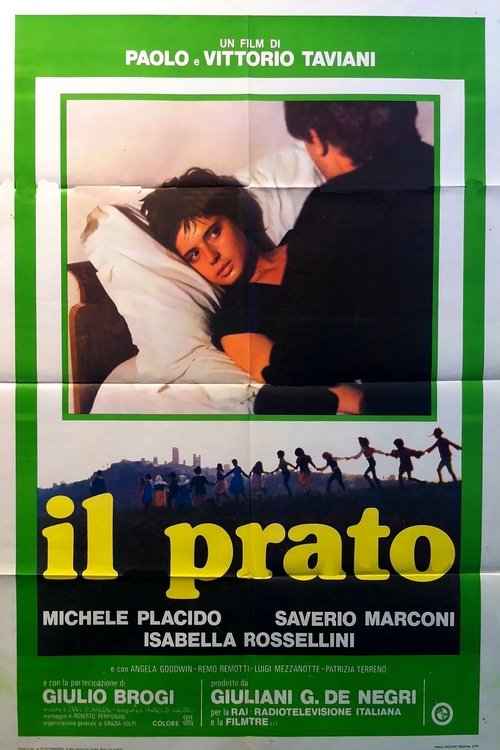
1979
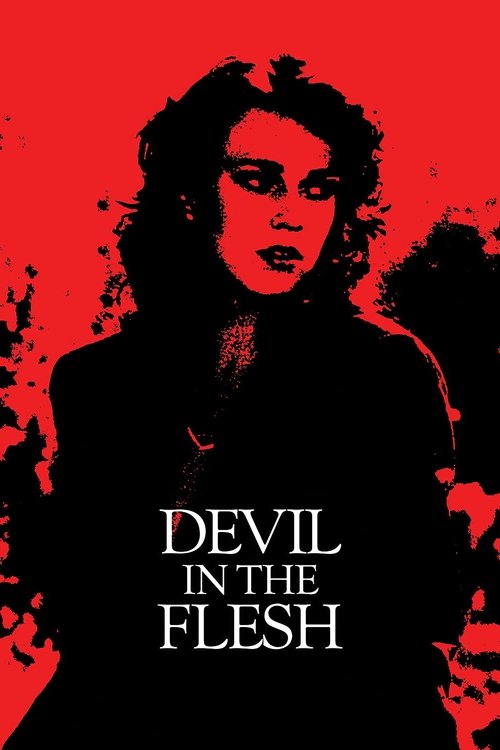
1986
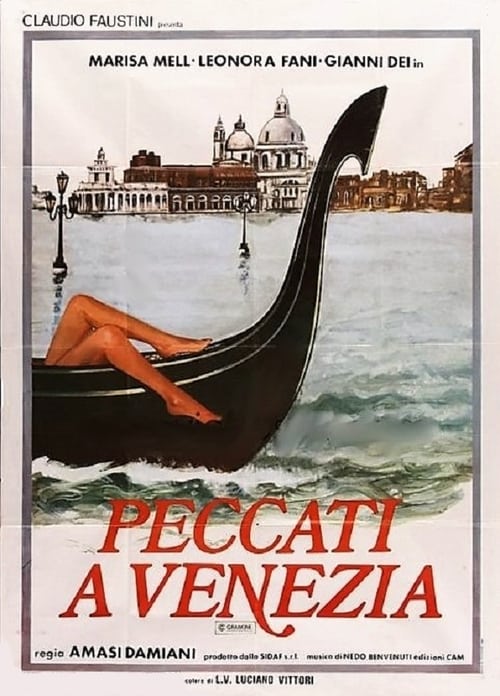
1980
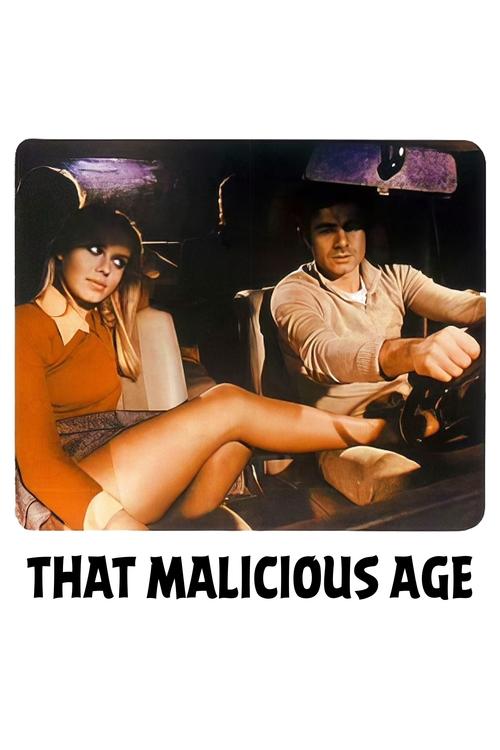
1975
No reviews yet. Be the first to share your thoughts on this movie!
Use the rating form above to leave a star rating and optional review.