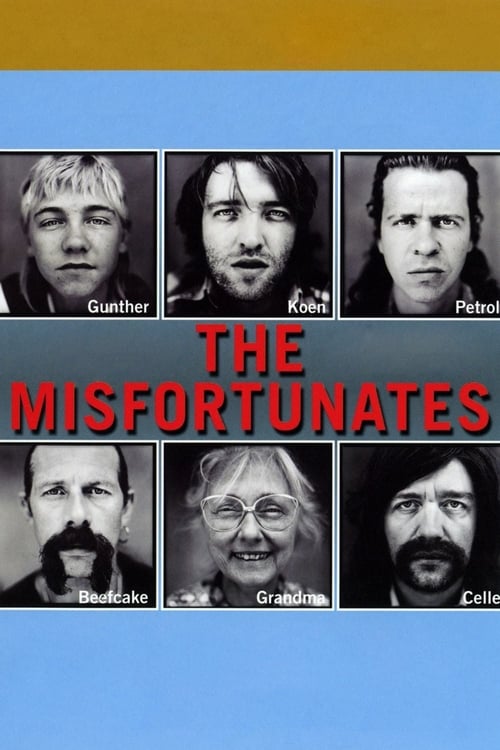
The Misfortunates
2009
No user ratings available yet
Representation score: 5.0 out of 10

Representation Score
Limited
2007
Director
Robert Lillhonga
Runtime
83 minutes
Average Rating
No ratings yetNew Showbiz Analysis
Hating Gothenburg primarily functions as a localized character study centered on teenage males. Its strength lies in introducing a counter-cultural character to challenge traditional norms. However, the film remains largely grounded in conventional demographic frameworks, lacking explicit markers of diversity for LGBTQ+ or disabled characters. It focuses on exploring social friction and alienation within a specific Swedish regional context.
Category Breakdown
The film does not include any explicitly LGBTQ+ characters or representations of non-straight relationships. The focus is on a male-dominated group, which suggests a traditional social structure.
The story centers around a male-dominated social circle. While a hippie-like cousin introduces non-conformist traits, the main roles remain focused on the male characters.
Set in southern Sweden, the film highlights regional homogeneity. The gloomy atmosphere explores social alienation and conflicts within the local community.
The film challenges social structures by introducing a counter-cultural character who disrupts idealized views of youth and helps deconstruct existing norms.
There are no characters with visible or invisible disabilities in the narrative.
Present on Screen
Limited or Absent
Official Synopsis
The gloomy, hate-filled lives of a group of teenage guys in the south of Sweden suddenly turn around when one of the guys' hippie-like cousin shows up.
2009
2008
2017

1997
2004
2008
2006

2011
No reviews yet. Be the first to share your thoughts on this movie!
Use the rating form above to leave a star rating and optional review.