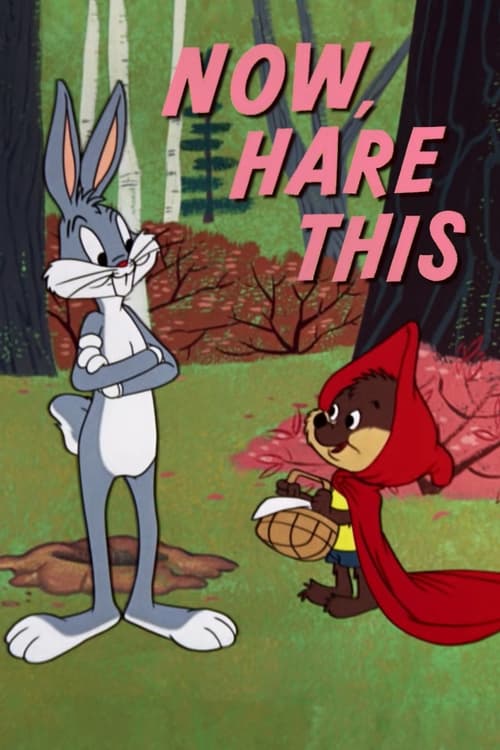
Now, Hare This
1958
No user ratings available yet
Representation score: 1.0 out of 10
Representation Score
Minimal
1952
ApprovedDirector
Robert McKimson
Runtime
7 minutes
Average Rating
No ratings yetNew Showbiz Analysis
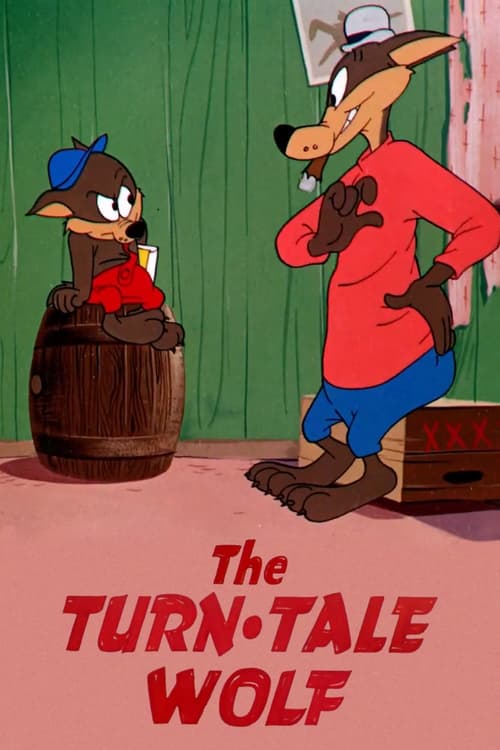
The Turn-Tale Wolf is a standard mid-century comedic short that prioritizes slapstick and fable-based archetypes over social or cultural exploration. The narrative architecture is built on traditional clichés that do not disrupt conventional expectations. Because the cast consists of anthropomorphic animals, the film exists in a racial and gender vacuum. It lacks female characters or any nuanced identity-driven storytelling, resulting in a very low diversity profile. Ultimately, the film functions as a product of its era, focusing on comedic timing and rhythmic humor rather than intentional characters who reflect more than one aspect of diversity.
Category Breakdown
The film focuses entirely on anthropomorphic animals within a traditional fable structure. There are no depictions of LGBTQ+ identities or same-sex relationships.
ability to act is distributed among animal characters, bypassing human gender hierarchies. However, the film lacks female characters or any meaningful subversion of gender roles.
The setting is a generic wilderness populated by anthropomorphic animals. The narrative operates within a homogeneous, fable-based reality without any multicultural blending.
The plot uses a character's attempt to reframe history as a comedic device. It relies on standard mid-century clichés rather than exploring systemic power or cultural critique.
There are no depictions of visible or invisible disabilities. Characters are defined by species and slapstick capacity rather than neurodivergence or physical impairment.
Present on Screen
Limited or Absent
Official Synopsis
The Big Bad Wolf's proper little nephew has learned at school that his uncle was the fiend who blew the Three Little Pigs' houses down and is ashamed that his uncle could have committed such a deed, so his uncle tells him what REALLY happened.
1958

2017
1941
2005
1949

1943
1937
2011
No reviews yet. Be the first to share your thoughts on this movie!
Use the rating form above to leave a star rating and optional review.