
Queen of Katwe
2016
No user ratings available yet
Representation score: 4.7 out of 10

Representation Score
Limited
2016
PG-13Director
Matt Brown
Runtime
108 minutes
Average Rating
No ratings yetNew Showbiz Analysis
The film presents a compelling post-colonial narrative that challenges the traditional 'Great Man' historical cliché. By focusing on Ramanujan's journey, it questions the dominance of Western academic traditions and acknowledges non-Western ways of knowing. However, the film's impact is constrained by its narrow demographic focus. The intellectual world is portrayed as an exclusively male space, and the absence of LGBTQ+ representation upholds a conventional social framework. Overall, the film effectively explores cultural friction, even though it remains socially conservative in its gender and identity portrayals.
Category Breakdown
The film adheres to a strictly heterosexual and cisgender framework, with no representations of LGBTQ+ identities or same-sex relationships.
The narrative emphasizes male intellectual leadership, positioning female characters on the periphery and framing the academic struggle as a predominantly male domain.
The film highlights a Brahmin Hindu mathematician within a colonial-era Cambridge setting, providing substantial ability to act to a character of color while avoiding superficial exoticism.
The story delves into the tension between faith-based intuition and Western empirical methods, validating alternative cultural frameworks of knowledge against rigid academic structures.
Physical illness and mental exhaustion are depicted as biographical realities, but they do not serve as central disability narratives or primary plot devices.
Present on Screen
Limited or Absent
Official Synopsis
Growing up poor in Madras, India, Srinivasa Ramanujan Iyengar earns admittance to Cambridge University during WWI, where he becomes a pioneer in mathematical theories with the guidance of his professor, G.H. Hardy.
2016

2004

1997

2011

2007

1962
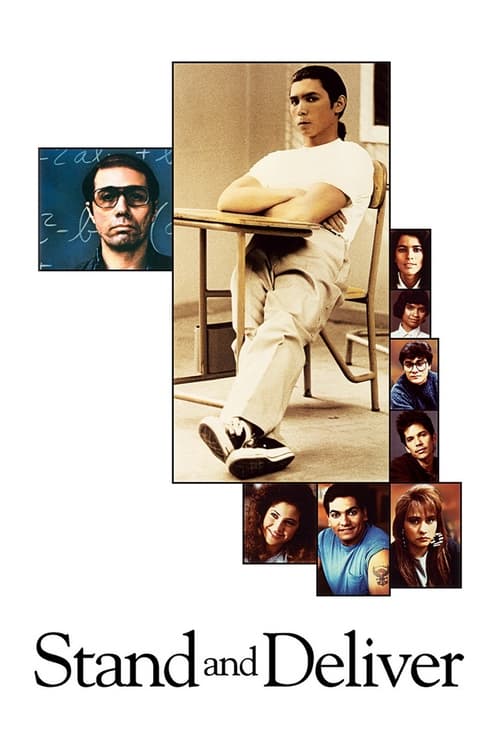
1988

2003
No reviews yet. Be the first to share your thoughts on this movie!
Use the rating form above to leave a star rating and optional review.