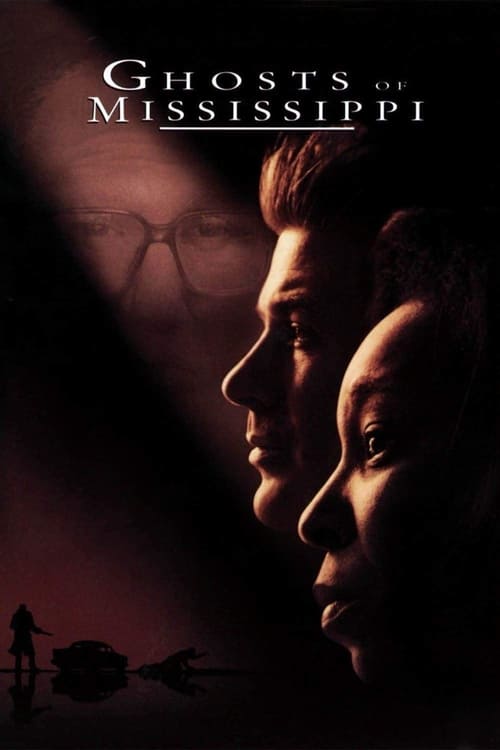
Ghosts of Mississippi
1996
No user ratings available yet
Representation score: 4.6 out of 10
Representation Score
Fair
2017
PG-13Director
Reginald Hudlin
Runtime
118 minutes
Average Rating
No ratings yetNew Showbiz Analysis
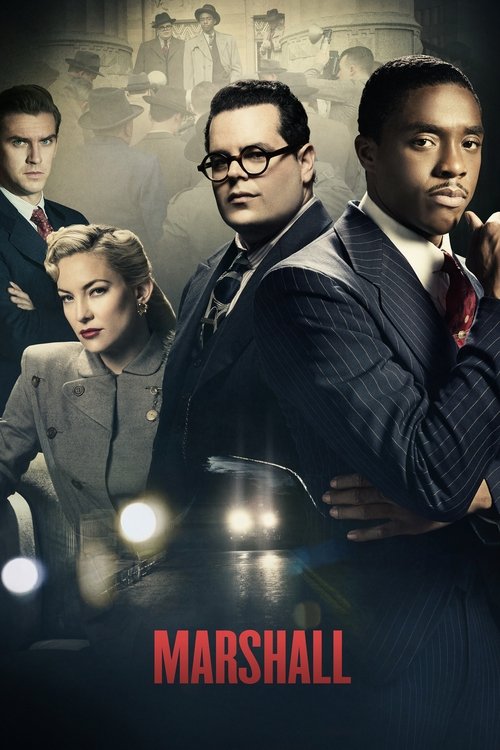
Marshall is a powerful historical drama that centers on the Black experience and intellectual leadership within a hostile, segregated legal system. The film effectively deconstructs the myth of institutional neutrality, showing how the law was used to maintain racial hierarchies. However, the film's scope is narrow, focusing primarily on racial and legal issues. It does not explore gender subversion or LGBTQ+ identities extensively. The film's commitment to portraying the moral and intellectual strength of its Black protagonists is profound, but it lacks breadth in other diversity categories.
Category Breakdown
The film focuses on the legal and social conflicts of the Civil Rights era and does not include any representation of LGBTQ+ identities or non-straight gender identities.
The movie centers on male-driven legal advocacy in the segregated South. While it avoids submissive female roles, it does not challenge traditional gender hierarchies.
The film highlights the Black experience and intellectual leadership in a historical context, critiquing white-dominated power structures through nuanced portrayals of characters of color.
The story provides a sophisticated critique of Southern legal and social structures, framing these institutions as tools of systemic oppression rather than neutral arbiters of justice.
There are no prominent depictions of visible or invisible disabilities that play a central role in the narrative.
Present on Screen
Limited or Absent
Official Synopsis
Thurgood Marshall, the first African-American Supreme Court Justice, battles through one of his career-defining cases.
1996
1990

2013

2018
2007
1987

2020
2007
No reviews yet. Be the first to share your thoughts on this movie!
Use the rating form above to leave a star rating and optional review.