
Diana
2013
No user ratings available yet
Representation score: 5.5 out of 10
Representation Score
Fair
2011
RDirector
Luc Besson
Runtime
132 minutes
Average Rating
No ratings yetNew Showbiz Analysis
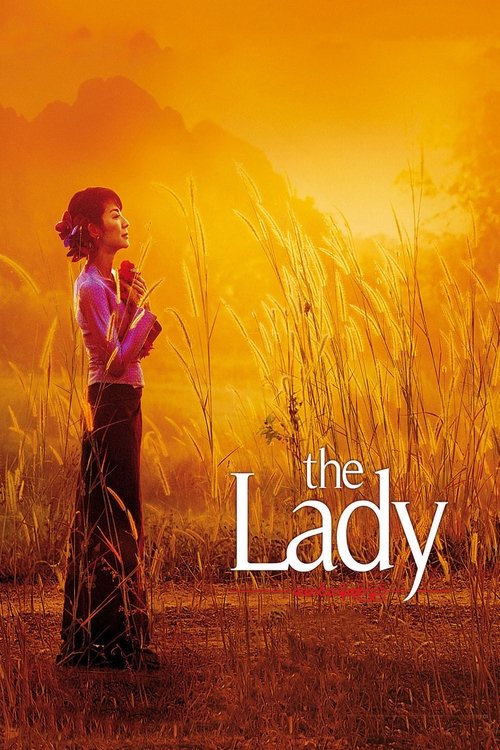
The Lady succeeds as a sophisticated biographical study that challenges conventional leadership narratives. By centering a woman of color as the primary agent of systemic change, it avoids typical Western-centric biographical structures. The film's strength lies in its subversion of traditional gender roles and its critical engagement with post-colonial power dynamics. It effectively frames the intersection of personal identity and state-level oppression. However, the narrative lacks engagement with LGBTQ+ or disability representation. The focus remains strictly on the heterosexual political and romantic partnership at the heart of the biography.
Category Breakdown
The film focuses on the heterosexual relationship between Aung San Suu Kyi and Michael Aris. There are no characters with non-traditional gender identities depicted.
The narrative challenges traditional gender roles by presenting Aung San Suu Kyi as the intellectual and political leader. She is shown as the primary driver of the movement rather than a passive domestic figure.
The film offers meaningful representation of Burmese identity and the struggle against systemic oppression. It prioritizes a non-Western perspective through the experiences of Southeast Asian protagonists.
Using a post-colonial lens, the film critiques oppressive Burmese political structures. It explores the personal costs of resistance and the necessity of disrupting a corrupt system.
There are no prominent depictions of visible or invisible disabilities that drive the narrative or serve as central character arcs.
Present on Screen
Limited or Absent
Official Synopsis
The story of Aung San Suu Kyi as she becomes the core of Burma's democracy movement, and her relationship with her husband, writer Michael Aris.
2013
1987
2016

1985

2007

2003
2011
1981
No reviews yet. Be the first to share your thoughts on this movie!
Use the rating form above to leave a star rating and optional review.