
Dark Cities
2002
No user ratings available yet
Diversity score: 6.0 out of 10
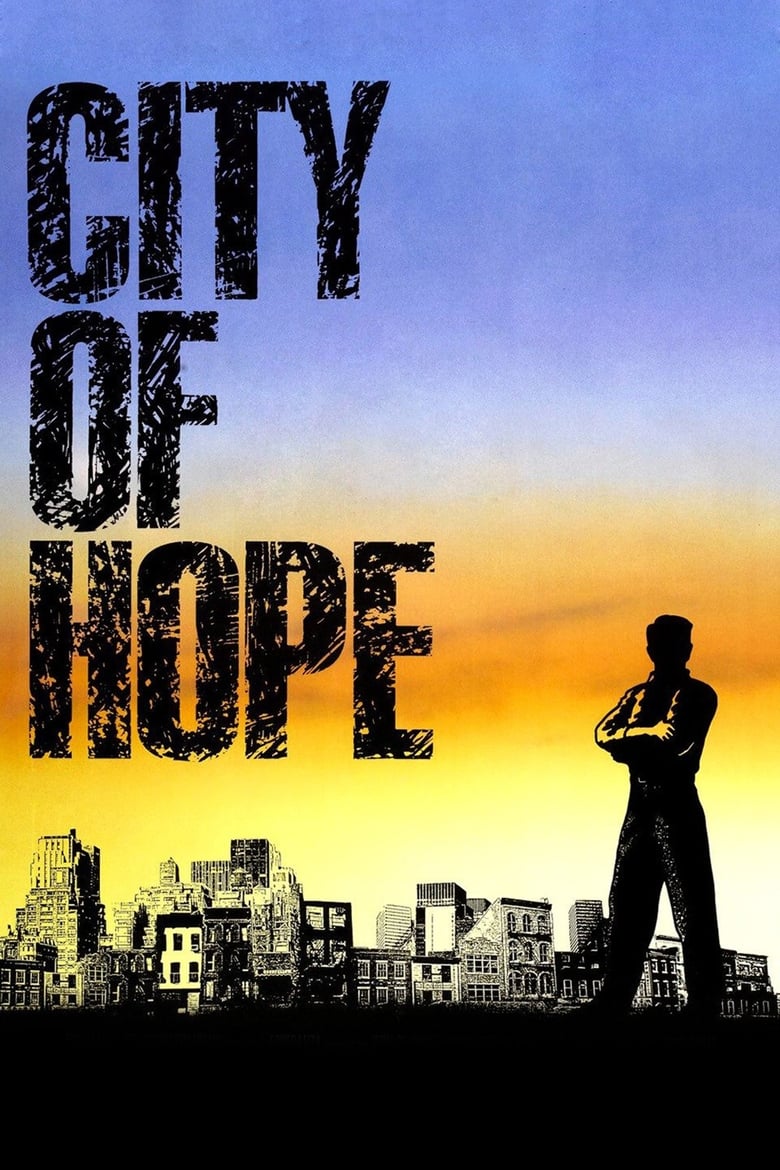
1991
Director
John Sayles
Runtime
129 minutes
Average Rating
No ratings yetSynopsis
This gritty inner-city film follows various people living in a troubled New Jersey setting, most notably Nick Rinaldi, a disillusioned contractor who has been helped along his whole life by his wealthy father. Other characters in this ensemble drama about urban conflict and corruption include Asteroid , an unstable homeless person, and Wynn, an idealistic young politician.
Overall Score
Good
Category Breakdown
LGBTQ+ Representation
The film focuses on socioeconomic and racial tensions of the 1930s. There is no explicit depiction of non-cisnormative identities or same-sex intimacy within the character arcs.
Gender Representation
Women are portrayed as essential participants in working-class survival. While they lack high-agency roles, they are situated within realistic domestic and economic pressures.
Racial & Ethnic Diversity
A multi-ethnic ensemble of Black, Mexican, Jewish, and White characters drives the plot. The film uses these identities to explore systemic friction and economic survival.
Religious & Cultural Diversity
The narrative offers a sophisticated critique of capitalism and established power structures. It centers on the struggles of the working class against exploitative economic systems.
Disability Representation
The character Asteroid represents mental health instability or neurodivergence. However, the role functions more as a symptom of a broken system than a fully realized agent.
Strengths
Areas for Improvement
AI Analysis
John Sayles delivers a gritty work of social realism that deconstructs the myth of the American Dream. The film excels by presenting a complex, intersectional view of the 1930s, using a multi-ethnic ensemble to highlight the friction between racial and class identities. The strength of the narrative lies in its systemic critique. Rather than focusing on individual heroics, it examines how impersonal economic forces and oppressive institutions impact communal hope and survival. However, the film's historical setting limits its scope regarding certain identities. While it provides a nuanced look at class and race, it lacks explicit LGBTQ+ representation and offers more limited agency to its female and neurodivergent characters.
2002

2001

2009

1980

1986

1980
1999

2012

1997
1999

1999
1970
No reviews yet. Be the first to share your thoughts on this movie!
Use the rating form above to leave a star rating and optional review.