Find another title
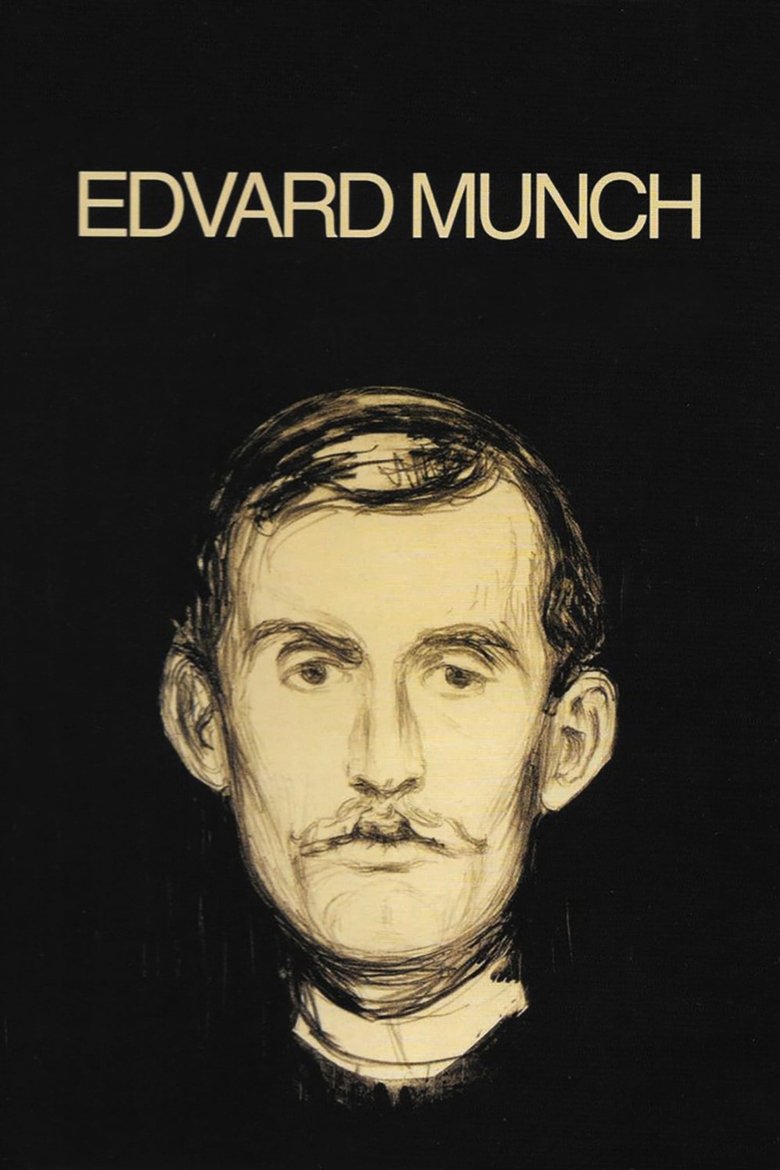
Edvard Munch
1974
Not RatedDirector
Peter Watkins
Runtime
174 minutes
Average Rating
No ratings yetSynopsis
Edvard Munch's childhood is overshadowed by death: he suffers the loss of his sister and mother, while enduring serious illness himself, almost dying. At university, Munch discovers his talent as a painter. As he immerses himself in the art world, he becomes part of a cultural revolution led by the likes of nihilist Hans Jæger.
Where to Watch
Diversity & Representation
Overall Score
Fair
Category Breakdown
LGBTQ+ Representation
The film centers on turbulent heterosexual relationships and domestic loss. It lacks explicit depictions of non-cisnormative identities or queer-coded narratives within its biographical framework.
Gender Representation
Women are depicted as complex agents driving the protagonist's emotional evolution rather than passive muses. The film explores the tension between male creative obsession and female lived experience.
Racial & Ethnic Diversity
The cast remains homogeneous, reflecting the demographic reality of late 19th-century Norway. The narrative focuses on internal psychological landscapes rather than racial or ethnic intersectionality.
Religious & Cultural Diversity
The film critiques bourgeois morality and restrictive social codes through Munch's immersion in radical circles. It portrays traditional family structures as sites of trauma rather than stability.
Disability Representation
Mental health and psychological fragility are integrated into the protagonist's artistic identity. The film avoids 'inspiration porn' by focusing on the authentic, painful reality of his condition.
Strengths
- Nuanced portrayal of women as complex agents rather than mere muses.
- Authentic and non-exploitative exploration of mental health and psychological fragility.
- Strong critique of bourgeois morality and restrictive 19th-century social institutions.
Areas for Improvement
- Lack of racial and ethnic intersectionality due to its homogeneous setting.
- Absence of LGBTQ+ representation or non-cisnormative narratives.
- Narrow focus on heteronormative interpersonal dynamics.
AI Analysis
Peter Watkins' biographical study avoids the sanitized tropes of traditional hagiography, opting instead for a raw deconstruction of the artist's psyche. It succeeds in portraying psychological distress and institutional critique with significant depth. However, the film is heavily constrained by its historical setting. The focus on 19th-century Norway results in a lack of racial diversity and a strictly heteronormative romantic landscape. Ultimately, the work is a study of individual alienation against societal structures, trading broad demographic representation for a concentrated, intense exploration of trauma and cultural rebellion.
Rate this Movie
Reviews
No reviews yet. Be the first to share your thoughts on this movie!
Use the rating form above to leave a star rating and optional review.