
Sibelius
2003
No user ratings available yet
Representation score: 1.2 out of 10
Representation Score
Limited
2019
Director
Pål Øie
Runtime
79 minutes
Average Rating
No ratings yetNew Showbiz Analysis
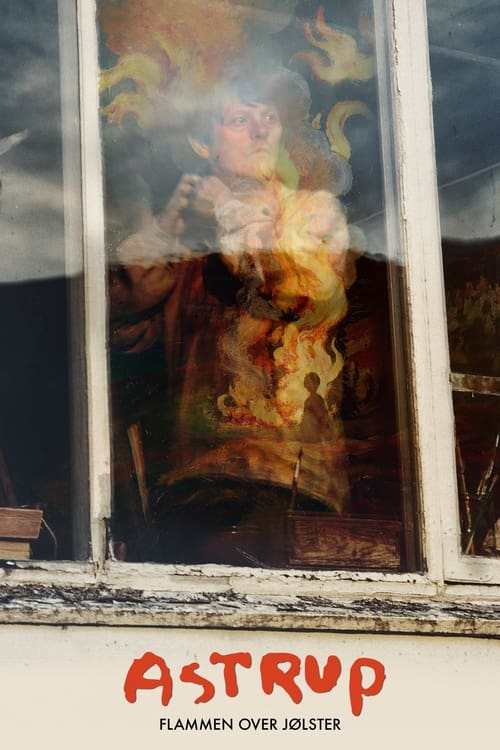
Catching the Flame is a traditional biographical documentary that emphasizes historical accuracy over contemporary identity issues. Its structure is shaped by the specific social realities of early 20th-century Norway, limiting characters who reflect more than one aspect of diversity. While the film successfully explores the interplay between individual artistic expression and the natural environment, it does not actively dismantle systemic power structures. The low diversity scores stem from the film's commitment to the historical setting's demographics. Ultimately, the work serves as a study of Nikolai Astrup's specific creative life rather than a platform for progressive social commentary.
Category Breakdown
The film focuses on Nikolai Astrup's life without showing any queer relationships or non-straight identities. It follows typical historical dramas where such themes are often missing.
The story centers around a male protagonist, sticking to traditional biographical formats. Women play roles in the domestic sphere of Astrup's life, but there is no indication of challenging gender hierarchies.
Set in early 20th-century Norway, the film reflects the homogeneous population of the Jølster region. The lack of diversity is due to historical accuracy rather than a lack of effort.
The story examines the tension between traditional rural life and the modern world. It shows an artist struggling with subjective morality and changing social norms.
There is no verified information about the depiction of physical or neurodivergent disabilities in this biographical narrative.
Present on Screen
Limited or Absent
Official Synopsis
This docudrama takes us on a journey through Nikolai Astrup's life and the inspiration behind some of his most famous paintings until his early death in 1928.
2003
2008
2011

2011
1974
2021
2019

2016
No reviews yet. Be the first to share your thoughts on this movie!
Use the rating form above to leave a star rating and optional review.