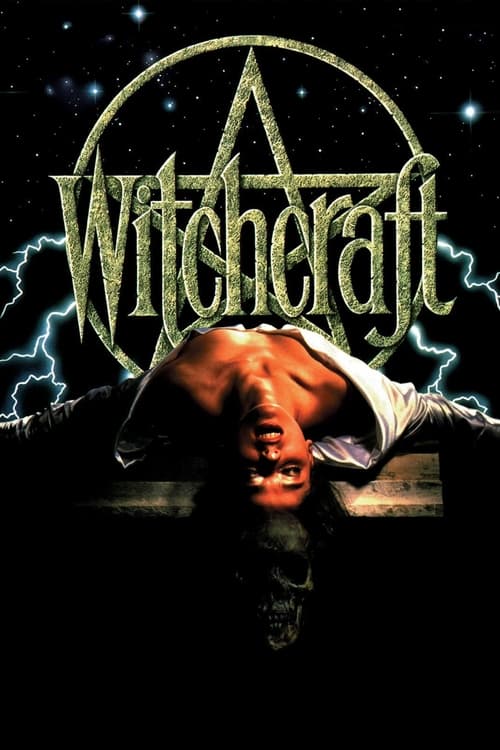
Witchcraft
1988
No user ratings available yet
Representation score: 1.5 out of 10
Representation Score
Minimal
1991
PG-13Director
Walt Hefner
Runtime
110 minutes
Average Rating
No ratings yetNew Showbiz Analysis
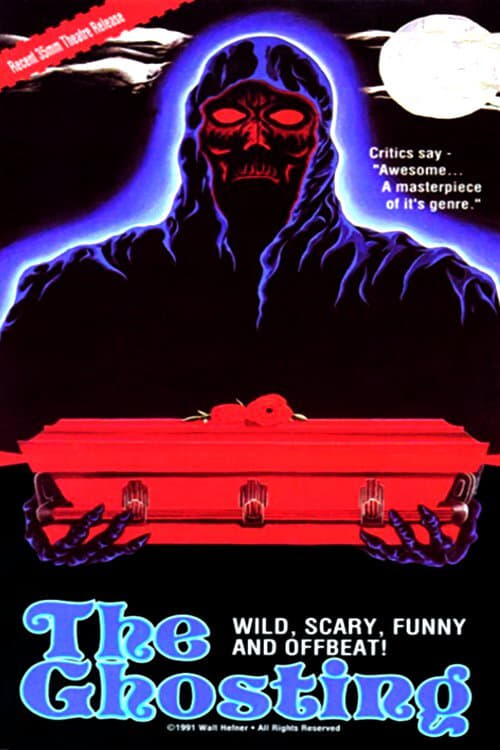
The Ghosting operates within the standard horror conventions of the early 1990s. It centers on a traditional nuclear family unit, which limits the scope of its social representation. While the female lead offers a slight departure from submissive domestic roles through her 'spunky' persona, the film largely reinforces existing social hierarchies. The reliance on religious clichés and traditional family structures keeps the narrative within a very narrow cultural lane. Ultimately, the film lacks the complexity required to disrupt or critique the status quo, opting instead for familiar, formulaic storytelling.
Category Breakdown
The film focuses on a traditional nuclear family. There is no evidence of LGBTQ+ identities or narratives that challenge the assumption that everyone is straight or cisgender.
A spunky working mother provides a sense of female empowerment. However, the husband's character remains tied to traditional patriarchal clichés and past trauma.
The narrative follows a conventional domestic horror framework. There is no explicit mention of racial blending or diverse casting within the family unit.
The story utilizes an abandoned church and 'evil from hell' clichés. This aligns with traditional Christian moral frameworks rather than offering a secular critique.
The synopsis provides no information regarding characters with visible or invisible disabilities. There is no indication of neurodivergent representation.
Present on Screen
Limited or Absent
Official Synopsis
A spunky working mom moves her husband - still stressed out from the Vietnam era - and their two children into an old abandoned church where they are tormented by an evil shape-shifting ghost from hell.
1988
1977
1991
1974

1983
1985
1981
1979
No reviews yet. Be the first to share your thoughts on this movie!
Use the rating form above to leave a star rating and optional review.