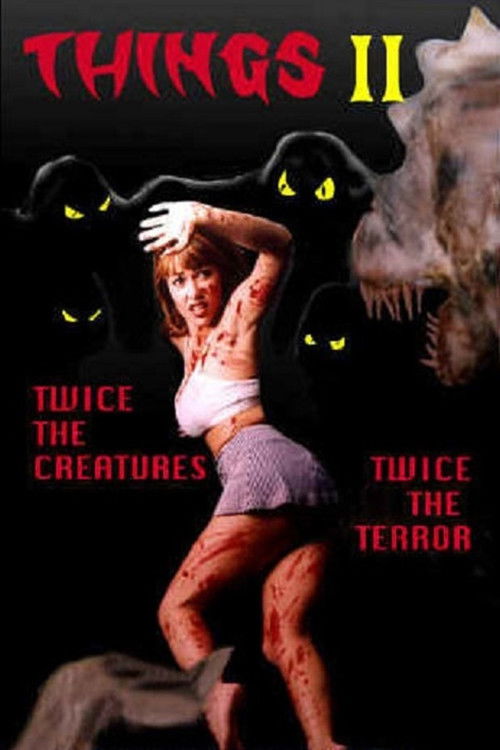
Things II
1998
No user ratings available yet
Representation score: 1.4 out of 10
Representation Score
Minimal
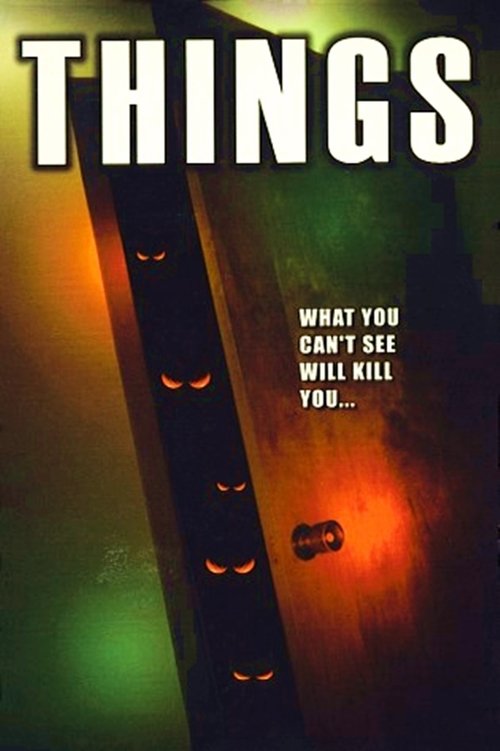
1993
Not RatedDirector
Dennis Devine, Jay Woelfel, Eugene James
Runtime
81 minutes
Average Rating
No ratings yetNew Showbiz Analysis
Things is a character-driven psychological horror film that prioritizes domestic conflict over social commentary. The narrative structure relies on traditional clichés of infidelity and psychological instability rather than exploring multiple aspects of identity. While the film grants the female protagonist a degree of ability to act through her control of the situation, it remains rooted in conventional gendered tensions. The lack of demographic breadth or systemic critique results in a narrow focus on interpersonal trauma. Ultimately, the film functions as a standard genre exercise, not attempting to challenge social hierarchies or provide representation for underrepresented identities.
Category Breakdown
The film centers on a domestic conflict involving a wife, husband, and mistress. It lacks representation of non-binary or LGBTQ+ identities and does not critique the assumption that everyone is straight or cisgender.
The protagonist exerts power through kidnapping and narrative control. However, the plot relies on betrayal within a traditional patriarchal marriage structure.
The synopsis provides no indication of a diverse cast or intentional race-bending. The work follows standard 1990s independent horror conventions.
The story focuses on interpersonal trauma and moralistic horror clichés. It lacks an explicit critique of Western institutions, religion, or capitalism.
There is no mention of characters with visible or invisible disabilities within the narrative context.
Present on Screen
Limited or Absent
Official Synopsis
A woman kidnaps her husband's mistress and tells the mistress two horror stories involving evil things.
1998
1975

1999

2000
1989
2007

2023
2006
No reviews yet. Be the first to share your thoughts on this movie!
Use the rating form above to leave a star rating and optional review.