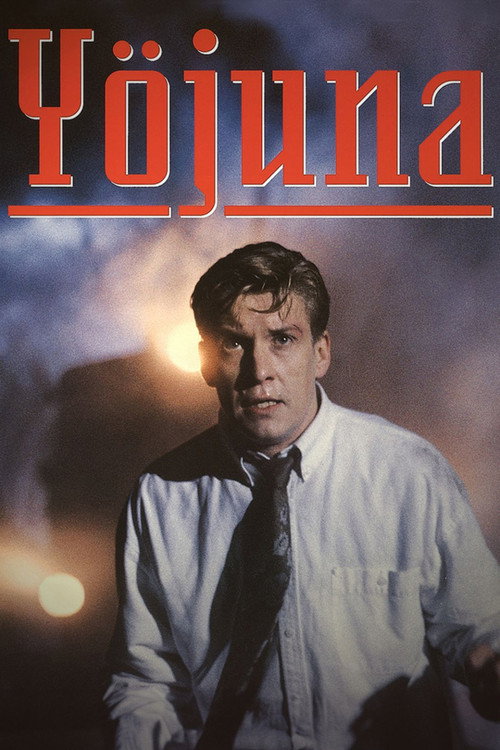
Yöjuna
1996
No user ratings available yet
Representation score: 2.2 out of 10
Representation Score
Limited
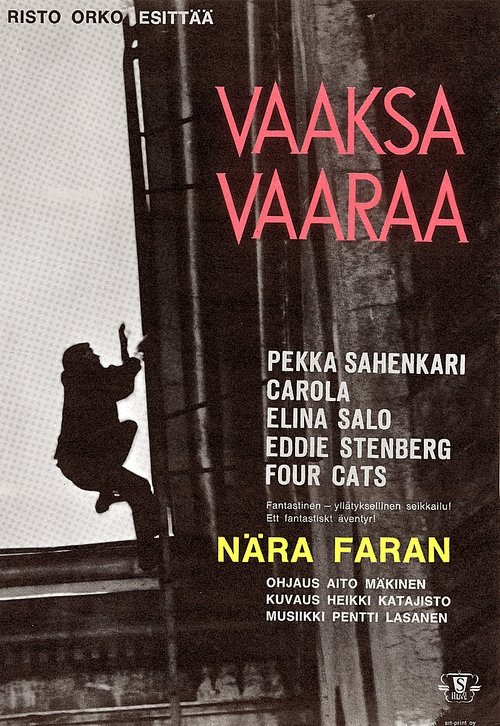
1965
K-12Director
Aito Mäkinen
Runtime
84 minutes
Average Rating
No ratings yetNew Showbiz Analysis
This 1965 Finnish thriller adheres to the demographic and social norms of its time, functioning as a standard genre piece. The narrative structure relies on traditional clichés, such as a male protagonist driving the plot through a mysterious event. The film lacks characters who reflect more than one aspect of diversity or institutional critique, presenting a localized, homogeneous social landscape typical of mid-century European filmmaking. Ultimately, the work reflects its historical context without disrupting established social hierarchies or providing diverse character perspectives.
Category Breakdown
The film lacks explicit LGBTQ+ characters or narratives. It follows the social norms of 1965 Finland, focusing on conventional interpersonal dynamics.
The story centers on a male technician, a common cliché for mid-century crime thrillers. There is no indication of challenging traditional gender roles.
The cast likely reflects the ethnically homogeneous demographic of the Nordic region in 1965. There is no evidence of non-white characters with significant roles.
The narrative operates within a traditional mid-century social order. It focuses on plot-driven tension without critiquing Western institutions or organized religion.
There is no specific evidence regarding the portrayal of disability or neurodivergence in this work.
Present on Screen
Limited or Absent
Official Synopsis
A technician working in the telephony company receives a mysterious packet.
1996
1958
1970

1979
1969

1962
1946
1960
No reviews yet. Be the first to share your thoughts on this movie!
Use the rating form above to leave a star rating and optional review.