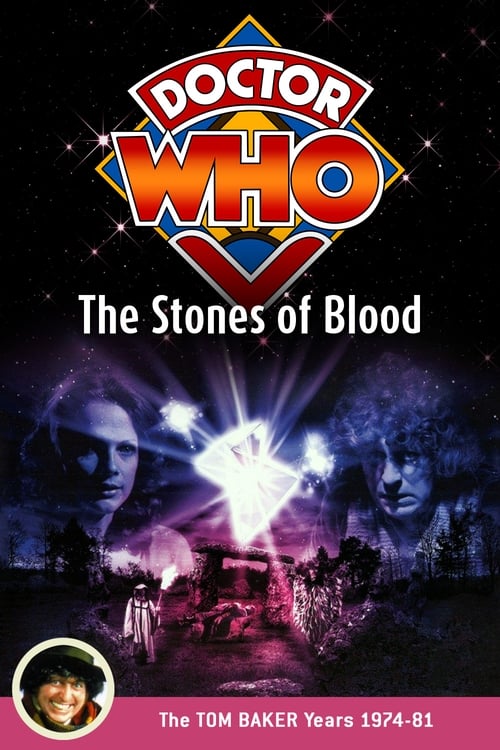
Doctor Who: The Stones of Blood
1978
No user ratings available yet
Representation score: 2.8 out of 10

Representation Score
Fair
1977
Director
George Spenton-Foster
Runtime
100 minutes
Average Rating
No ratings yetNew Showbiz Analysis
The Image of the Fendahl is a genre-driven science fiction film that prioritizes cosmic survival over social critique. Its primary progressive element is the subversion of gendered expectations through Leela's autonomy and combat skills. While the production reflects the era's homogeneity through a predominantly white cast and lack of LGBTQ+ representation, the inclusion of a non-Western character provides a necessary departure from the setting. The film remains a traditional adventure, focusing on external threats rather than multi-layered identity.
Category Breakdown
The story focuses on cosmic horror and does not include any LGBTQ+ characters. The interpersonal dynamics are limited to the friendship between the Doctor and Leela.
Leela challenges traditional gender roles by being a highly capable, combat-oriented woman. She disrupts the idea of male guardianship through her physical strength and autonomy.
The cast is predominantly white British, reflecting the era's limitations. However, Leela adds a non-Western, tribal element to the cast, providing a contrast to the otherwise homogeneous setting.
The narrative follows traditional adventure themes centered around scientific inquiry. It does not significantly address anti-religious or anti-capitalist sentiments and maintains a binary moral framework.
There is no representation of physical or neurodivergent disabilities in the main cast. Characters are defined primarily by their functional roles in the investigation.
Present on Screen
Limited or Absent
Official Synopsis
The present day: just as the Fourth Doctor and Leela arrive in Fetchborough, England, Professor Fendelman prepares to experiment on a fossilized skull which science says should not exist. The skull is actually an artefact of the Fendahl, a god-like being who feeds on the life force of others. It has begun to awaken and kill. Worse yet, others seek to exploit the Fendahl's dreadful power.
1978

2014

1975
1979
1978

1977
1977

1978
No reviews yet. Be the first to share your thoughts on this movie!
Use the rating form above to leave a star rating and optional review.