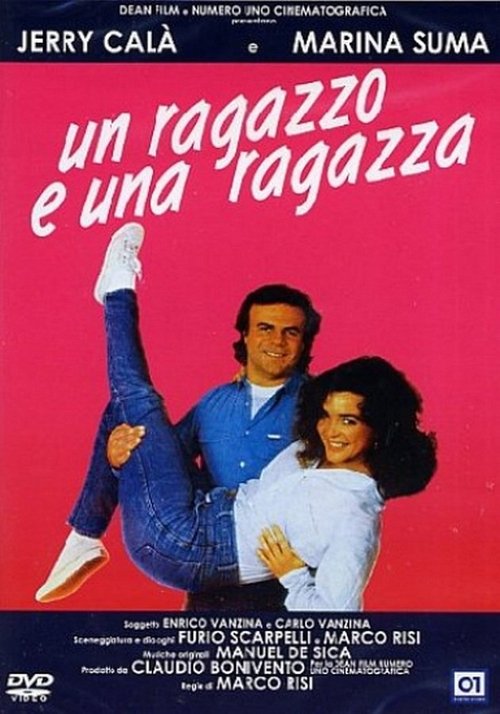
A Boy and a Girl
1984
No user ratings available yet
Representation score: 5.1 out of 10

Representation Score
Limited
1980
Director
Zoran Čalić
Runtime
93 minutes
Average Rating
No ratings yetNew Showbiz Analysis
The film operates as a localized romantic comedy that prioritizes character-driven social realism over progressive subversion. While it disrupts idealized family clichés by centering a conflict around pregnancy and familial discord, it lacks multi-layered complexity. The narrative focuses on the tension between individual ability to act and communal tradition. While it explores emotional autonomy, the characters are ultimately defined by their roles within established social and familial hierarchies.
Category Breakdown
The film follows traditional heterosexual relationships typical of its era. There are no same-sex relationships or non-binary gender identities.
Marija and Boba drive the emotional stakes through themes of reproductive choice and autonomy. However, characters remain tied to patriarchal social consequences and traditional family structures.
The film depicts a relatively homogeneous ethnic landscape consistent with its Yugoslavian setting. It maintains a traditional demographic focus without evidence of multi-ethnic ensembles.
The story explores the friction between individual romantic pursuits and rigid family expectations. It offers a subtle critique of how traditional family units pressure personal happiness.
There is no documented evidence regarding the portrayal of physical or neurodivergent disabilities within the narrative.
Present on Screen
Limited or Absent
Official Synopsis
Though the problem of Marija's pregnancy may be solved, her relationship with Boba causes a rift between the Pavlović and Todorović families.
1984
1988
1977

1976
1982
1978
1984
1981
No reviews yet. Be the first to share your thoughts on this movie!
Use the rating form above to leave a star rating and optional review.