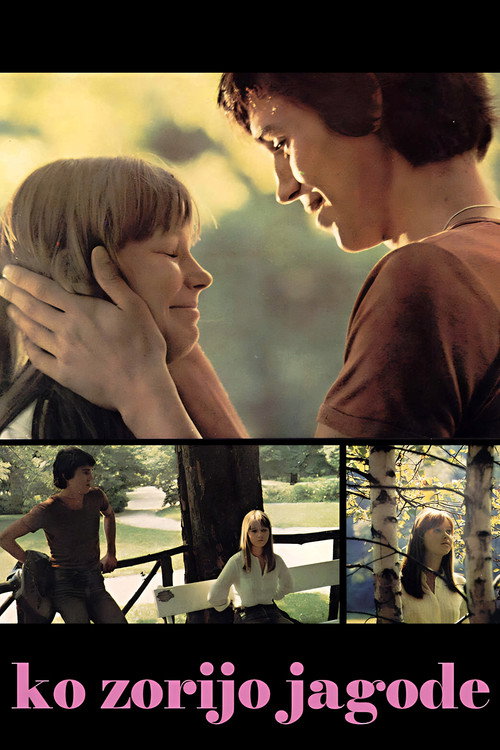
Strawberry Time
1978
No user ratings available yet
Representation score: 4.3 out of 10
Representation Score
Fair
1977
Director
Zoran Čalić
Runtime
83 minutes
Average Rating
No ratings yetNew Showbiz Analysis
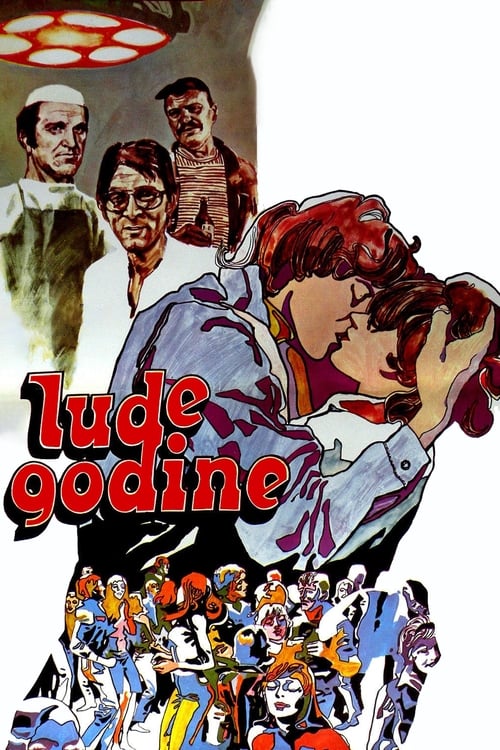
Foolish Years is a character-driven drama that delves into adolescent romance and the social consequences of unplanned pregnancy. It stands out by focusing on peer-group solidarity rather than traditional institutional or parental oversight. The film’s strength lies in its humanistic realism and its ability to challenge conventional moralizing clichés. By centering the narrative on communal problem-solving, it offers a nuanced look at social cohesion among youth. While the film provides a strong cultural critique of rigid family structures, it lacks specific information regarding LGBTQ+ identities or disability representation.
Category Breakdown
The story focuses on a heterosexual relationship between Marija and Boba. There are no clear representations of LGBTQ+ identities or queer narratives.
Marija plays a central role, driving the emotional stakes through her pregnancy. The narrative emphasizes her active role and the social response to her situation, rather than portraying her as a passive character.
The film likely reflects the multi-ethnic reality of the former Yugoslavia. However, specific casting details are not available to confirm the diversity of ethnic representation.
The film challenges traditional moral frameworks by emphasizing peer-group ethics over religious or patriarchal influences. It highlights the youth collective as a key source of support and ability to act.
The provided information does not mention any depiction of physical or neurodivergent disabilities.
Present on Screen
Limited or Absent
Official Synopsis
Teenagers Marija and Boba fall in love. When Marija gets pregnant, Boba's friends come up with a plan to help the young couple out.
1978

1953

1960

1977

2004
1952

1982

1973
No reviews yet. Be the first to share your thoughts on this movie!
Use the rating form above to leave a star rating and optional review.