A Boy and a Girl
1984
No user ratings available yet
Representation score: 5.1 out of 10
Representation Score
Fair
1988
Director
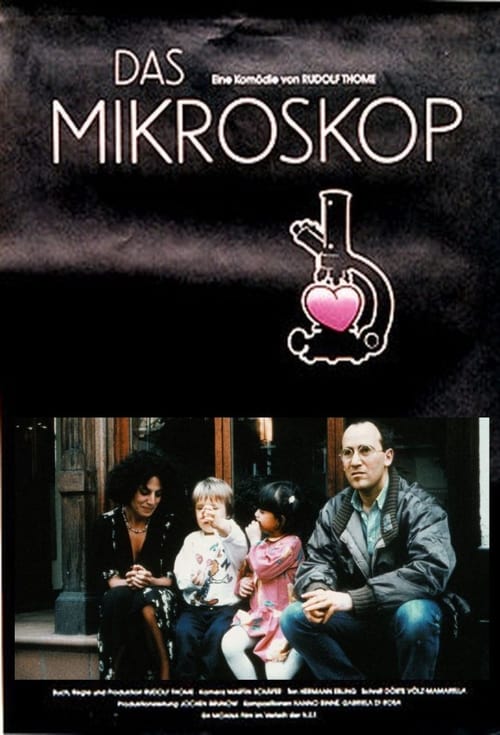
Rudolf Thome
Runtime
97 minutes
Average Rating
No ratings yetNew Showbiz Analysis
The film offers a sophisticated critique of domestic stability by breaking down traditional relationship hierarchies. It avoids romantic clichés, opting for a realistic exploration of individual ability to act and modern companionship. While the film lacks demographic diversity in terms of race and disability, it succeeds in its intellectual approach to social structures. It challenges the 'stable male leader' cliché by presenting masculinity through the lens of avoidance and scientific preoccupation. Ultimately, the work's progressive value lies in its refusal to present a sanitized version of partnership, focusing instead on the complexities of an unmarried couple navigating life's responsibilities.
Category Breakdown
The film focuses on an unmarried couple, which contrasts with the typical social norms of 1988. However, there is no clear indication of queer identities in the story.
The female protagonist drives the plot by taking control and expressing her desire for motherhood. The male lead is shown through intellectual escapism, challenging traditional ideas of masculine stability.
The film seems to be a localized European production. There is no evidence of a multi-ethnic cast or diverse racial representation in the main storyline.
The narrative emphasizes secular, intellectual pursuits over traditional family-building goals. It uses humor and irony to challenge idealized, institution-focused views of the family.
There is no mention of characters with visible or invisible disabilities in the provided material.
Present on Screen
Limited or Absent
Official Synopsis
The first film in Rudolf Thome's "Forms of Love" trilogy is the most incisive. It's a comedy-drame chronicling the ups and downs in the relationship of an unmarried couple (Adriana Altaras, Vladimir Weigl). When she tries to persuade him that they should have a child, he escapes the controversy by becoming preoccupied with his new aquarium and microscope. Their struggles to settle their differences and accept new responsibilities are presented intelligently, realistically and with low-key wit and irony.
1984

1970
2008

1980

1992
1989

1976

1990
No reviews yet. Be the first to share your thoughts on this movie!
Use the rating form above to leave a star rating and optional review.