Up Your Anchor
1985
No user ratings available yet
Representation score: 2.5 out of 10
Representation Score
Limited
1984
RDirector
Dan Wolman
Runtime
80 minutes
Average Rating
No ratings yetNew Showbiz Analysis
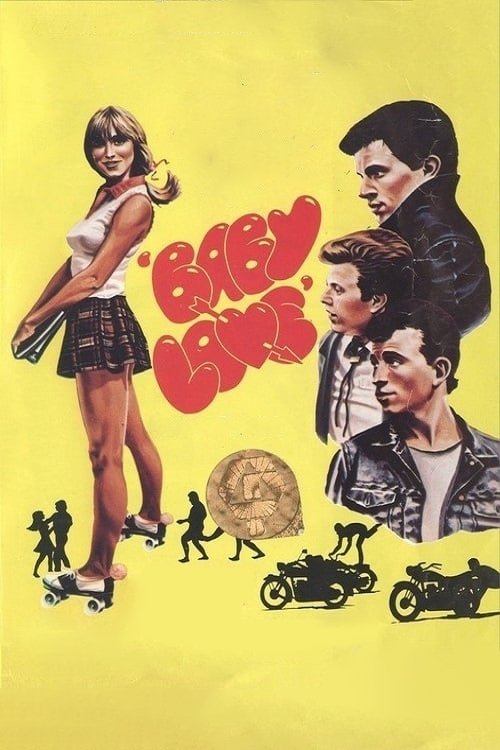
Baby Love operates as a conventional period-piece romantic comedy that prioritizes genre clichés over social subversion. The plot centers on interpersonal misunderstandings and romantic exploration within a 1950s setting. The film adheres to established narrative structures, such as the protective male archetype, rather than deconstructing systemic power dynamics. It focuses on traditional romantic tensions rather than diverse representation. Because the material lacks details on racial casting or disability, the film's ability to represent diverse lived experiences remains unverified and largely absent from the known plot.
Category Breakdown
The film focuses on heterosexual relationships between Benji and Bobby's sister. There is no evidence of characters who identify as LGBTQ+ or explore their sexual orientation.
The story relies on traditional gender clichés like the protective brother and the blossoming young woman. Power dynamics center on male-driven confrontations and conventional gender tensions.
The provided information does not specify the racial or ethnic composition of the cast. Consequently, the cultural backgrounds of the characters remain unknown.
Set in the 1950s, the film uses a nostalgic aesthetic and standard romantic-comedy structures. It does not appear to challenge traditional social or religious norms.
There is no mention of characters with visible or invisible disabilities. The narrative does not address neurodivergence or mental health conditions.
Present on Screen
Limited or Absent
Official Synopsis
Bobby, Benji, and Huey are back and Benji is smitten with Bobby's little sister, who has blossomed into a beautiful young woman. The two start dating in secret, but are soon discovered by Bobby, who wrongly assumes that Benji has taken advantage of his sister. A sad series of events proves Bobby wrong and he reaches Benji just in time as he sits at the top of a cliff. More sexual misadventures set against an amazing 50's soundtrack.
1985
1972

1988

1978
1985

1988
1984

1989
No reviews yet. Be the first to share your thoughts on this movie!
Use the rating form above to leave a star rating and optional review.