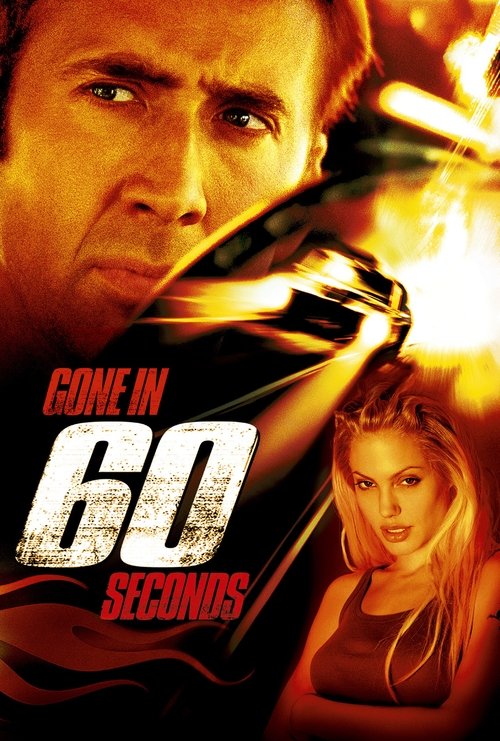
Gone in Sixty Seconds
2000
No user ratings available yet
Representation score: 1.3 out of 10
Representation Score
Minimal
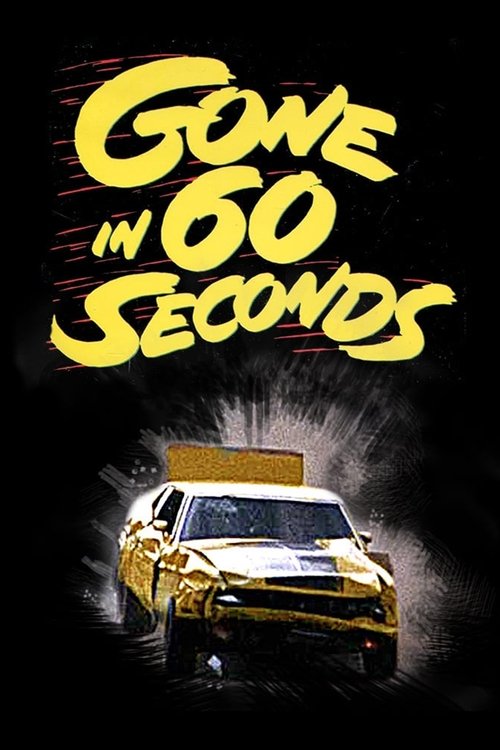
1974
PGDirector
H.B. Halicki
Runtime
105 minutes
Average Rating
No ratings yetNew Showbiz Analysis
Gone in 60 Seconds is a classic 1970s action film that emphasizes fast-paced action and car chases over social commentary. The story structure reinforces traditional gender roles and the mechanics of the heist. The film engages minimally with diverse social identities. While it uses certain ethnic clichés to establish antagonists, it does not intentionally challenge the demographic norms of the era. Overall, the film functions as a typical crime thriller where antisocial behavior drives the plot without delving into deeper social issues.
Category Breakdown
The film does not include any LGBTQ+ characters or non-cisgender identities. It follows the assumption that everyone is straight and cisgender, which was common in 1970s action movies.
The story is mainly driven by male characters involved in criminal activities and fast car chases. Female characters are less prominent and mostly serve as secondary figures rather than active participants.
The cast is primarily made up of white actors, following the usual practices of the time. A South American drug lord is portrayed using a traditional genre cliché rather than a detailed exploration of identity.
The story explores moral relativism through a protagonist who operates outside the law. It focuses on the outlaw archetype without providing a clear critique of systemic issues or capitalism.
There is no representation of disabilities, either visible or invisible, within the main cast. The film does not use neurodiversity or physical impairments as part of the narrative.
Present on Screen
Limited or Absent
Official Synopsis
Insurance investigator Maindrian Pace and his team lead double-lives as unstoppable car thieves. When a South American drug lord pays Pace to steal 48 cars for him, all but one, a 1973 Ford Mustang, are in the bag. As Pace prepares to rip-off the fastback, codenamed "Eleanor", in Long Beach, he is unaware that his boss has tipped off the police after a business dispute.
2000
1978
2003

1969
1983
1974
1968

1971
No reviews yet. Be the first to share your thoughts on this movie!
Use the rating form above to leave a star rating and optional review.