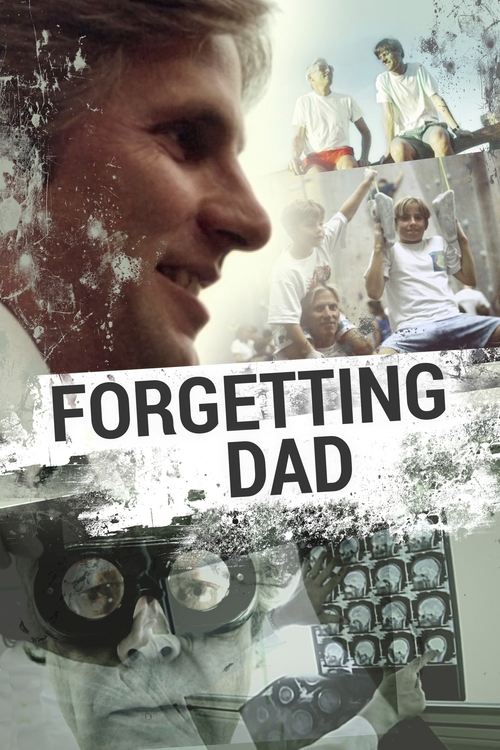
Forgetting Dad
2008
No user ratings available yet
Representation score: 7.0 out of 10
Representation Score
Good
1996
Director
Hirokazu Kore-eda
Runtime
84 minutes
Average Rating
No ratings yetNew Showbiz Analysis
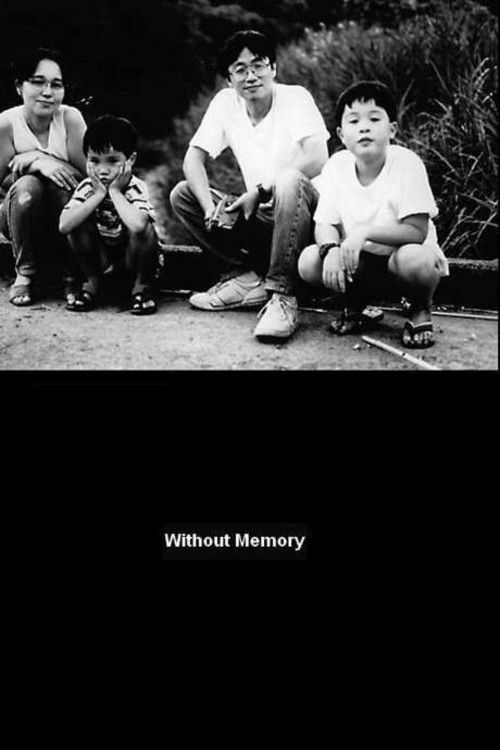
Hirokazu Kore-eda’s documentary is a profound study of a family facing the consequences of medical malpractice. It excels by treating cognitive impairment with great dignity, moving beyond simple sentimentality to explore systemic failures related to Wernicke's Encephalopathy. While the film lacks explicit markers of LGBTQ+ identities or racial diversity, it finds depth in the shifting power dynamics of a household in crisis. The narrative prioritizes the subjective truth of individuals over rigid institutional frameworks. Ultimately, the work's strength lies in its humanizing portrayal of disability and its sophisticated critique of institutional efficacy, making it a powerful piece of documentary realism.
Category Breakdown
The film centers on a traditional domestic unit. Though it doesn't include explicit LGBTQ stories, the theme of fragmented identity allows for diverse interpretations of self.
The traditional household roles shift when the patriarch loses cognitive control. Managing the family and medical bureaucracy falls on others, disrupting the usual household hierarchy.
Set in a Japanese context, the film presents a culturally uniform environment. It focuses on universal human experiences rather than multi-ethnic diversity.
The narrative critiques institutional authority by prioritizing the family's lived experience over clinical realities. It highlights the fallibility of medical systems and systemic structures.
The film offers a dignified, unvarnished look at neurodivergence and memory loss. It avoids clichés by focusing on the harsh reality of the condition and systemic failures.
Present on Screen
Limited or Absent
Official Synopsis
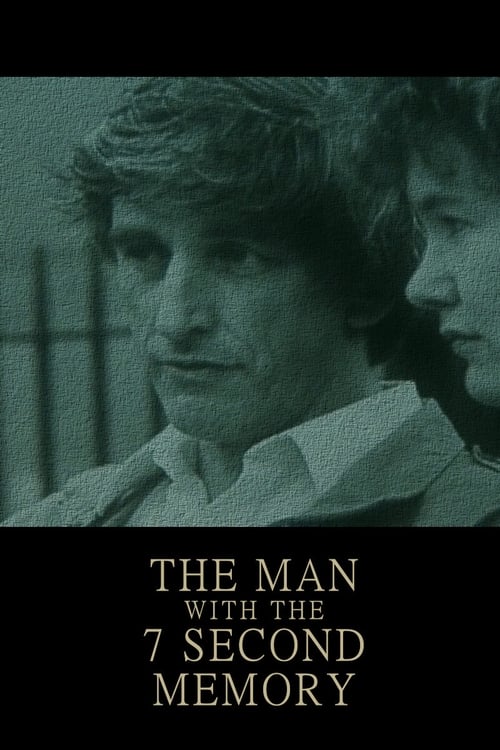
A father loses his short-term memory as a result of a botched medical procedure, which causes him to develop Wernicke's Encephalopathy. Kore-eda chronicles his family’s fight to receive proper treatment and benefits from this devastating malpractice.
2008

2011

2012
2016

2020

2005
2014
2005
No reviews yet. Be the first to share your thoughts on this movie!
Use the rating form above to leave a star rating and optional review.